










Pain during or after sex is far more common than most conversations let on, affecting a large share of women at some point in their lives, yet it is one of the most under-reported symptoms in gynaecology because so many women assume it is either normal or too embarrassing to bring up. Neither is true. Pain after sex, medically called dyspareunia, almost always has an identifiable cause, and most causes are genuinely treatable.
This guide walks through the most common reasons sex might hurt afterward, how to tell them apart, and what actually helps.
What Counts as Pain After Sex?
Pain after sex can show up in different ways — a burning sensation, deep cramping, soreness at the vaginal opening, or aching in the lower abdomen or pelvis that persists for minutes or hours afterward. It can happen every time, occasionally, or only in specific situations, and the pattern itself is a useful clue toward the underlying cause.
Common Causes of Pain After Sex
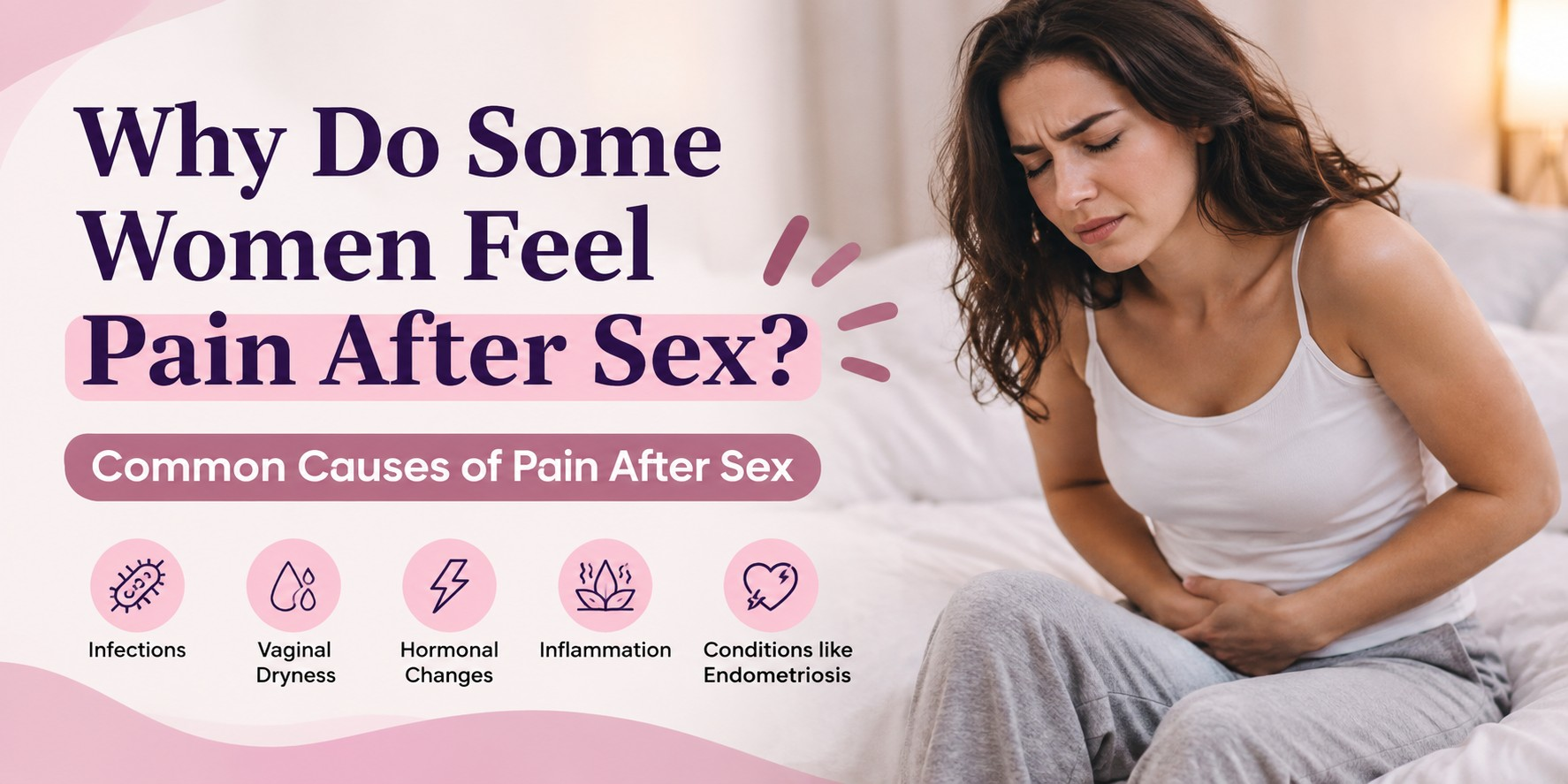
- Vaginal dryness, from insufficient arousal, menopause, breastfeeding, or certain medications
- Infections, including yeast infections, bacterial vaginosis and urinary tract infections
- Vaginismus, an involuntary tightening of pelvic floor muscles that makes penetration painful
- Endometriosis and pelvic conditions, which can cause deep pain during or after sex
- Menopause-related tissue changes, which thin and dry vaginal tissue over time
- Scar tissue, from childbirth, surgery or an episiotomy
- Insufficient lubrication or arousal time, simply from rushing into penetration
Vaginal Dryness
Dryness is one of the most common and most fixable causes of pain after sex, whether it comes from insufficient arousal time, hormonal changes, certain medications, or breastfeeding. Friction against insufficiently lubricated tissue can cause small tears or irritation that continue to sting or burn well after sex has ended. A water-based lubricant used during sex, and a regular vaginal moisturiser such as Vaginal Moisturizing Gel for Intimate Care used between sexual activity, both help meaningfully.
Infections
Yeast infections, bacterial vaginosis and UTIs can all cause pain, burning or discomfort that shows up or worsens after sex, sometimes alongside discharge, odour or itching. We cover this in detail in Why Do Some Women Get Vaginal Infections After Sex?, including how to tell these apart and which treatments genuinely help each one. Using the wrong treatment for the wrong infection is one of the most common reasons pain and discomfort keep recurring.
Vaginismus and Pelvic Floor Tension
Vaginismus is an involuntary tightening of the pelvic floor muscles around the vaginal opening, which can make penetration painful or even impossible, and the resulting muscle tension can leave residual soreness afterward even when penetration was achieved. It is often linked to anxiety, past painful experiences, or a learned protective response, and it responds well to pelvic floor physiotherapy and, in some cases, guided vaginal dilator therapy.
Endometriosis and Deep Pelvic Pain
Deep pain during or after sex, particularly pain that feels internal rather than at the vaginal opening, can be a sign of endometriosis, a condition where tissue similar to the uterine lining grows outside the uterus. This pain often comes with other symptoms like heavy or painful periods, and it needs proper gynaecological evaluation rather than being treated as a simple lubrication issue, since the underlying cause is structural, not just physical friction.
Menopause-Related Changes
Declining oestrogen during and after menopause thins and dries vaginal tissue, a major contributor to pain during and after sex in this life stage. We cover this in more depth in How Menopause Can Affect Intimacy and Sexual Pleasure, including the full range of treatment options from moisturisers through to hormone therapy.
Psychological and Emotional Factors
Anxiety, past trauma, relationship stress, and even simple fear of pain itself can contribute to physical tension that causes or worsens pain during and after sex, sometimes independent of any physical condition. This does not mean the pain is “not real” — muscle tension caused by anxiety produces genuine physical pain — but it does mean that addressing the psychological component, sometimes with a sex therapist or counsellor, can be an essential part of treatment alongside any physical cause.
How Doctors Diagnose the Cause
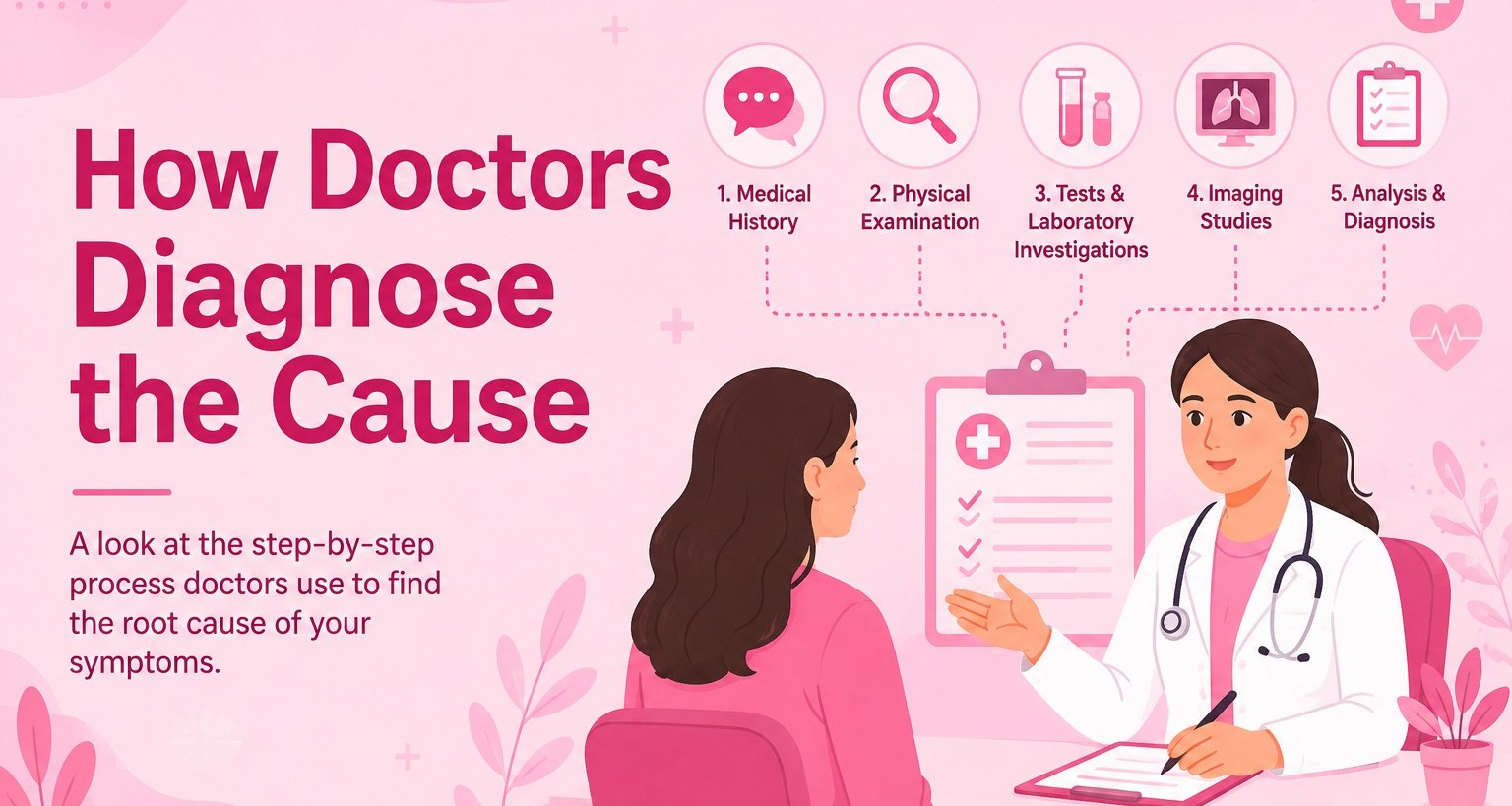
Diagnosis usually starts with a detailed history — when the pain started, where exactly it is felt, whether it happens every time or only in certain situations, and what else is going on alongside it. This is often followed by a pelvic exam, and sometimes swabs to check for infection, or imaging if a deeper condition like endometriosis is suspected. Being specific and honest about the exact location and pattern of pain significantly speeds up getting the right diagnosis.
Treatment Options
- Lubricants and vaginal moisturisers for dryness-related pain
- Targeted treatment for confirmed infections — antifungals, antibiotics, or vaginal suppositories depending on what is found
- Pelvic floor physiotherapy for vaginismus and muscle tension
- Hormone therapy for menopause-related tissue changes, discussed with your doctor
- Specialist referral for suspected endometriosis or other structural conditions
- Sex therapy or counselling where psychological factors are contributing
When to See a Doctor
Book an appointment if pain after sex is new, persistent, or worsening, if you notice bleeding, unusual discharge or fever alongside it, if penetration is consistently difficult or impossible, or if pain feels deep and internal rather than superficial. None of these should be managed by guessing — a proper diagnosis changes the treatment entirely.
Frequently Asked Questions
1. Is pain after sex normal?
Occasional mild discomfort from insufficient lubrication can happen to anyone, but persistent or recurring pain is not something to consider normal — it almost always has an identifiable, treatable cause and is worth discussing with a doctor.
2. Can stress alone cause pain after sex?
Yes. Stress and anxiety can cause involuntary pelvic floor muscle tension, which produces genuine physical pain during and after sex, even without any infection or structural condition present.
3. How do I know if it’s an infection or something else?
Infections usually come with additional signs like unusual discharge, odour, itching or burning during urination. Pain without these signs, especially deep internal pain, is more likely related to muscle tension, endometriosis, or dryness, though a proper exam is the only reliable way to know.
4. Can pain after sex be a sign of an STI?
Yes, some sexually transmitted infections can cause pain, so if you have a new partner or notice unusual symptoms alongside the pain, STI testing is a reasonable and important step.
5. Does using more lubricant always fix the pain?
Not always. Lubricant helps significantly with dryness-related pain, but it will not resolve pain caused by infection, vaginismus, or endometriosis, which is why identifying the actual cause matters more than just adding more lubricant and hoping.
6. Can childbirth cause long-term pain during sex?
Yes, scar tissue from childbirth, an episiotomy, or perineal tearing can cause ongoing pain during and after sex, sometimes for months or longer, and pelvic floor physiotherapy is often helpful for this specific cause.
7. Is it possible to have more than one cause at once?
Yes, and this is actually common — for example, menopausal dryness combined with resulting muscle tension from anticipating pain. This is one reason a proper evaluation is more useful than self-diagnosing a single cause.
8. Should I avoid sex entirely until the pain is diagnosed?
It is reasonable to avoid penetrative sex that causes significant pain while you seek diagnosis, since continuing to push through pain can worsen muscle tension and create a longer-term cycle of anxiety and discomfort.
9. Can birth control affect pain during sex?
Yes, some hormonal contraceptives can reduce natural lubrication in some women as a side effect, contributing to dryness-related discomfort. If you notice this after starting a new contraceptive, mention it to your prescriber.
10. Will this go away on its own?
It depends entirely on the cause — dryness-related discomfort may improve with lubricant alone, while infections, vaginismus and endometriosis generally need active treatment and do not reliably resolve without it.
Conclusion
Pain after sex is common, but it is not something to simply accept or work around indefinitely. Whether the cause is dryness, infection, muscle tension, a hormonal change, or something more structural like endometriosis, there is almost always an effective treatment once the actual cause is identified.
The single most useful thing you can do is stop assuming it will resolve on its own and get a proper evaluation — the diagnosis genuinely changes the treatment, and guessing wrong just prolongs the discomfort.
Browse women’s health treatments at PMC Herbals. Related reading: Vaginal Infections After Sex and Menopause and Intimacy.
Medical Disclaimer
This article is intended for general educational and informational purposes only. It is not medical advice, and it is not a substitute for consultation, diagnosis or treatment by a qualified healthcare professional.
Pain after sex can have several different causes requiring different treatments. Do not self-diagnose or self-treat persistent pain without a proper evaluation.
If you experience severe pain, bleeding, fever, or pain alongside a possible pregnancy, seek medical attention promptly.
PMC Herbals does not dispense prescription medicines without a valid prescription and does not accept liability for decisions made solely on the basis of this content.