










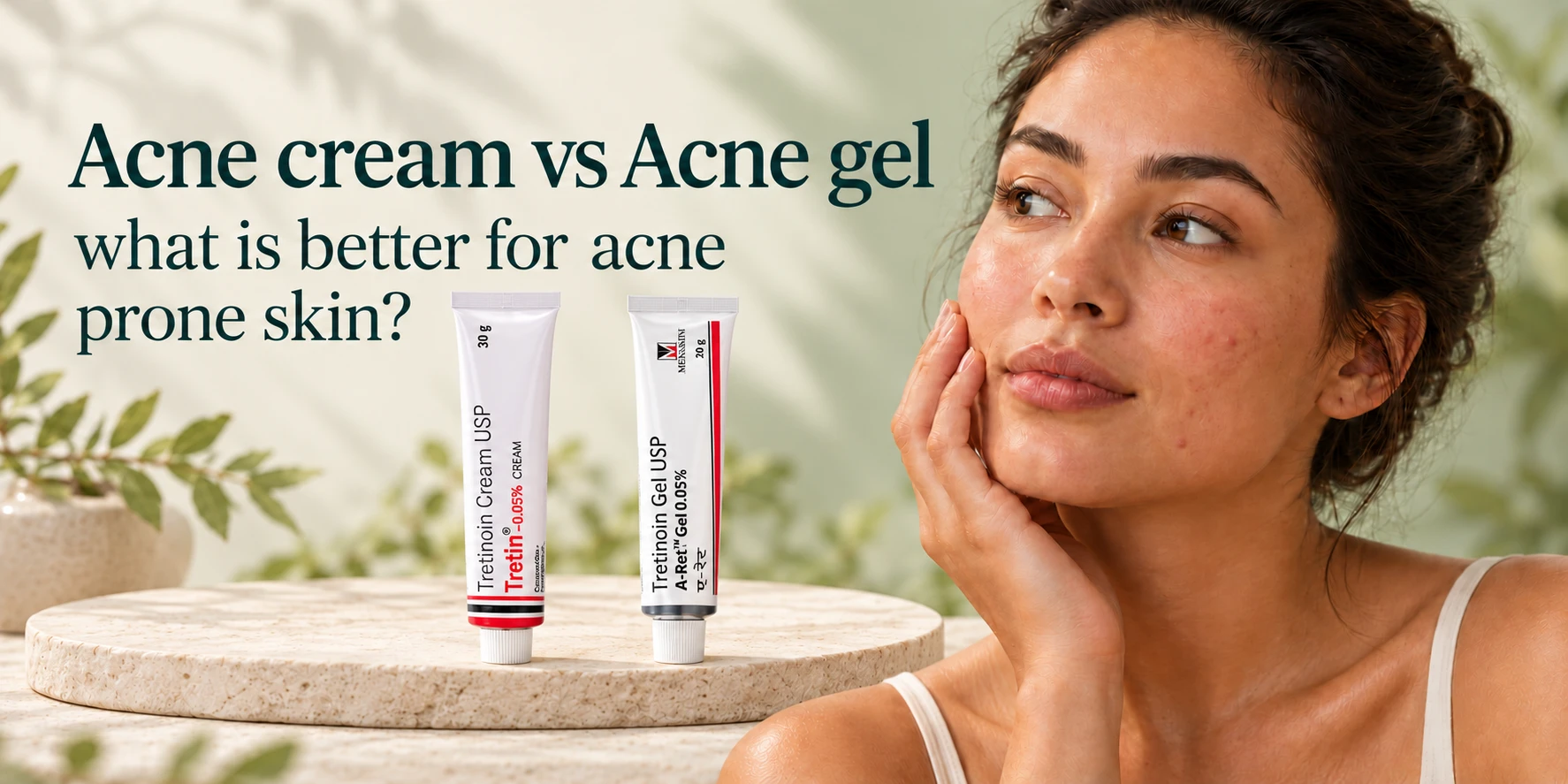
Acne treatments mostly come in two textures: creams and gels. Both can carry the same active ingredients, but how they feel on your skin and how fast they work can be quite different. Here’s how to pick the right one for your skin type.
What’s the Difference Between Acne Creams and Gels?
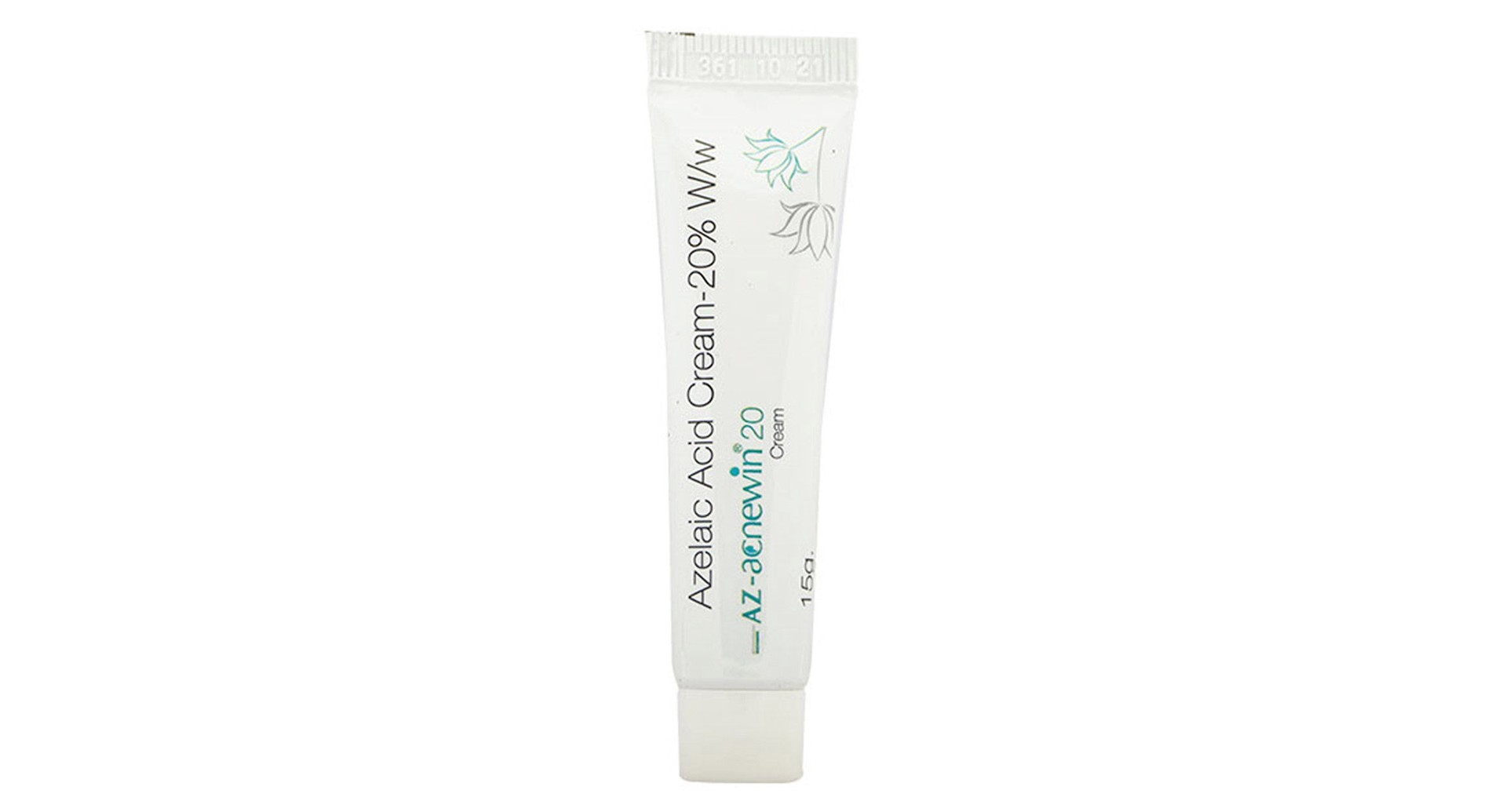
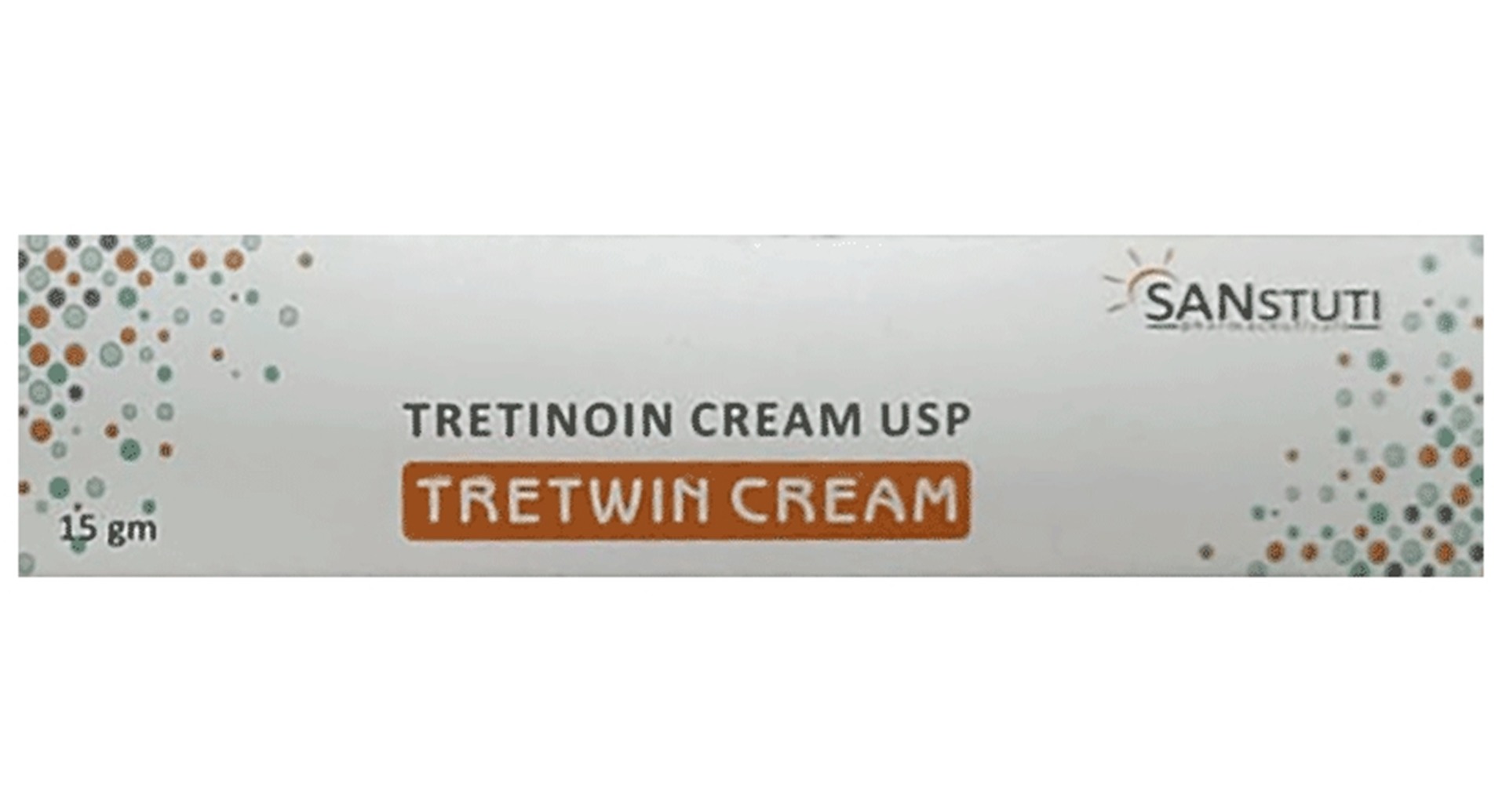
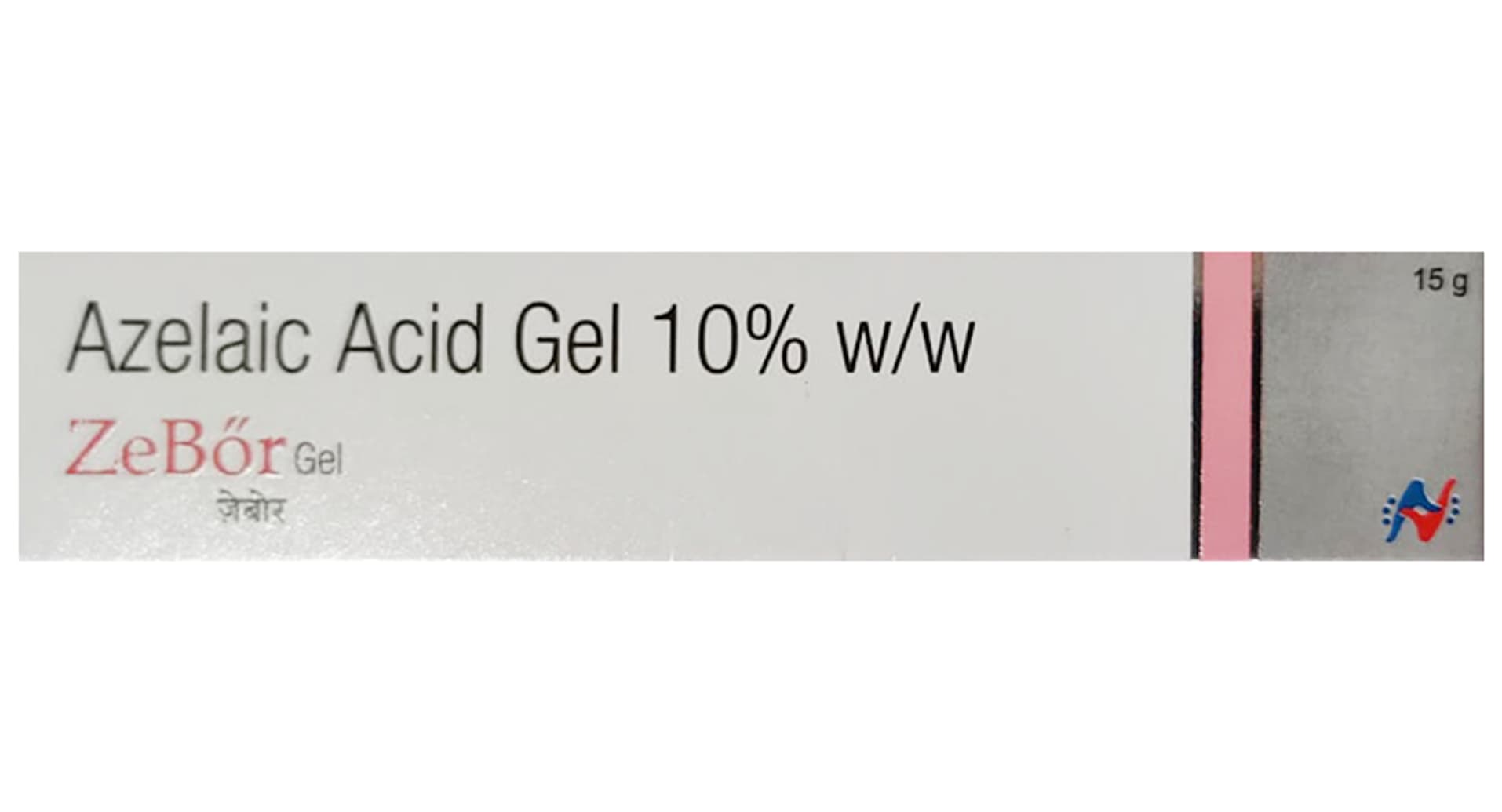
Both are applied to acne-prone skin, but a cream is oil-and-water based and sits on the skin as a thicker, moisturizing layer, while a gel is water-based, lighter, and dries down almost matte. The active ingredient — azelaic acid, adapalene, benzoyl peroxide, or tretinoin — can be formulated into either base, so the texture is really about comfort and skin type, not strength. Tretinoin creams also come in more than one strength, with Tretin 0.025% Cream as a gentler starting point and Tretin 0.05% Cream for skin that has already built up some tolerance.
Key Differences Between Acne Creams and Gels
- Feel on skin: Creams feel richer and more hydrating. Gels feel light and dry down fast without a greasy layer.
- Best for skin type: Creams suit dry or sensitive skin that needs extra moisture alongside treatment. Gels suit oily or acne-prone skin that doesn’t need added richness.
- Absorption speed: Gels absorb faster since they’re water-based, making them easier to layer under sunscreen or makeup.
How to Use Acne Creams and Gels Safely
Apply a thin, pea-sized amount to clean, dry skin once daily, usually at night, and always follow with sunscreen in the morning since most acne actives increase sun sensitivity. Start every new acne cream or gel at a lower frequency (every other night) for the first one to two weeks to let your skin adjust before using it daily — this is especially important with tretinoin, which is why most people start on the 0.025% strength before stepping up.


Which One Should You Choose?
- Choose a cream if your skin is dry, sensitive, or gets irritated easily from treatment.
- Choose a gel if your skin is oily, acne-prone, and prone to feeling greasy by midday.
- Both forms work equally well for clearing acne — the right pick is whichever one your skin tolerates and you’ll actually use every day.
Who Should Avoid Certain Formulas
Very dry or eczema-prone skin may find gels too drying and should lean toward a cream base instead. People with highly reactive or broken skin should avoid starting any new acne cream or gel without checking with a dermatologist first, since both textures can still cause irritation, peeling, or sun sensitivity.
Frequently Asked Questions
Can I switch between a cream and a gel version of the same ingredient?
Yes, since the active ingredient works the same way in both. Just reintroduce it gradually again if you’ve switched textures, as your skin may react differently to the new base.
Do gels work faster than creams for acne?
Not necessarily. Absorption is faster with gels, but how quickly acne actually clears depends on the active ingredient and consistency of use, not the texture.
Can I use a cream in the morning and a gel at night?
It’s best to stick with one acne treatment at a time unless a doctor has specifically recommended combining actives, since layering too many treatments can over-dry or irritate the skin.
Legal Disclaimer
This article is for general information only and is not a substitute for professional medical advice, diagnosis, or treatment. Always consult a qualified doctor or dermatologist before starting any new acne treatment.