










Menopause brings a lot of well-discussed symptoms — hot flushes, mood changes, sleep disruption — but one of the most common effects, changes in intimacy and sexual pleasure, is talked about far less, even though it affects the large majority of women going through this transition. If sex has started to feel different, less comfortable, or less appealing than it used to, you are not alone, and there is a clear physiological reason behind it.
This guide explains exactly how menopause affects intimacy, why it happens, and the range of treatments and approaches that genuinely help.
- What Happens to Your Body During Menopause?
- Why Menopause Affects Sexual Pleasure
- Vaginal Dryness and Discomfort
- Changes in Libido
- Emotional and Psychological Factors
- Impact on Orgasm and Sensation
- Treatment Options
- Communicating With Your Partner
- Lifestyle Changes That Help
- When to See a Doctor
- Frequently Asked Questions
- Conclusion
- Medical Disclaimer
What Happens to Your Body During Menopause?
Menopause is marked by a significant drop in oestrogen and progesterone production as the ovaries wind down. Oestrogen in particular plays a direct role in maintaining vaginal tissue health, blood flow to the genital area, and lubrication — so as levels fall, the physical experience of sex can change noticeably, independent of any change in attraction to your partner or interest in intimacy itself.
Why Menopause Affects Sexual Pleasure
The changes are largely physical, not simply psychological, which is an important distinction many women are not told clearly enough:
- Lower oestrogen thins and dries vaginal tissue, reducing natural lubrication and elasticity
- Reduced blood flow to the genital area can lessen sensation and slow arousal
- Pelvic floor changes, sometimes worsened by childbirth history, can affect sensation and comfort
- Sleep disruption and hot flushes indirectly reduce desire simply through fatigue and discomfort
- Mood changes, including higher rates of anxiety and low mood during this transition, can dampen interest in sex
Vaginal Dryness and Discomfort
Vaginal dryness is one of the most common and most treatable menopausal symptoms affecting intimacy. Thinning, less elastic vaginal tissue combined with reduced natural lubrication can make penetration uncomfortable or even painful, a condition sometimes called genitourinary syndrome of menopause. This is not something to push through — it responds well to treatment, and continuing to have uncomfortable or painful sex can create a cycle of anxiety that further reduces desire.
A vaginal moisturiser such as Vaginal Moisturizing Gel for Intimate Care, used regularly rather than only before sex, helps restore comfort, alongside a good water-based lubricant used specifically during intimacy.
Changes in Libido
Reduced desire during menopause has several contributing causes layered together — hormonal changes, physical discomfort during sex, poor sleep, mood changes, and sometimes relationship or life-stage factors happening at the same time. It is rarely just one single cause, which is why addressing only one factor, like just adding lubricant, does not always fully resolve reduced desire on its own.
Emotional and Psychological Factors
Menopause often coincides with significant life changes — children leaving home, career shifts, ageing parents, changes in self-image — that can affect intimacy independently of hormones. Body image changes during this transition are also common and can affect confidence and comfort with intimacy. Addressing these factors, sometimes with the help of a counsellor or sex therapist, is as legitimate a part of treatment as addressing the physical symptoms.
Impact on Orgasm and Sensation
Some women notice orgasms feel less intense or take longer to reach during and after menopause, related to reduced blood flow and nerve sensitivity in genital tissue. This is a real physiological change, not a sign that something is wrong with you or your relationship, and many women find that with adequate lubrication, more direct and sustained stimulation, and treating any underlying discomfort, satisfying orgasms remain very achievable.
Treatment Options
- Vaginal moisturisers and lubricants — the first-line, lowest-risk option for dryness and discomfort, used regularly rather than only during sex
- Local vaginal oestrogen — low-dose oestrogen applied directly to vaginal tissue, which restores thickness and lubrication with minimal systemic absorption, prescribed after a doctor’s assessment
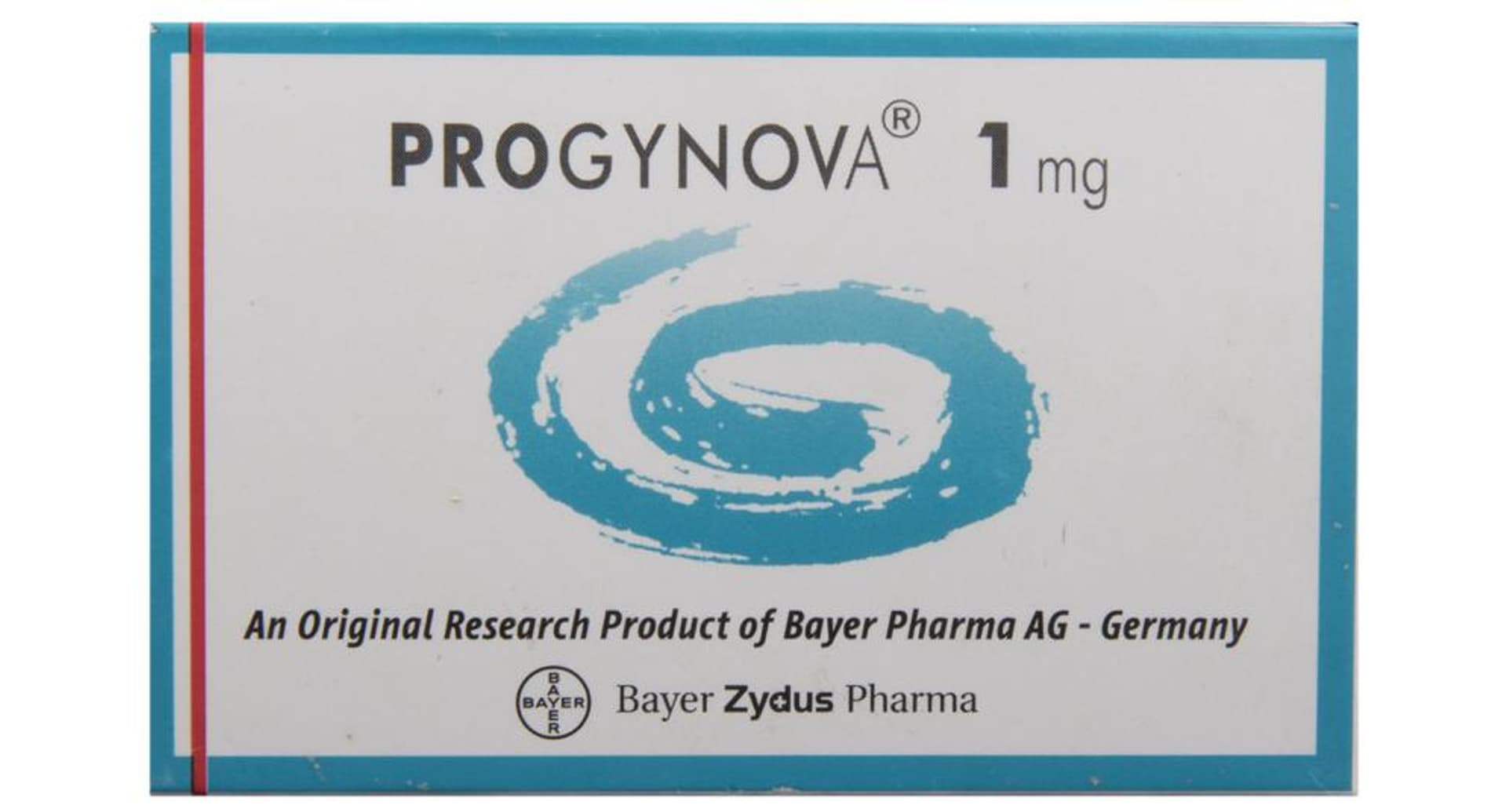
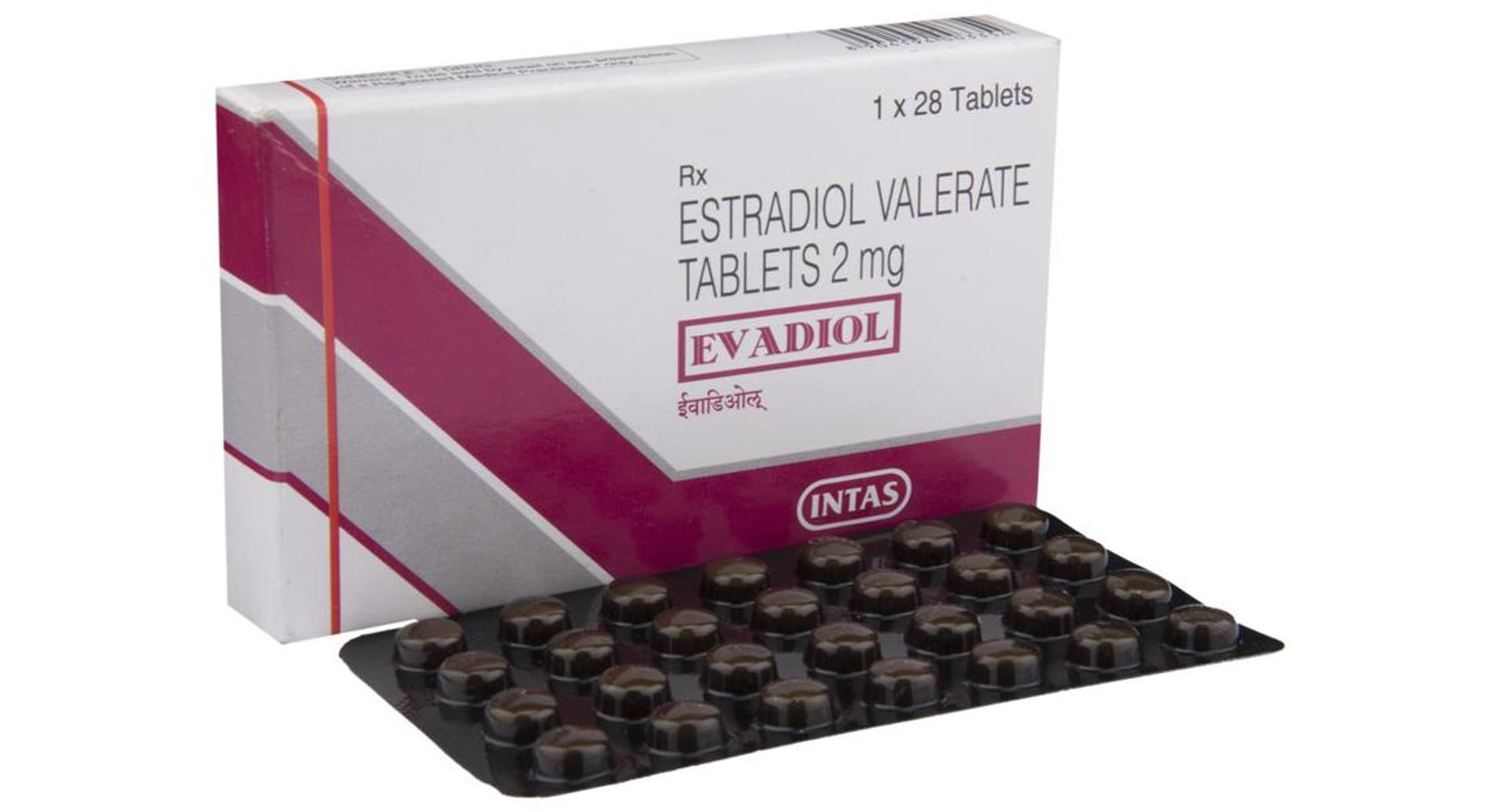
- Systemic hormone replacement therapy (HRT) — tablets such as Progynova 1 mg Tablet or Evadiol Tablet, which address multiple menopausal symptoms including vaginal changes, prescribed based on your full health picture
- Pelvic floor physiotherapy — helpful for some women experiencing pain or reduced sensation
- Sex therapy or counselling — addresses the psychological and relationship factors that often accompany the physical changes
Communicating With Your Partner
Many relationships struggle with this transition not because of the physical changes themselves, but because they go undiscussed. Partners often misread reduced desire or discomfort as rejection or loss of attraction, when it is usually a physical symptom with an available treatment. Bringing your partner into the conversation early, and treating it as a shared issue to solve together, tends to preserve intimacy far better than working through it in silence.
Lifestyle Changes That Help
- Prioritise extended foreplay, since arousal often takes longer to build during and after menopause
- Use lubricant liberally and without embarrassment — needing it is normal, not a failure
- Stay physically active, which supports blood flow, mood and sleep, all of which indirectly affect desire
- Manage hot flushes and sleep with your doctor’s guidance, since better rest meaningfully improves interest in intimacy
- Practise pelvic floor exercises, which can improve sensation and blood flow over time
- Give yourself time — adjusting to these changes is a process, not something to solve in one conversation or one product
When to See a Doctor
Book an appointment if vaginal dryness or discomfort is significantly affecting your quality of life, if sex has become consistently painful, if you notice bleeding after sex, or if low mood and reduced desire are persistent rather than occasional. A gynaecologist or menopause specialist can discuss the full range of options, from vaginal moisturisers through to hormone therapy, based on your individual health profile.
Frequently Asked Questions
1. Is it normal to lose interest in sex during menopause?
It is common, but not universal or inevitable. Reduced libido during menopause has identifiable causes — hormonal changes, physical discomfort, sleep disruption, mood changes — many of which respond well to treatment, so it is worth addressing rather than simply accepting as unavoidable.
2. Does vaginal dryness get better on its own?
Generally no, since it is driven by an ongoing hormonal change rather than a temporary condition. It usually needs ongoing management with moisturisers, lubricants, or in some cases local oestrogen treatment, rather than resolving spontaneously.
3. Is hormone therapy safe for everyone?
No. HRT carries individual risks and benefits depending on your personal and family medical history, including factors like history of certain cancers or blood clots. It requires a proper discussion with your doctor rather than being a universal recommendation.
4. Can I still have a satisfying sex life after menopause?
Yes, and many women report their sex life improves in some ways after menopause, once pregnancy concerns are gone and with the right adjustments for lubrication, communication and pacing. It often requires some active adaptation rather than assuming things will feel exactly as they did before.
5. Why does sex hurt now when it never used to?
This is usually related to thinning, less elastic vaginal tissue and reduced lubrication caused by declining oestrogen. It is a genuine physical change, not something to push through, and it responds well to moisturisers, lubricants or medical treatment.
6. Do lubricants and vaginal moisturisers do the same thing?
No. Lubricants are used at the time of sex to reduce friction, while vaginal moisturisers are used regularly, often every few days, to improve the tissue’s baseline hydration over time. Many women benefit from using both.
7. Can antidepressants make menopausal sexual changes worse?
Yes, some antidepressants, particularly SSRIs, can reduce libido and delay orgasm, which can compound menopausal changes. If you are on one and notice this, discuss options with your prescriber rather than stopping the medication on your own.
8. Does exercise really help with menopausal libido?
Yes, indirectly. Regular exercise improves blood flow, mood, sleep quality and body confidence, all of which are factors that influence sexual desire and satisfaction during menopause.
9. Will my libido come back after menopause fully settles?
For many women it does stabilise, sometimes even improve, once the fluctuating hormonal transition of perimenopause settles into the more stable post-menopausal state. Ongoing dryness, however, usually still needs active management since oestrogen levels remain low long-term.
10. Should my partner be involved in doctor’s appointments about this?
It can help, if you are both comfortable with it, since partners often better understand and support treatment when they hear the physical explanation directly rather than secondhand. It is entirely your choice, and appointments work well either way.
Conclusion
Menopause changes the physical experience of intimacy for most women, but it does not have to end a satisfying sex life. The changes are hormonal and physiological, not a reflection of attraction or relationship health, and they respond well to treatment — from simple moisturisers and lubricants through to hormone therapy for those who are good candidates.
The biggest barrier is usually silence rather than the symptoms themselves. Talking to your doctor, and to your partner, opens up options that staying quiet never will.
Browse women’s health treatments in the Women Health category at PMC Herbals. Prescription required for hormone therapy.
Medical Disclaimer
This article is intended for general educational and informational purposes only. It is not medical advice, and it is not a substitute for consultation, diagnosis or treatment by a qualified healthcare professional.
Hormone replacement therapy and vaginal estrogen treatments are prescription medicines with individual risks that depend on your personal and family medical history. Do not start any hormone therapy without a proper discussion with your doctor.
If you experience bleeding after sex, or pain that does not improve with basic measures, seek medical evaluation.
PMC Herbals does not dispense prescription medicines without a valid prescription and does not accept liability for decisions made solely on the basis of this content.