










Can Massage Increase Sexual Sensitivity and Awareness?
Touch is one of the most underrated tools in sexual wellness. Long before arousal becomes obviously physical, the body is already responding to pressure, warmth, and rhythm on the skin — and massage, done with intention, can meaningfully sharpen that response over time. This guide looks at the real physiology behind it, what the evidence actually supports, and how to use massage as part of a broader approach to intimacy and sensitivity.
This is general wellness information, not a medical treatment, and it does not replace evaluation for conditions like nerve damage, hormonal changes, or persistent low sensitivity, which need a doctor’s input.



How Touch and Arousal Are Connected
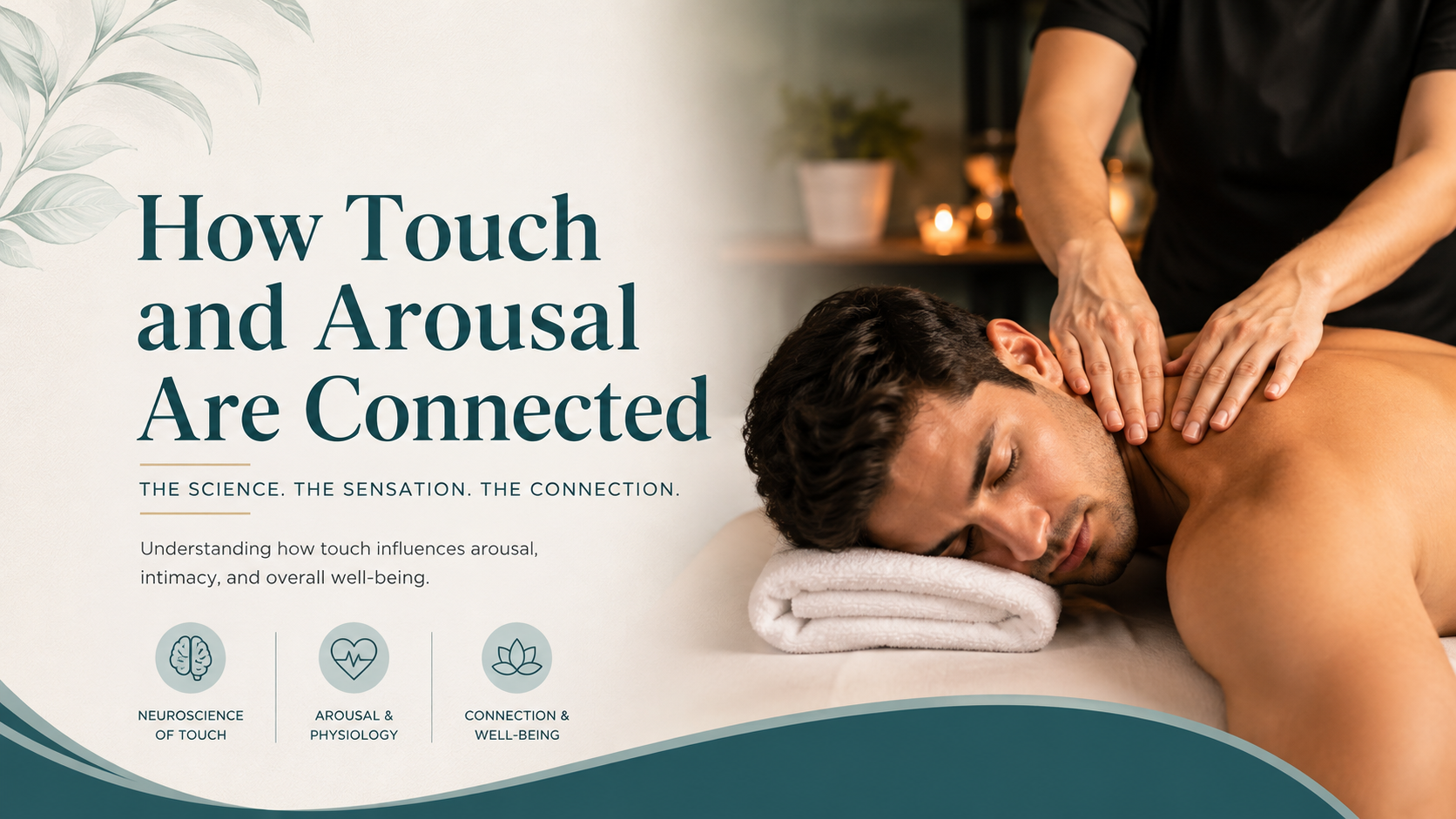
Skin is the body’s largest sensory organ, covered in nerve endings that constantly send signals to the brain. Some of these receptors, particularly a class called C-tactile afferents, respond specifically to slow, gentle stroking at skin temperature — the exact kind of touch used in massage — and are linked to the release of oxytocin, a hormone associated with bonding, relaxation, and arousal.
This is why non-genital touch, done slowly and attentively, can build arousal before any direct sexual contact happens. The nervous system does not draw a hard line between “relaxing touch” and “arousing touch” — the same pathways are involved, and which one dominates depends heavily on context, pace, and where attention is directed.
What Massage Actually Does to the Body
Massage produces several measurable physiological effects that indirectly support sexual response:
- Increases blood flow to the massaged area and, with sustained relaxation, throughout the body — better circulation is directly linked to arousal and sensation in genital tissue
- Lowers cortisol, the primary stress hormone, which is one of the most common suppressors of libido and sensitivity
- Releases oxytocin and endorphins, chemicals associated with pleasure, bonding, and reduced pain perception
- Relaxes muscle tension, particularly in the lower back, hips, and pelvic floor, areas that directly affect comfort and sensation during sex
- Slows the nervous system down from a sympathetic “alert” state into a parasympathetic “rest and arousal” state, which is the state the body needs to be in for full sexual response
Can Massage Increase Sexual Sensitivity?
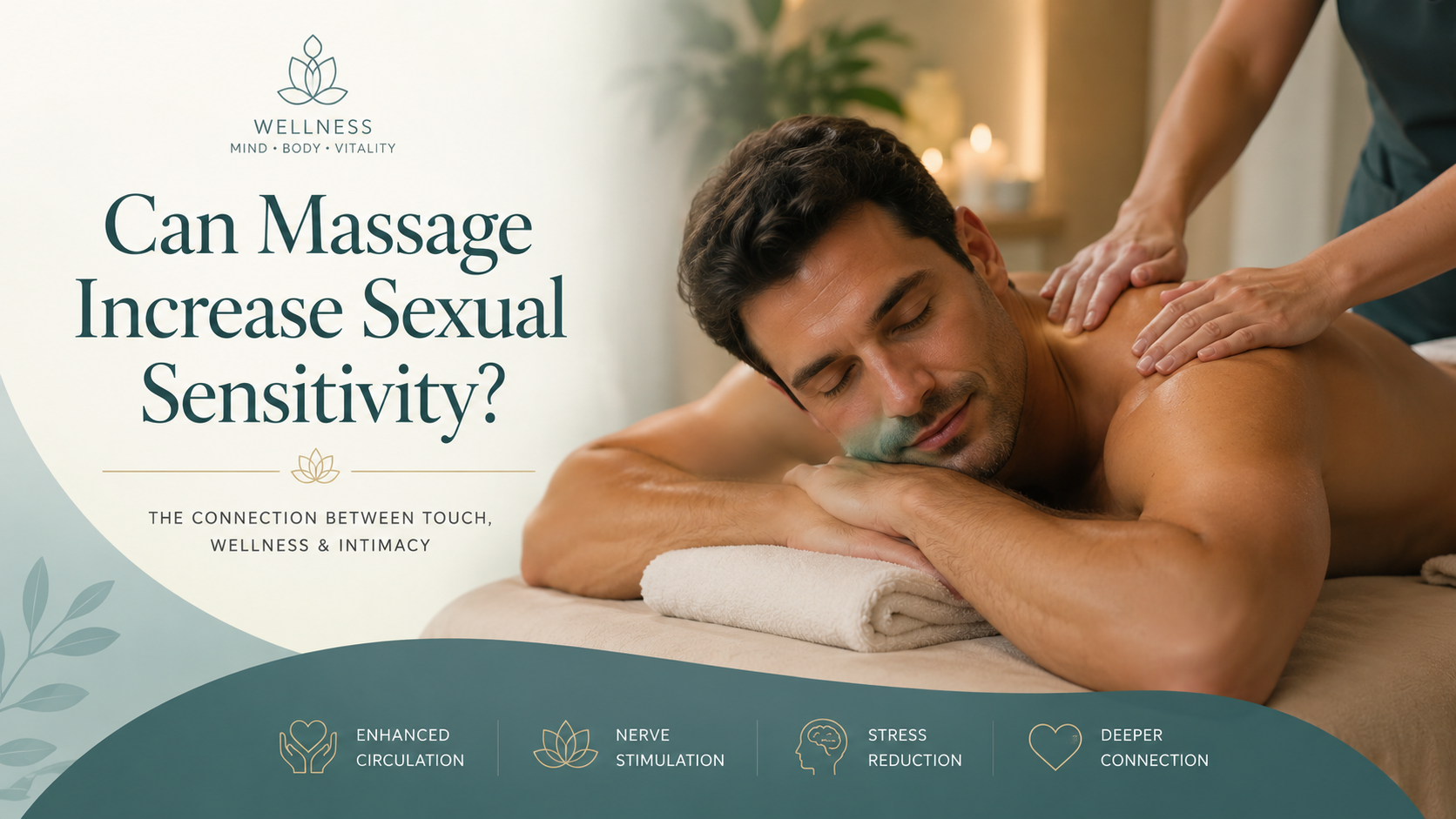
The honest answer is: indirectly, yes, for most people — but not by directly rewiring nerve density. Massage does not permanently increase the number of nerve endings in the skin. What it does do is:
- Reduce the stress and muscle tension that blunt sensation — a tense, distracted nervous system registers touch less clearly than a relaxed one
- Increase blood flow to tissue, which sharpens nerve responsiveness, since nerve endings function better with good circulation
- Build body awareness through repeated, attentive touch, training the brain to notice and interpret sensation more precisely — this is a real, well-documented effect of regular mindful touch practices
- Lower the psychological barriers, like anxiety or self-consciousness, that commonly reduce how much pleasure someone consciously registers, even when the physical sensation itself is present
In short: massage does not create sensitivity out of nothing, but it very often removes the blockers — stress, poor circulation, disconnection from the body — that are quietly suppressing sensitivity that was already there.
The Role of Body Awareness
A significant part of sexual sensitivity is not purely physical — it is about how much attention and awareness a person brings to sensation as it happens. Many people go through sex somewhat mentally absent, distracted by stress, body image concerns, or a wandering mind, which genuinely reduces how much pleasure registers even when physical stimulation is adequate.
Massage, especially when done slowly and without a specific goal, trains a person to stay present with touch — to notice texture, pressure, warmth, and their own physical responses in real time. This skill, sometimes called interoceptive awareness, transfers directly into sexual experiences, and is one of the most consistent explanations researchers give for why couples who incorporate regular massage report improved sexual satisfaction, independent of any change in genital sensation itself.
Massage Techniques That Support Intimacy
- Slow, full-body strokes using the whole palm rather than fingertips, moving at a pace much slower than feels natural at first — this is what most effectively activates the touch receptors linked to relaxation and arousal
- Focus on non-genital erogenous zones first — neck, lower back, inner thighs, scalp, and hands are rich in nerve endings and often overlooked
- Pelvic floor and lower back massage, which can ease the muscle tension that contributes to reduced sensation or discomfort during sex for both men and women
- Varying pressure and rhythm rather than staying constant, which keeps the nervous system engaged and prevents touch from becoming background noise
- Extending the session beyond what feels “necessary” — building arousal through massage works best when there is no rush toward a specific outcome
Using Oils and Lubricants Safely
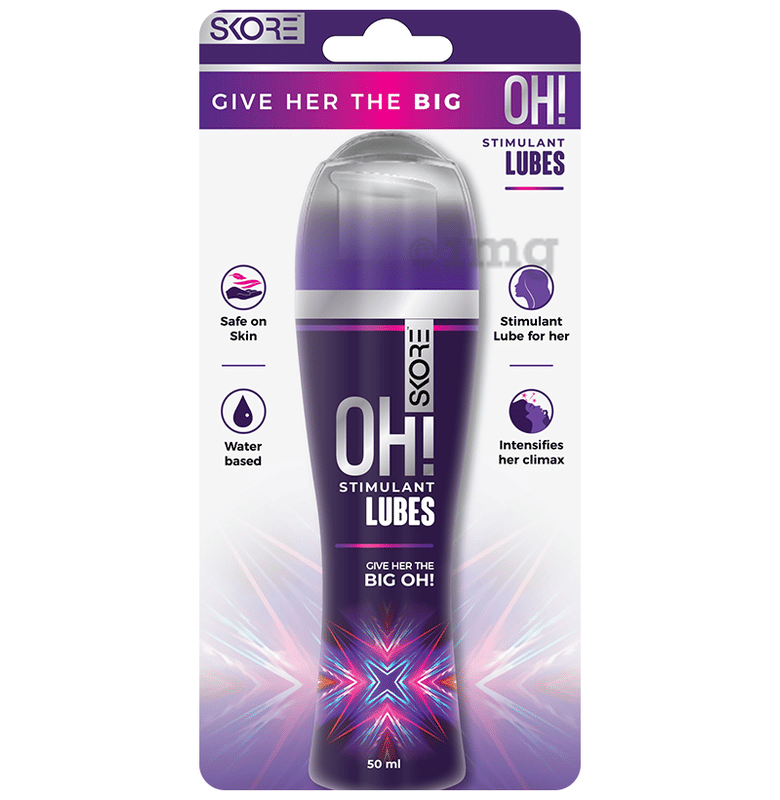
A good massage or intimate oil reduces friction, keeps hands gliding smoothly, and can itself contribute to sensation through warmth or subtle stimulating ingredients. Skore Oh Stimulant Lubes Liquid is formulated specifically for intimate use and can be incorporated into massage that transitions into more direct intimacy, while For Men Pocket Natural Intimate Lube is a convenient, body-safe option for on-the-go use.
Always patch-test a new oil or lubricant on a small area of skin first, and avoid using ordinary cooking oils or scented body lotions near genital areas, since these are not formulated for mucous membranes and can cause irritation or, with oil-based products, degrade latex condoms.

Massage as a Couple’s Practice
Regular massage between partners does more than build physical sensitivity — it builds familiarity with each other’s responses, communication around what feels good, and a shared ritual that keeps intimacy from becoming purely goal-oriented. Couples who set aside time for massage without a fixed expectation that it leads to sex often report that sex, when it does happen, feels more connected and satisfying, precisely because the pressure of a specific outcome has been removed from the touch itself.
This also creates a low-stakes way to reintroduce touch after a period of reduced intimacy, whether due to stress, health changes, or simply drifting into routine, since massage carries none of the performance expectations that direct sexual contact sometimes does.
When Reduced Sensitivity Needs Medical Attention
Massage and lifestyle changes help with sensitivity that has been dulled by stress, poor circulation, or disconnection from the body, but they are not a substitute for medical evaluation when reduced sensation has a physical cause. Conditions such as diabetes-related nerve damage, hormonal changes from menopause or low testosterone, certain medications (particularly some antidepressants), and nerve injury from childbirth or surgery can all cause genuine, physiological reductions in sensitivity that massage alone will not resolve.
If sensitivity has dropped suddenly, is limited to one specific area, or comes with numbness, tingling, or pain, these are signs to see a doctor rather than assuming lifestyle measures will be enough.
Who Should Be Cautious
- Pregnant women should avoid deep abdominal or specific pressure-point massage without guidance from a qualified prenatal massage therapist
- People with active skin infections, rashes, or open wounds in the area should wait until healed
- Those with blood clotting disorders or on blood thinners should use lighter pressure and consult a doctor beforehand, since deep massage can cause bruising
- Anyone with a recent injury or surgery in the area being massaged should get clearance from their treating doctor first
Frequently Asked Questions
.pmc-faq summary{list-style:none;cursor:pointer}
.pmc-faq summary::-webkit-details-marker{display:none}
.pmc-faq summary::after{content:”+”;font-size:24px;font-weight:400;line-height:1;flex-shrink:0;margin-left:16px;color:#444}
.pmc-faq details[open] summary::after{content:”\2212″}
1. Can massage permanently increase how sensitive my skin is?
Massage does not permanently add nerve endings, but it can consistently improve blood flow, reduce the muscle tension and stress that blunt sensation, and train greater body awareness — the combined effect is often experienced as genuinely increased sensitivity over time.
2. How often should couples massage each other for this to help?
There is no fixed rule, but even once or twice a week, for 15-20 minutes, done attentively rather than rushed, is enough for most people to notice a difference in relaxation, connection, and body awareness within a few weeks.
3. Does massage work the same way for men and women?
The underlying physiology — nerve activation, blood flow, oxytocin release, stress reduction — applies to everyone. The specific areas and pressure preferred can differ, which is why communication during massage matters more than following a fixed technique.
4. Can massage help with erectile dysfunction or low arousal?
Massage can help with arousal-related factors like stress, poor circulation, and pelvic tension, but it does not treat medical causes of erectile dysfunction such as vascular disease or low testosterone, which need proper diagnosis and treatment.
5. Is it normal to feel emotional during an intimate massage?
Yes. Oxytocin release and deep relaxation can bring emotions to the surface, including ones unrelated to the massage itself. This is a normal response to sustained, caring touch and nothing to be concerned about.
6. What’s the difference between massage and foreplay?
They overlap heavily, but massage as described here is broader — it is not necessarily goal-directed toward sex, and can be a standalone practice for relaxation and connection that happens to also support sexual sensitivity as a side effect.
7. Can stress really block sexual sensation that much?
Yes. Chronic stress keeps the body in a sympathetic “fight or flight” state, which actively suppresses blood flow to non-essential areas, including genital tissue, and floods the body with cortisol, which is directly linked to reduced libido and dulled sensation.
8. Should I use scented candles or essential oils during massage?
Some people find this enhances relaxation, but be cautious with essential oils near genital areas, as many are irritating to sensitive skin and mucous membranes even when diluted. Keep strongly scented oils to non-intimate areas.
9. Can menopause reduce sensitivity, and does massage help with that specifically?
Yes, declining oestrogen during menopause thins tissue and reduces blood flow, which can genuinely reduce sensation. Massage can help with the circulation and stress components, but tissue-level changes often also need targeted treatment — see our guide on How Menopause Can Affect Intimacy and Sexual Pleasure for the full picture.
10. Is professional massage therapy as effective as a partner’s touch for this purpose?
Professional massage is excellent for circulation, muscle tension, and stress relief, but the bonding and arousal-related oxytocin response is strongest with a trusted intimate partner, since emotional context significantly shapes how touch is interpreted by the brain.
Conclusion
Massage will not rewire your nervous system overnight, but it addresses several of the most common, quietly overlooked reasons sexual sensitivity fades: chronic stress, poor circulation, muscle tension, and a disconnect between mind and body during intimacy. Used consistently, especially as a shared practice between partners, it is a genuinely effective, low-risk way to rebuild both physical sensation and the attention needed to fully register it.
If reduced sensitivity persists despite these changes, or comes with other symptoms, that is the point to bring in a doctor rather than continuing to self-manage.
Browse intimate wellness products at PMC Herbals. Related reading: How Menopause Can Affect Intimacy and Sexual Pleasure and Why Do Some Women Feel Pain After Sex?.
Medical Disclaimer
This article is intended for general educational and informational purposes only. It is not medical advice, and it is not a substitute for consultation, diagnosis or treatment by a qualified healthcare professional.
Massage can support relaxation, circulation and body awareness, but it does not treat underlying medical conditions that cause reduced sexual sensitivity, such as nerve damage, hormonal deficiencies, or vascular disease.
If you experience sudden, persistent, or localized loss of sensation, numbness, or pain, seek medical evaluation.
PMC Herbals does not dispense prescription medicines without a valid prescription and does not accept liability for decisions made solely on the basis of this content.