










Many women notice the scale creeping up around perimenopause and menopause, even without any real change in diet or activity. Estrogen is often blamed, and for good reason — this hormone plays a direct role in how the body stores fat, where it stores it, and how efficiently it burns calories at rest.
This article looks at how estrogen actually influences weight, why the shift from “hips and thighs” fat to “belly” fat happens with age, what the research says about estrogen therapy and weight, and what can realistically be done about it — and goes further, covering estrogen’s broader role in the body, its effect on mood, and how it drives PMS and PMDD.
How Estrogen Affects Body Weight
Estrogen does more than regulate the menstrual cycle — it also influences fat distribution, appetite signaling, and insulin sensitivity. Receptors for estrogen sit directly on fat cells throughout the body, which is why a hormonal shift can change not just how much fat is stored but exactly where it accumulates.
- It helps direct fat storage toward the hips and thighs (subcutaneous fat) rather than the abdomen during the reproductive years.
- It supports a faster resting metabolic rate by interacting with muscle and fat tissue.
- It affects leptin and insulin signaling, which in turn influence hunger and how the body processes sugar.
During the reproductive years, estrogen also helps regulate how the liver and muscles respond to insulin, which keeps blood sugar more stable and reduces the kind of sugar spikes that promote fat storage. It plays a role in appetite regulation too, interacting with brain centers that control hunger and fullness cues, so the swings in energy and cravings many women notice around their cycle are partly hormonal rather than purely behavioral.
When estrogen levels fall, these protective effects weaken, and fat storage patterns shift. The body also becomes somewhat more insulin resistant as estrogen drops, meaning the same meal can trigger a larger blood sugar response than it used to — part of why women often describe gaining weight “for no reason” even when their diet hasn’t changed.
Why Weight Gain Speeds Up During Perimenopause and Menopause
Estrogen production drops sharply during perimenopause and stays low after menopause. This is the single biggest hormonal shift behind midlife weight gain in women, and it rarely arrives on its own — it overlaps with several other changes that compound the effect.
- Fat storage moves from the hips and thighs to the abdomen, raising visceral (belly) fat even without extra calorie intake.
- Resting metabolic rate declines, partly from the hormone drop and partly from age-related muscle loss.
- Sleep disruption and mood changes common in this phase often lead to lower activity and more cravings.
Perimenopause itself can last anywhere from a few months to several years, and estrogen levels during this window don’t fall in a straight line — they fluctuate unpredictably before settling at a consistently lower baseline after menopause. This fluctuation is part of why symptoms, including weight changes, can feel inconsistent month to month rather than following a steady pattern.
Combined with the natural slowdown in metabolism that comes with age, this is why many women gain weight in their 40s and 50s even while eating the same way they always have. On average, resting metabolic rate declines by roughly 2-3% per decade after age 40, and when that overlaps with the menopausal transition, the two effects stack rather than simply adding up one after another.
“Weight gain at menopause is less about willpower and more about a changed hormonal environment — the same habits that kept weight stable for years can stop working almost overnight.”
Low Estrogen vs High Estrogen: Different Patterns
Both low and abnormally high estrogen levels can affect weight, but in different ways.
| Estrogen Level | Typical Weight Pattern | Common Cause |
|---|---|---|
| Low (menopause, ovary removal) | Increased abdominal fat, slower metabolism | Natural menopause, surgical menopause, some medications |
| High (estrogen dominance) | Fluid retention, fat gain in hips/breasts | Hormonal imbalance, certain medications, PCOS in some cases |
| Balanced | Stable fat distribution | Healthy reproductive-years hormone cycling |
Other Factors That Add to the Problem
Estrogen is rarely the only cause of weight gain. It usually interacts with other age-related changes, and untangling how much of a given weight shift is hormonal versus lifestyle-related is often difficult without medical testing.
- Muscle loss (sarcopenia): Less muscle mass means fewer calories burned at rest, independent of hormones.
- Thyroid changes: Thyroid function can shift around the same time as menopause, further slowing metabolism.
- Cortisol and stress: Chronic stress raises cortisol, which encourages abdominal fat storage alongside low estrogen.
Genetics also plays a meaningful role in how and where a woman’s body stores extra fat during this transition, which is why two women with similar estrogen levels and similar lifestyles can see noticeably different weight patterns. Medications unrelated to hormones — including some antidepressants, blood pressure drugs, and corticosteroids — can also contribute to weight gain around the same life stage, which is another reason a full medical review is more useful than focusing on estrogen alone.
Does Hormone Therapy Help With Weight?
This is one of the most common questions women ask once they connect menopause with weight gain, and the honest answer is mixed. Hormone replacement therapy is not approved or marketed as a weight-loss treatment, and most research does not show it reliably causes women to lose weight outright.
- Some studies suggest HRT can help slow the shift toward abdominal fat, even without significant overall weight loss.
- Any benefit tends to be most noticeable when therapy is started earlier in the menopausal transition rather than many years after.
- Response varies widely between individuals, and factors like dose, delivery method, and baseline metabolic health all influence the outcome.
In practice, HRT is usually prescribed for symptoms like hot flashes, night sweats, and bone density protection, with any effect on fat distribution treated as a secondary consideration rather than the main goal. Anyone considering it specifically for weight reasons should have a detailed conversation with their doctor about realistic expectations, personal risk factors, and alternatives.
Managing Weight Changes Linked to Estrogen
There is no single fix, but several approaches consistently help when estrogen-related weight gain sets in.
- Strength training: Rebuilding muscle mass directly counters the metabolic slowdown from both aging and lower estrogen.
- Protein-focused eating: Higher protein intake helps preserve muscle and improves satiety during a hormonal transition.
- Medical evaluation: A doctor can check thyroid function, blood sugar, and whether hormone therapy or other options are appropriate for your situation.
Sleep quality deserves attention too — poor sleep raises cortisol and disrupts hunger hormones, and many women find that improving sleep around perimenopause makes other changes, like diet and exercise, noticeably easier to stick with. Consistency tends to matter more than intensity: smaller, sustainable changes to activity and eating habits carried out over months tend to outperform short, aggressive attempts that are hard to maintain through a period already marked by fatigue and mood swings.
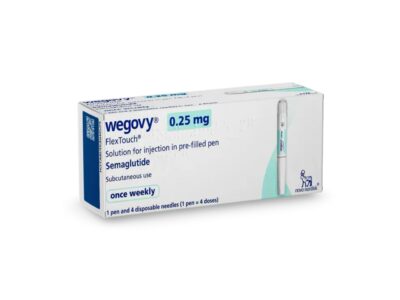
For women whose weight gain is tied more to general metabolic slowdown than estrogen specifically, doctors sometimes also consider weight-management support such as Wegovy 0.25mg FlexTouch, alongside lifestyle changes, when prescribed and supervised medically. See Products That May Help below for hormone and weight-support options.
If you’re exploring the hormone side of this further, our article on how SHBG influences hormone levels in women is a useful next read, and if weight-loss medication is part of your plan, see Semaglutide for Weight Loss: How It Works, Dosing & Results.
Weight is just one part of the picture. Estrogen’s reach extends across the body, and it’s worth stepping back to look at what this hormone does more broadly, how it changes across life stages, and what happens when levels run too high or too low.
What Estrogen Does in the Body
Estrogen is produced mainly by the ovaries and acts on receptors found in tissues throughout the body, which is why its effects go well beyond the reproductive system.
- It regulates the menstrual cycle and supports reproductive tissue development.
- It helps maintain bone density by slowing the breakdown of bone tissue.
- It influences cardiovascular health, skin elasticity, and brain chemistry tied to mood and memory.
Because estrogen receptors are so widespread, even moderate shifts in its levels can produce effects that feel disconnected from reproduction, like changes in mood, skin, or energy.
How Estrogen Levels Change Across Life Stages
Estrogen isn’t static — it follows a predictable monthly pattern during the reproductive years and then shifts permanently at menopause.
- Levels rise and fall cyclically each month, peaking around ovulation and dropping before menstruation.
- Pregnancy raises estrogen to levels many times higher than a typical cycle, supporting fetal development.
- Perimenopause brings erratic swings before estrogen settles at a much lower baseline after menopause.
Signs of Low Estrogen
Low estrogen can occur naturally at menopause or earlier due to other causes, and it produces a recognizable set of symptoms.
- Irregular or absent periods, along with vaginal dryness and reduced bone density over time.
- Hot flashes, night sweats, and sleep disruption, especially during perimenopause and menopause.
- Mood changes, including irritability and low mood, linked to estrogen’s role in brain chemistry.
“Low estrogen rarely announces itself as a single symptom — it tends to show up as a cluster of changes across sleep, mood, and the body at once.”
Signs of High Estrogen
Estrogen levels that run too high relative to other hormones, sometimes called estrogen dominance, also produce a distinct symptom pattern.
- Heavier or more painful periods, along with breast tenderness and bloating.
- Weight gain, particularly around the hips and thighs, in some women.
- Mood swings and worsened PMS symptoms tied to an estrogen-progesterone imbalance.
Supporting Healthy Estrogen Balance
Several everyday factors influence estrogen metabolism and balance, alongside any medical treatment a doctor may recommend.
- Maintaining a healthy weight: Fat tissue produces estrogen, so significant weight changes can shift hormone balance.
- Limiting alcohol intake: Alcohol affects how the liver metabolizes and clears excess estrogen.
- Regular exercise and fiber intake: Both support healthy estrogen metabolism and elimination.
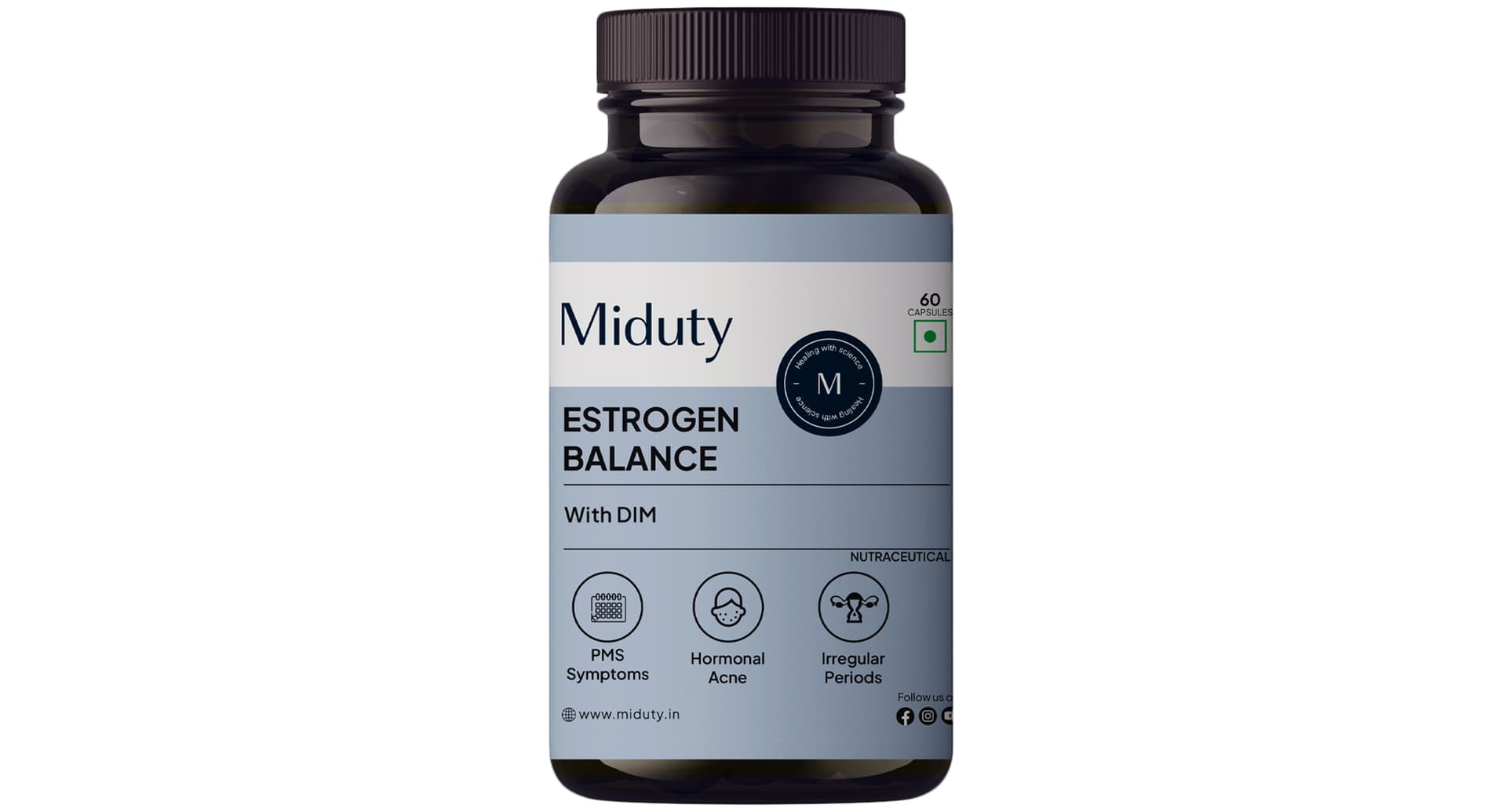
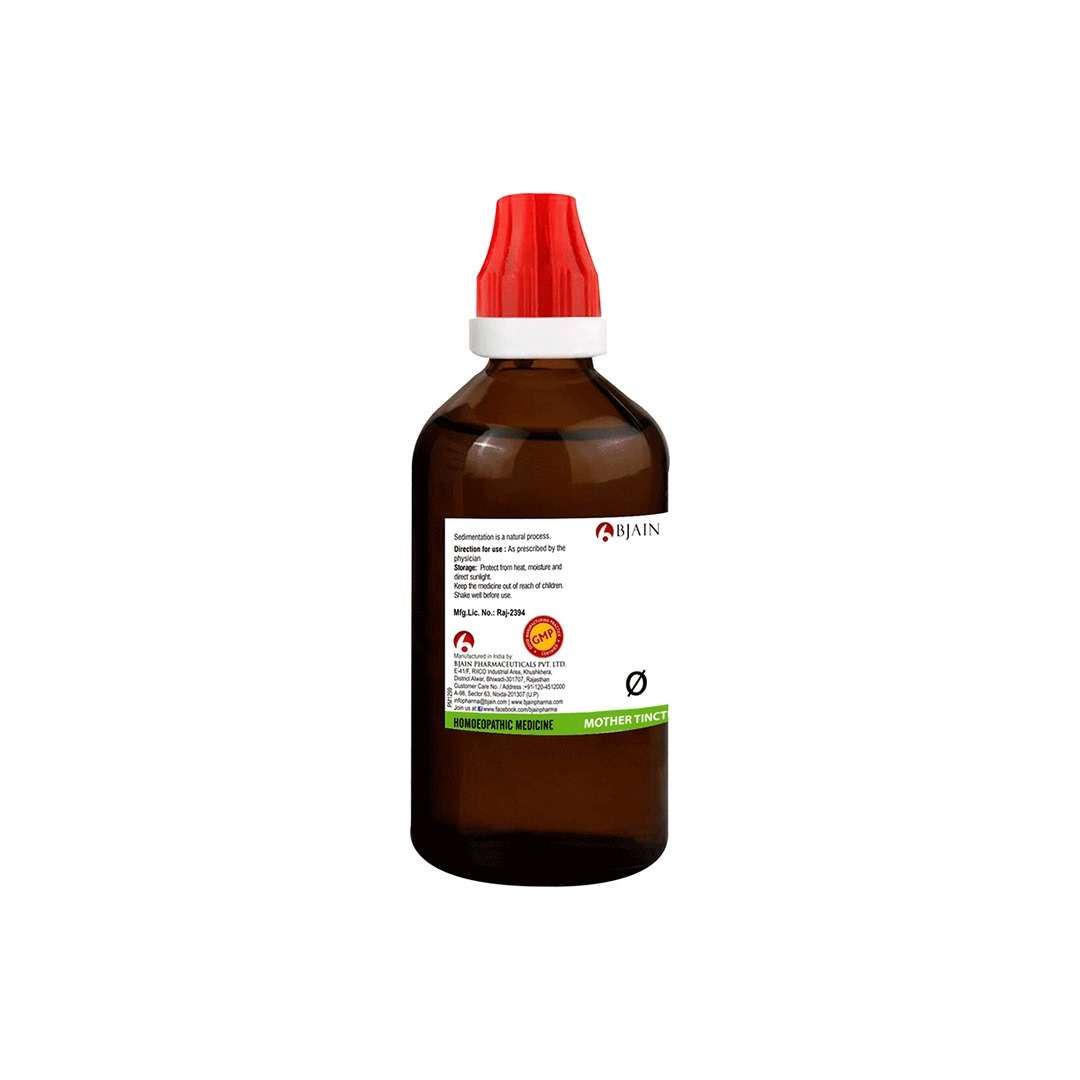
Herbal and homeopathic options are commonly used to support general hormone balance, and a doctor can help determine whether estrogen levels are a meaningful factor behind specific symptoms. See Products That May Help below for related options.
Estrogen’s effects show up differently depending on where you are in your cycle or life stage. For the emotional side specifically, see How Estrogen Influences Mood; for premenstrual symptoms, read What Causes PMS and, for more severe cases, What Is PMDD. If weight changes are part of your picture, see How Estrogen Affects Body Weight.
Estrogen’s influence isn’t limited to metabolism and physical health — it also plays a direct role in brain chemistry and emotional wellbeing.
How Estrogen Influences Mood
Estrogen interacts directly with serotonin and dopamine, the brain chemicals most closely tied to mood, motivation, and emotional stability. It isn’t a side effect of the hormone — it is one of estrogen’s core jobs in the brain.
- It boosts serotonin production and helps serotonin receptors function more efficiently.
- It supports dopamine activity, which affects motivation and sense of reward.
- It influences the stress-response system, changing how strongly the body reacts to everyday triggers.
Because of this tight link, even modest shifts in estrogen can show up as noticeable changes in emotional resilience. A level that feels stable one week can leave you more reactive the next, even without any change in circumstances.
Mood Changes Across the Menstrual Cycle
Estrogen doesn’t stay level through the menstrual cycle — it rises through the first half, peaks around ovulation, then drops sharply before menstruation. This drop, especially alongside falling progesterone, is a major driver of premenstrual irritability and low mood.
- Estrogen rises steadily in the follicular phase, often correlating with higher energy and a more even mood.
- It peaks near ovulation, a point many women describe as their most emotionally stable.
- It falls sharply in the days before a period, which lines up with the irritability and tearfulness common in PMS.
“The emotional dip before a period isn’t a personality flaw or lack of willpower — it tracks a real, measurable hormonal drop that happens to almost every cycling woman.”
Perimenopause, Menopause, and Emotional Volatility
Perimenopause often brings some of the most unpredictable emotional swings of a woman’s life, because estrogen doesn’t decline smoothly — it fluctuates erratically before settling at a lower baseline after menopause.
- Unpredictable estrogen spikes and drops can trigger anxiety, irritability, or sudden low mood with little warning.
- Sleep disruption from night sweats and hot flashes compounds emotional instability independently of hormones.
- Women with a history of PMS or postpartum mood changes often notice sharper emotional swings during this transition.
When Emotional Changes Need Medical Attention
Most estrogen-related mood changes are temporary and predictable, easing once hormone levels stabilize. Some patterns, though, go beyond typical hormonal fluctuation and point to a condition that benefits from proper diagnosis and treatment.
- Mood symptoms severe enough to disrupt work, relationships, or daily functioning for most of the month.
- Emotional changes that don’t resolve once a period starts or a hormonal transition settles.
- Any mood symptoms accompanied by thoughts of harming yourself or others.
A doctor can help distinguish ordinary hormonal mood swings from conditions like premenstrual dysphoric disorder or a mood disorder that happens to overlap with a hormonal transition.
Managing Estrogen-Linked Mood Swings
For milder, predictable mood changes, several approaches consistently help women feel more emotionally steady through hormonal shifts.
- Regular exercise: Physical activity supports serotonin and dopamine activity independently of hormone levels.
- Consistent sleep: Poor sleep amplifies irritability and emotional reactivity, especially around ovulation and before a period.
- Tracking your cycle: Noting mood alongside cycle day makes swings feel predictable rather than random, which itself reduces distress.
Herbal and homeopathic options are also commonly used alongside lifestyle changes to support emotional balance through hormonal shifts, and some women benefit from a direct conversation with a doctor about whether their estrogen levels are a meaningful factor in their mood symptoms. See Products That May Help below for related options.
If premenstrual mood symptoms are a recurring pattern for you, see What Causes PMS below, and if weight changes are part of the picture too, see How Estrogen Affects Body Weight above.
One of the most familiar ways estrogen’s monthly rise and fall shows up is through premenstrual syndrome (PMS).
What Causes PMS
PMS results from the normal hormonal swings of the menstrual cycle, not from any disease or abnormality. After ovulation, the body shifts from an estrogen-dominant phase to one where progesterone rises, and both hormones then fall sharply before menstruation begins.
- Estrogen and progesterone both drop steeply in the final days of the luteal phase.
- This drop affects neurotransmitters, fluid balance, and the uterine lining almost simultaneously.
- Nearly all cycling women experience some premenstrual symptoms; PMS specifically refers to symptoms significant enough to affect daily life.
The timing is consistent enough that most women can predict, within a day or two, when PMS symptoms will start relative to their next period.
How Estrogen Drives PMS Symptoms
Estrogen’s falling levels in the luteal phase interact with the same brain chemistry responsible for mood, along with fluid retention and tissue sensitivity elsewhere in the body.
- Falling estrogen reduces serotonin activity, contributing to irritability, low mood, and food cravings.
- Estrogen’s effect on fluid balance eases just before a period, which is linked to bloating and breast tenderness.
- The ratio between estrogen and progesterone, not just the absolute level of either, appears to matter for symptom intensity.
Common Physical and Emotional Symptoms
PMS symptoms vary from woman to woman, but they generally fall into overlapping physical and emotional categories.
- Physical: Bloating, breast tenderness, headaches, and fatigue are among the most frequently reported.
- Emotional: Irritability, anxiety, tearfulness, and food cravings are common in the days before a period.
- Sleep-related: Many women notice lighter or more disrupted sleep in the premenstrual window.
“PMS is not a single symptom but a cluster of physical and emotional changes that tend to arrive together and resolve together, tracking the same hormonal curve each cycle.”
Why PMS Severity Varies So Much Between Women
Two women with similar estrogen and progesterone levels can experience very different PMS intensity, which points to more than hormone levels alone being responsible.
- Individual sensitivity to normal hormonal shifts differs, likely influenced by genetics and brain chemistry.
- Stress, poor sleep, and high caffeine or sugar intake can all amplify PMS symptoms.
- A family history of PMS or premenstrual dysphoric disorder (PMDD) raises the likelihood of more severe symptoms.
Managing PMS Linked to Estrogen
PMS can’t always be eliminated, but several approaches consistently reduce its intensity for most women.
- Reducing sodium, caffeine, and sugar: This can ease bloating and stabilize energy and mood in the luteal phase.
- Regular exercise: Physical activity supports serotonin levels and reduces both physical and emotional PMS symptoms.
- Calcium and magnesium intake: Adequate levels of both have been linked to milder PMS symptoms in several studies.
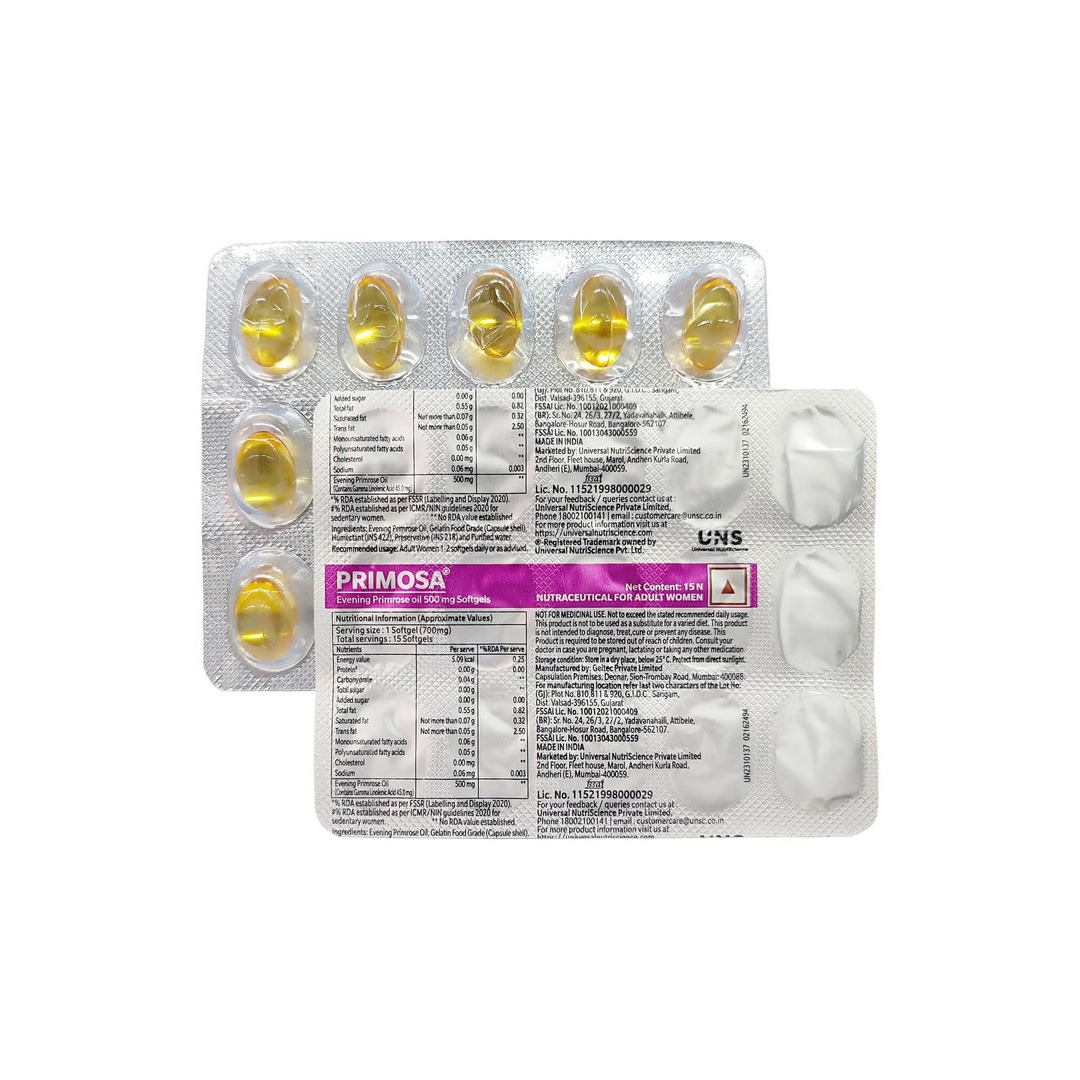
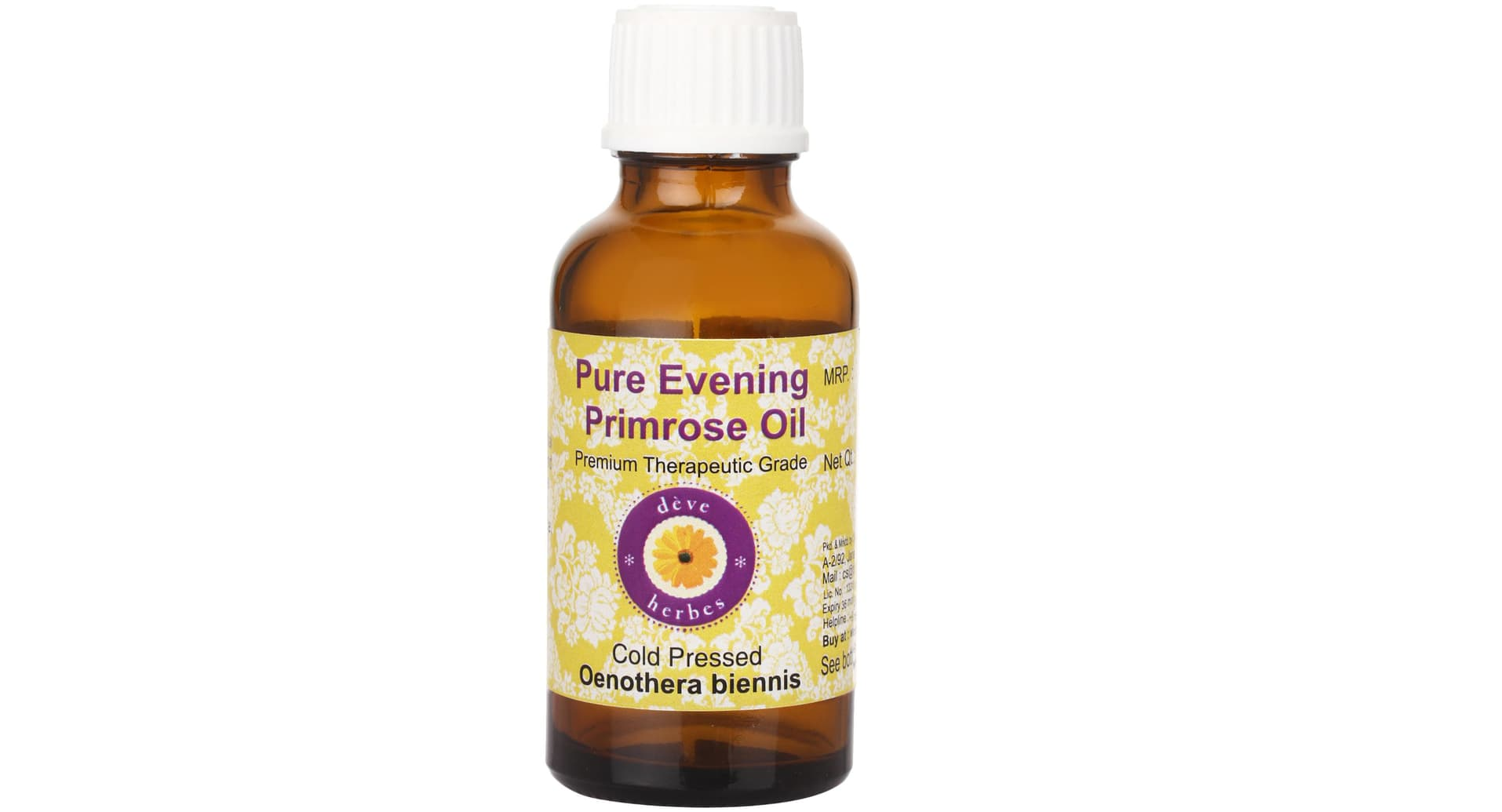
Evening primrose oil is one of the most commonly used natural options for PMS-related breast tenderness and hormonal discomfort, and some women also find homeopathic support helpful alongside these lifestyle changes. See Products That May Help below for related options.
If your premenstrual symptoms lean more emotional than physical, see How Estrogen Influences Mood above, and for symptoms severe enough to disrupt daily life, see What Is PMDD below.
For some women, these premenstrual effects go well beyond ordinary PMS, into a more severe condition called premenstrual dysphoric disorder (PMDD).
What Is PMDD
Most women are familiar with ordinary PMS — bloating, irritability, a few days of feeling off before a period. Premenstrual dysphoric disorder (PMDD) is different in degree, not just in name: it produces severe mood symptoms tied to the same hormonal cycle, often severe enough to disrupt work, relationships, and daily functioning for a week or more each month.
PMDD is a severe form of premenstrual disorder recognized as a distinct diagnosis, marked by intense mood symptoms that appear in the luteal phase and resolve shortly after a period starts.
- Symptoms recur predictably in the one to two weeks before menstruation, every cycle.
- Core symptoms are emotional: severe irritability, depression, anxiety, or a sense of being overwhelmed.
- Unlike typical PMS, PMDD symptoms are severe enough to interfere significantly with daily life.
PMDD affects a meaningful minority of menstruating women, and because its symptoms are emotional rather than purely physical, it is often mistaken for a standalone mood disorder rather than a hormone-triggered condition.
How Estrogen and Progesterone Trigger PMDD
PMDD isn’t caused by abnormal hormone levels — most women with PMDD have normal estrogen and progesterone levels. What differs is how their brains respond to the normal rise and fall of these hormones.
- Falling estrogen and progesterone after ovulation trigger an abnormal serotonin response in women with PMDD.
- Allopregnanolone, a progesterone byproduct, interacts unusually with brain receptors in people prone to PMDD.
- The sharp hormonal drop in the final days before a period, not the hormone levels themselves, is the main trigger.
PMDD vs PMS: Why the Difference Matters
Treating PMDD as “just PMS” delays proper care, since the two conditions differ meaningfully in severity and the kind of treatment that helps.
- PMS symptoms are typically manageable with lifestyle changes; PMDD symptoms often are not.
- PMDD specifically requires emotional symptoms severe enough to impair functioning, which is not a requirement for a PMS diagnosis.
- PMDD is recognized as a depressive disorder variant, which opens the door to treatments not usually considered for PMS.
“The defining feature of PMDD isn’t that symptoms are worse — it’s that they’re disabling, cycle after cycle, in a way ordinary PMS rarely is.”
Who Is More Likely to Develop PMDD
PMDD doesn’t affect all cycling women equally, and several factors raise the likelihood of developing it.
- A personal or family history of depression, anxiety, or postpartum mood disorders.
- A history of trauma or chronic high stress levels.
- Sensitivity to hormonal transitions generally, including strong reactions to hormonal birth control in the past.
Managing PMDD Linked to Estrogen
PMDD responds to a different set of approaches than ordinary PMS, and effective management usually involves a doctor rather than lifestyle changes alone.
- Medical evaluation first: A proper diagnosis rules out other mood conditions and confirms the cyclical pattern.
- SSRIs: These are often effective for PMDD specifically, sometimes used only during the luteal phase rather than continuously.
- Hormonal approaches: Certain hormonal treatments can help by suppressing the cyclical hormone shifts that trigger symptoms.
Some women also use herbal and homeopathic support alongside medical treatment for general hormone balance, though PMDD itself should always be managed under medical supervision given its severity. See Products That May Help below for related options.
If your symptoms feel more like ordinary premenstrual discomfort than a severe mood disruption, see What Causes PMS above, and for the broader picture of how estrogen affects emotions generally, see How Estrogen Influences Mood above.
Products That May Help
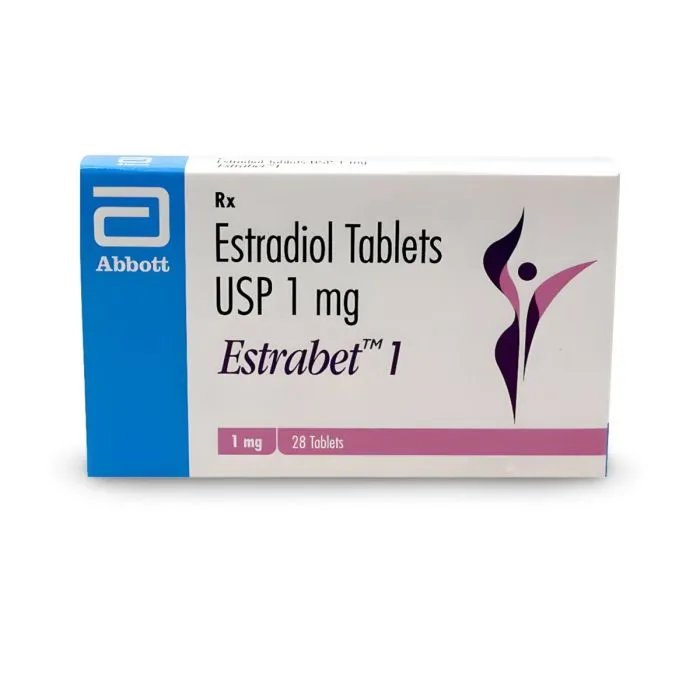
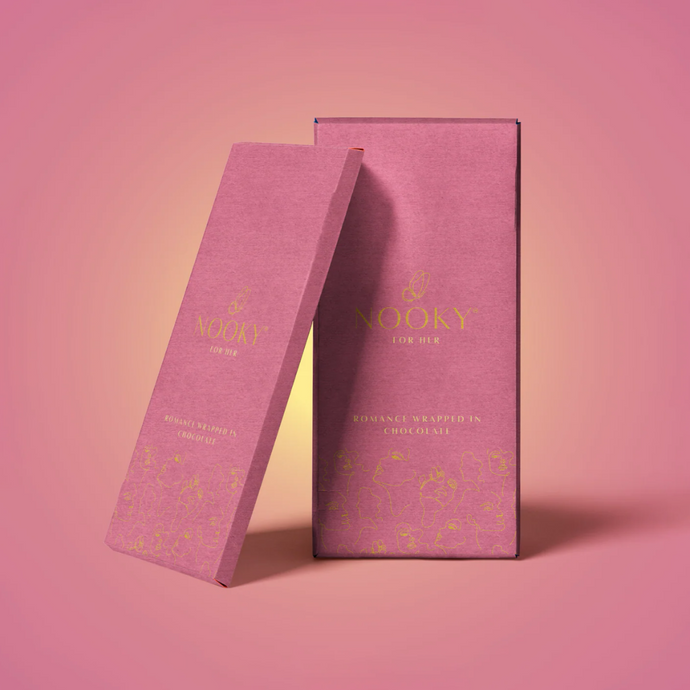
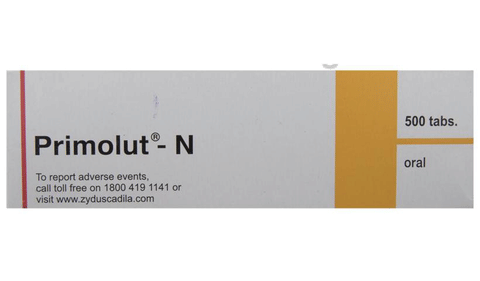
The products below are commonly used alongside the lifestyle and medical approaches covered in this article to support hormone balance, mood, and weight management. Always check with a doctor before starting anything new, especially alongside existing medication.

Frequently Asked Questions
Does low estrogen always cause weight gain?
Not always, but it is one of the most consistent contributors to midlife weight gain in women. Genetics, muscle mass, activity level, and diet all still matter alongside hormone levels.
Can hormone replacement therapy reverse estrogen-related weight gain?
HRT can help redistribute fat away from the abdomen for some women, but it is not guaranteed to cause weight loss and comes with its own risks and benefits that should be discussed with a doctor.
Is belly fat after menopause dangerous?
Increased visceral fat after menopause is linked to higher risk of heart disease and type 2 diabetes, which is why addressing it is about more than appearance.
What is the fastest way to reduce estrogen-related belly fat?
There is no fast fix. Strength training, adequate protein, good sleep, and managing stress are the most evidence-backed approaches, often combined with medical evaluation of thyroid and metabolic health.
Does hormone therapy cause weight gain instead of helping?
Some women report short-term fluid retention or bloating when starting HRT, which can feel like weight gain on the scale. This is usually temporary and different from the long-term fat redistribution that falling estrogen itself causes.
What is estrogen’s main job in the body?
Estrogen primarily regulates the menstrual cycle and reproductive development, but it also supports bone density, cardiovascular health, skin, and brain chemistry tied to mood.
What happens when estrogen levels drop at menopause?
Lower estrogen after menopause can cause hot flashes, vaginal dryness, reduced bone density, and mood changes, as the body adjusts to a permanently lower hormonal baseline.
Can estrogen levels be too high?
Yes. Estrogen dominance, where estrogen is high relative to progesterone, can cause heavier periods, bloating, weight gain, and worsened PMS symptoms.
How can I find out if my estrogen levels are a problem?
A doctor can order blood tests to check hormone levels and help determine whether symptoms you’re experiencing are related to estrogen imbalance or another cause.
Can estrogen really cause mood swings?
Yes. Estrogen directly affects serotonin and dopamine activity in the brain, so rising and falling levels across the menstrual cycle and during hormonal transitions can produce real, noticeable changes in mood.
Why do I feel more emotional right before my period?
Estrogen and progesterone both drop sharply in the days before menstruation, which is strongly linked to the irritability, tearfulness, and low mood many women experience premenstrually.
Is it normal to feel more emotional during perimenopause?
Yes, this is common. Estrogen fluctuates unpredictably during perimenopause rather than declining steadily, which often produces more erratic emotional swings than earlier hormonal transitions.
When should emotional changes be checked by a doctor?
If mood symptoms are severe, persistent beyond what feels like a normal hormonal dip, or include thoughts of self-harm, see a doctor promptly rather than assuming it will pass on its own.
Is PMS caused directly by estrogen?
Estrogen’s sharp drop in the days before a period, alongside falling progesterone, is a major driver of PMS symptoms, though individual sensitivity to that shift also plays a large role.
How long before a period do PMS symptoms usually start?
Most women notice symptoms starting one to two weeks before their period, with the most pronounced symptoms typically in the final few days of the luteal phase.
Does PMS get worse with age?
Some women notice PMS symptoms intensify in their late 30s and 40s as hormone levels become less predictable approaching perimenopause.
Is PMDD caused by abnormal estrogen levels?
No. Most women with PMDD have normal hormone levels; PMDD results from an unusual brain sensitivity to the normal rise and fall of estrogen and progesterone.
How is PMDD different from depression?
PMDD symptoms are cyclical, appearing only in the luteal phase and resolving after a period starts, whereas depression symptoms are typically persistent regardless of cycle timing.
Can PMDD be treated without medication?
Lifestyle changes can help mild cases, but PMDD’s severity usually means medical treatment, such as SSRIs or hormonal therapy, is needed for meaningful relief.
Does PMDD get better after pregnancy or with age?
PMDD symptoms can change over time and often improve after menopause, though pregnancy and postpartum periods can temporarily worsen or alter the pattern.
Legal Disclaimer
This article is for general informational purposes only and is not a substitute for professional medical advice, diagnosis, or treatment. Always consult a qualified healthcare provider before starting, stopping, or changing any treatment, supplement, or hormone therapy — including for weight changes related to perimenopause or menopause, persistent or severe mood changes, or symptoms of PMS or premenstrual dysphoric disorder (PMDD). Seek prompt medical attention for any mood symptoms accompanied by thoughts of self-harm.