










What Is Semaglutide?
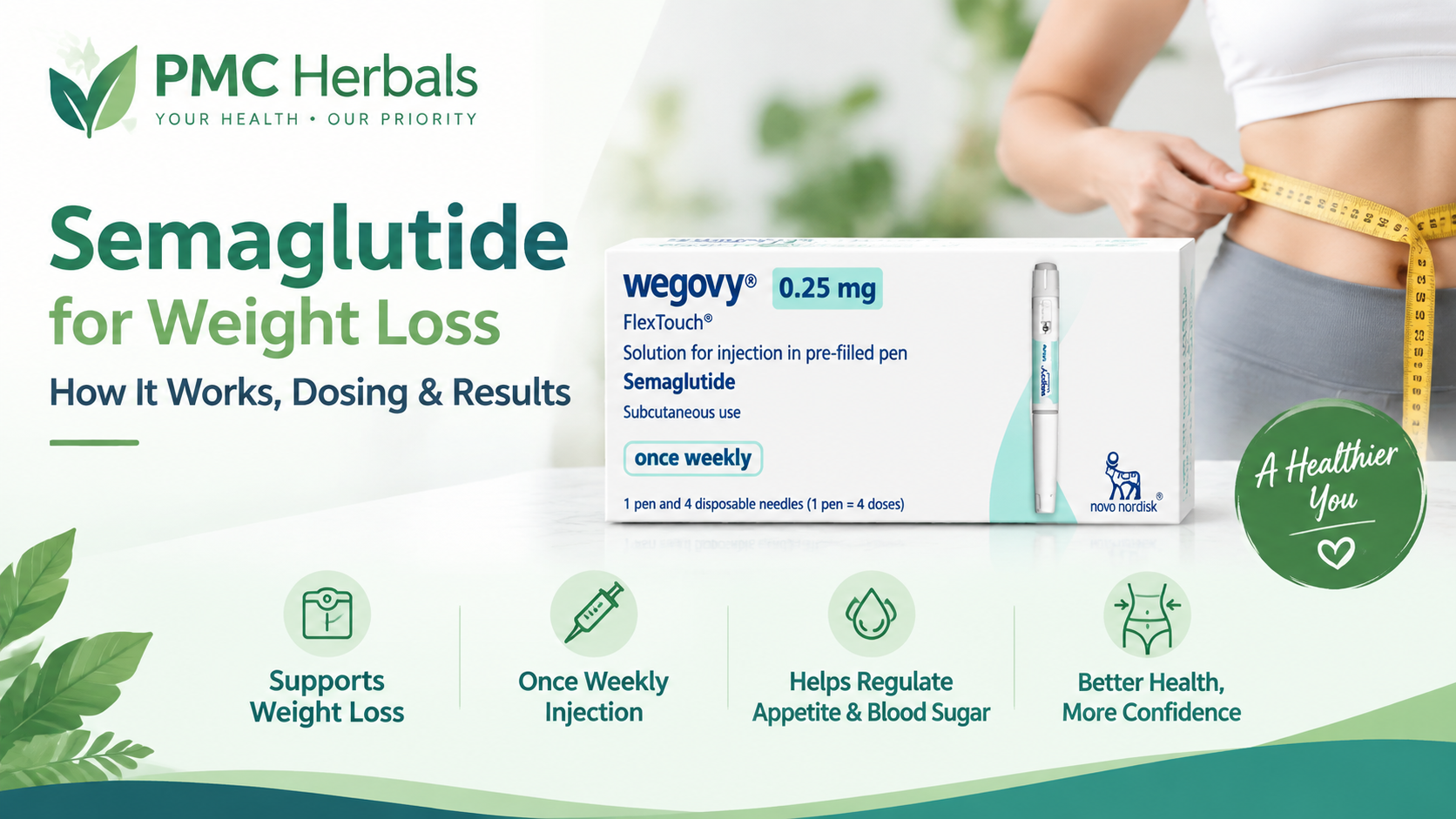
Semaglutide is a prescription medicine that belongs to a class of drugs called GLP-1 receptor agonists (glucagon-like peptide-1 receptor agonists). It was originally developed to treat type 2 diabetes, but higher-dose versions have since been approved specifically for chronic weight management in adults who are overweight or living with obesity.
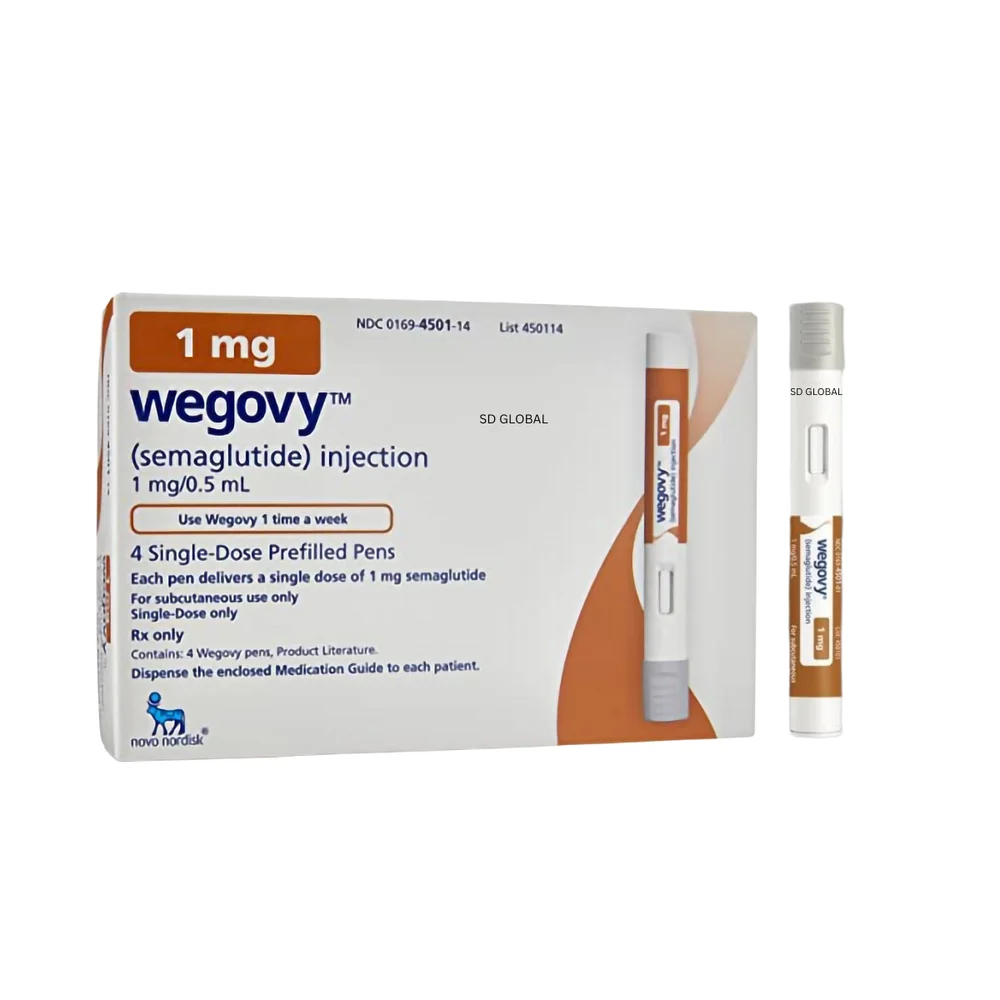
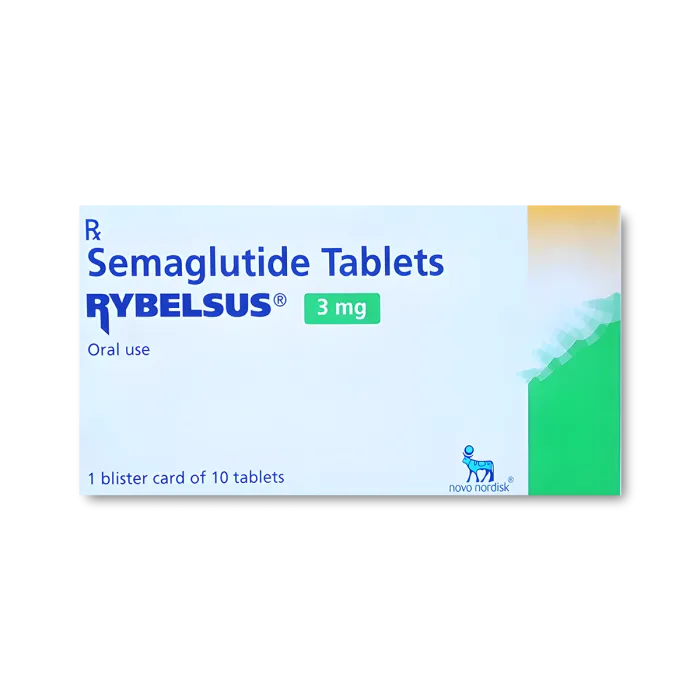
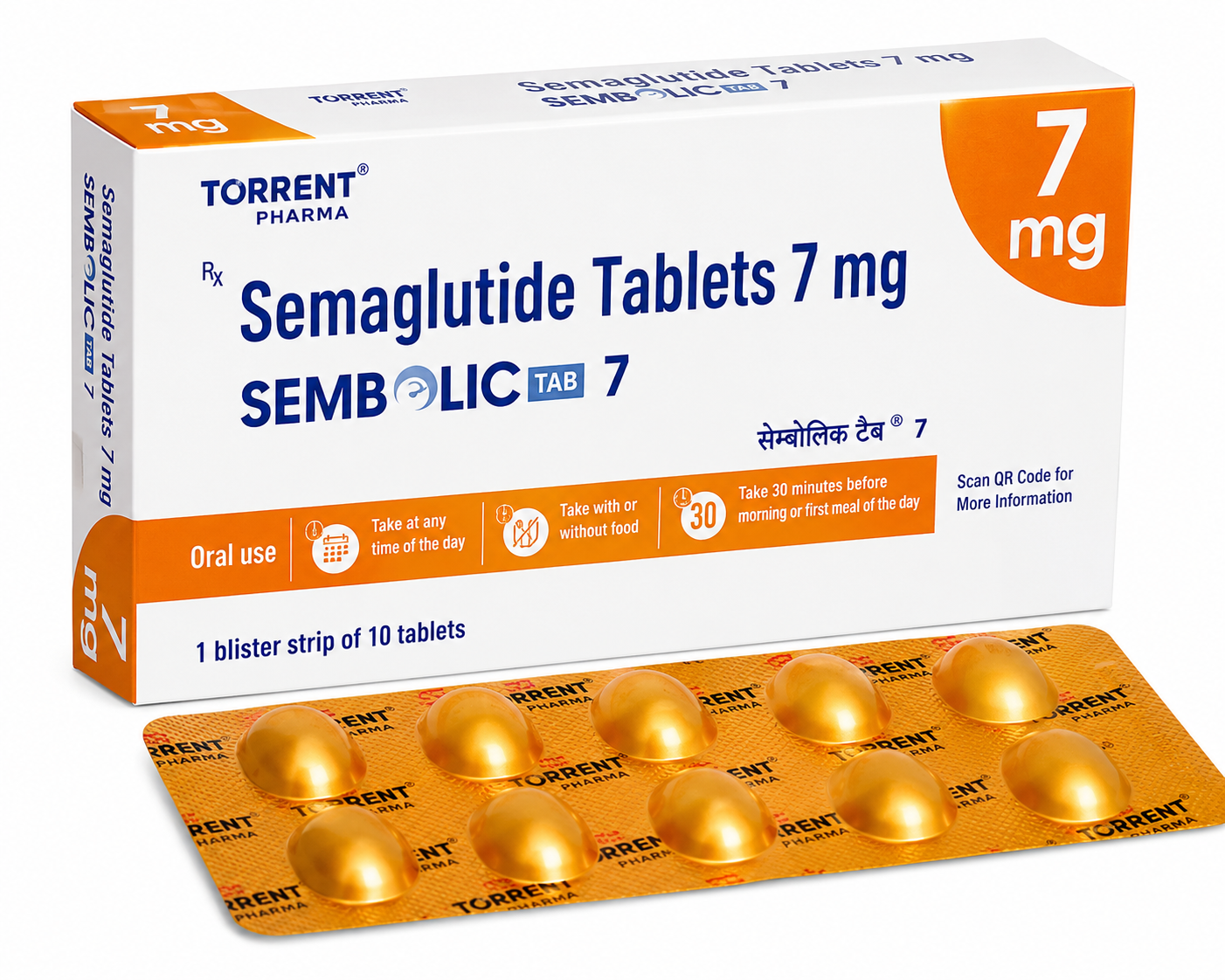
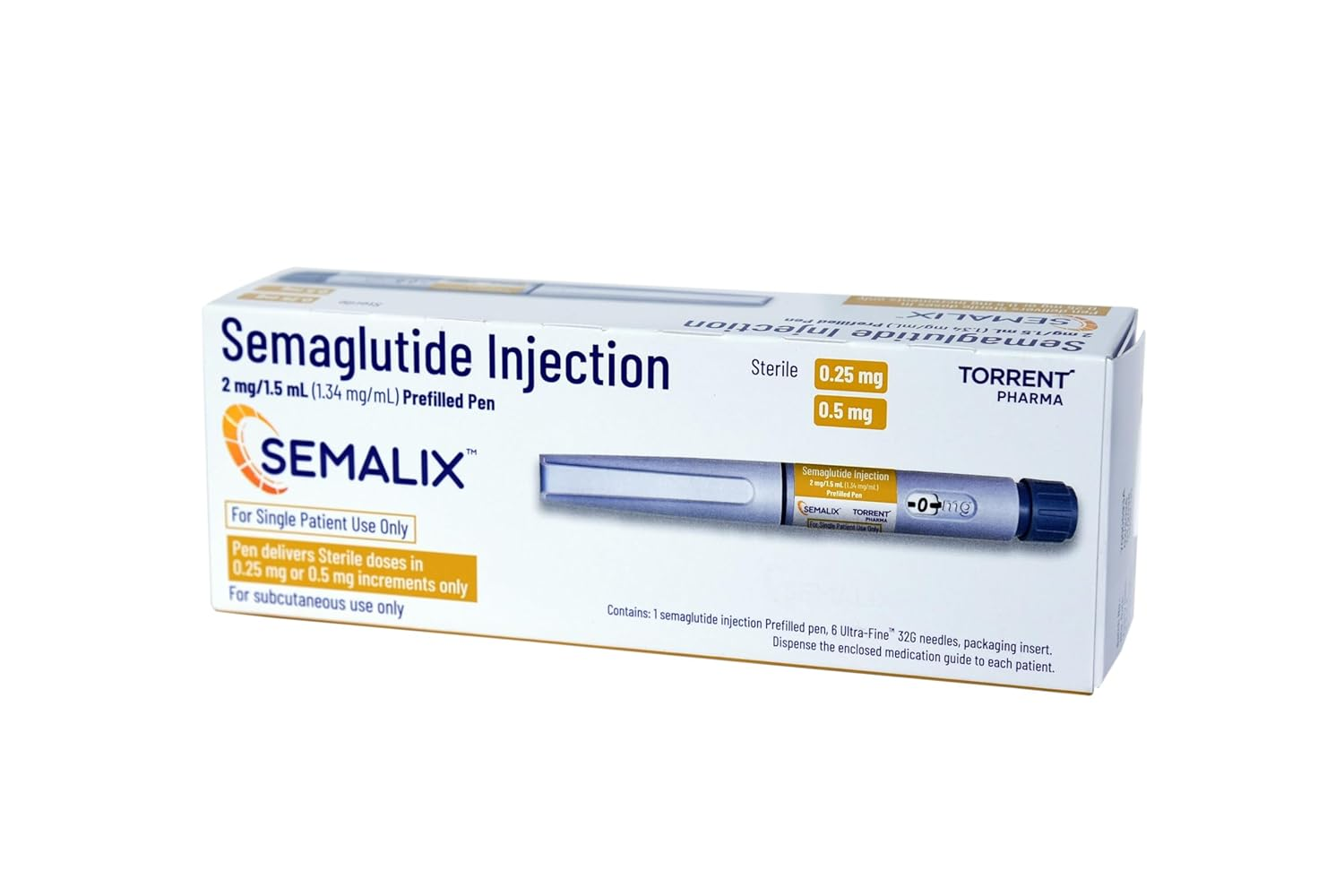
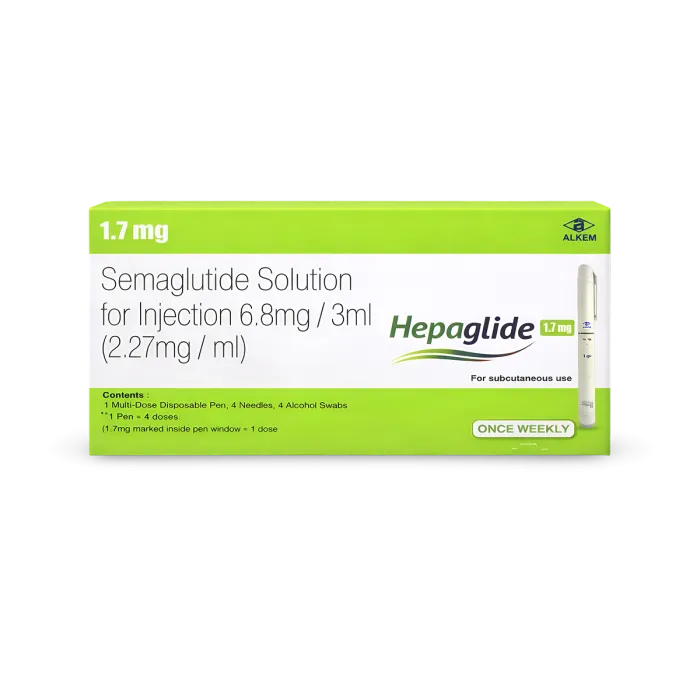
Semaglutide is sold under several brand names, including Ozempic and Wegovy (injectable pens) and Rybelsus (an oral tablet). While Ozempic is primarily prescribed for blood sugar control in type 2 diabetes, Wegovy is the version specifically approved for weight loss, and doctors sometimes prescribe semaglutide off-label for weight management as well. More affordable generic semaglutide options, such as Semalix, Hepaglide, and Sembolic, are also available for patients who need a lower-cost alternative under the same medical guidance.
It is important to understand that semaglutide is not a magic solution — it works best when combined with a reduced-calorie diet and increased physical activity, and it must be used under medical supervision.
Quick Facts
- Drug class: GLP-1 receptor agonist
- Common brand names: Ozempic, Wegovy, and Rybelsus (semaglutide); Semalix, Hepaglide, and Sembolic (more affordable generic options)
- Approved uses: Blood sugar control in type 2 diabetes (Ozempic, Rybelsus) and chronic weight management (Wegovy)
- Available forms: Once-weekly injectable pen or once-daily oral tablet
- Time to see results: Reduced appetite within the first few weeks; noticeable weight loss typically over 3–6 months
- Prescription status: Prescription-only, requires ongoing medical supervision
- Most common side effects: Nausea, vomiting, diarrhea, and constipation

How Does Semaglutide Work for Weight Loss?
Semaglutide mimics a natural gut hormone called GLP-1, which is released after eating. By activating GLP-1 receptors in the brain and digestive system, semaglutide works in a few connected ways:
- Slows down stomach emptying — food stays in the stomach longer, so you feel full for a longer period after meals.
- Reduces appetite and food cravings — it acts on appetite-control centers in the brain, which can lower overall calorie intake.
- Improves blood sugar regulation — it helps the pancreas release insulin when blood sugar is high and reduces the amount of sugar the liver releases, which is especially useful in people who also have type 2 diabetes or prediabetes.
Together, these effects lead to eating less without constant hunger, which over time supports gradual, sustained weight loss when paired with lifestyle changes.
Typical Dosing Schedule
Semaglutide is almost always started at a low dose and increased gradually over several weeks. This step-up approach, called titration, helps the body adjust and reduces the risk of nausea and other digestive side effects. A general (not individualized) titration pattern used in clinical practice looks like this:
- Weeks 1–4: Lowest starting dose, to let the body adapt.
- Weeks 5–8: Dose is increased if the previous dose was well tolerated.
- Weeks 9 onward: Dose is gradually raised further, in a step-wise manner, until the person reaches their target maintenance dose.
The exact starting dose, the size of each increase, and the final maintenance dose depend on the specific brand/formulation (injection vs. oral tablet), the condition being treated, and how the individual responds. Only a licensed doctor can determine the right dose and schedule for a specific patient — self-adjusting the dose or skipping the titration steps is not safe.
Semaglutide injections are typically given once a week, on the same day each week, either with or without food. The oral tablet form is usually taken once daily, first thing in the morning, on an empty stomach with a small amount of plain water, at least 30 minutes before the first food, drink, or other oral medication of the day.
What Results Can You Expect?
Weight loss with semaglutide is generally gradual rather than immediate:
- Some people begin noticing reduced appetite within the first few weeks.
- Meaningful weight loss is usually observed over 3 to 6 months of consistent use combined with diet and exercise changes.
- Maximum benefit is generally seen after around a year of continued treatment at the maintenance dose.
Results vary significantly from person to person based on starting weight, adherence to the prescribed dose, diet, activity level, and individual metabolism. It is normal for weight loss to slow down or plateau after the initial months — this does not necessarily mean the medicine has stopped working.
It is also important to know that weight regain is common if the medication is stopped without continuing the lifestyle changes that supported the weight loss in the first place. Semaglutide is generally intended for long-term use as part of an ongoing weight management plan, not a short-term fix.
Possible Side Effects
Like all medications, semaglutide can cause side effects. The most commonly reported ones are gastrointestinal and tend to be more noticeable when the dose is increased:
- Nausea
- Vomiting
- Diarrhea or constipation
- Stomach pain or bloating
- Reduced appetite
- Fatigue
- Headache
These effects are usually mild to moderate and often improve as the body adjusts to the dose. Eating smaller, low-fat meals and avoiding lying down right after eating can help reduce nausea.
Less common but more serious risks that require prompt medical attention include:
- Signs of pancreatitis (severe, persistent abdominal pain, sometimes spreading to the back, with or without vomiting)
- Symptoms of gallbladder problems (pain in the upper right abdomen, fever, yellowing of the skin or eyes)
- Signs of a severe allergic reaction (swelling of the face, lips, tongue, or throat; difficulty breathing; rash or hives)
- Symptoms of low blood sugar (hypoglycemia), especially if taken alongside insulin or other diabetes medications
- Vision changes, particularly in people with existing diabetic eye disease
- Signs of kidney problems, which can be worsened by dehydration from severe vomiting or diarrhea
Who Should Avoid Semaglutide?
Semaglutide is not suitable for everyone. It should generally be avoided or used with extra caution in people who:
- Have a personal or family history of medullary thyroid carcinoma (MTC) or Multiple Endocrine Neoplasia syndrome type 2 (MEN 2)
- Are pregnant, planning to become pregnant, or breastfeeding
- Have a history of pancreatitis
- Have severe gastrointestinal disease, such as gastroparesis
- Have a known allergy to semaglutide or any of its ingredients
- Are under 18, unless specifically directed by a pediatric specialist
Anyone with diabetes, thyroid disorders, kidney or liver disease, or a history of eating disorders should discuss their full medical history with their doctor before starting semaglutide, since dose adjustments or additional monitoring may be needed.
Important Safety Notes
- Semaglutide should only be used under the guidance of a qualified healthcare provider who can evaluate whether it is appropriate for your individual health profile.
- Never adjust your dose, frequency, or method of use without medical advice, even if you feel results are too slow or side effects are bothersome — contact your doctor instead.
- Semaglutide is not intended for cosmetic or short-term weight loss in people who are not clinically overweight or obese, or who do not have a qualifying medical indication.
- If switching between semaglutide brands or formulations (for example, from an injection to a tablet), do so only under medical supervision, as doses are not interchangeable on a 1:1 basis.
- Store injectable pens as directed on the packaging (most require refrigeration before first use) and always use a new needle for each injection.
Frequently Asked Questions
Is semaglutide the same as Ozempic?
Ozempic is a brand name for semaglutide, specifically formulated and approved for managing blood sugar in type 2 diabetes. Wegovy is a separate brand of semaglutide approved for chronic weight management, and it is available at a higher maximum dose than Ozempic. Rybelsus is the oral tablet form of semaglutide.
How much weight can I expect to lose with semaglutide?
Weight loss results vary widely between individuals depending on dose, duration of use, diet, and activity level. Your doctor can give you a realistic expectation based on your specific treatment plan and health profile.
Can I take semaglutide without changing my diet?
Semaglutide is most effective when combined with a reduced-calorie diet and regular physical activity. Using it without any lifestyle changes generally produces less significant results.
What happens if I miss a weekly dose?
If you miss a dose of an injectable semaglutide product, contact your doctor or pharmacist for specific guidance, as the right course of action depends on how much time has passed since the missed dose. Do not double the next dose to make up for a missed one.
Is semaglutide safe for long-term use?
Semaglutide is generally intended for long-term, ongoing use as part of a weight management or diabetes care plan, under continued medical supervision. Your doctor will periodically assess whether it remains appropriate for you.
Can semaglutide be stopped once I reach my goal weight?
Stopping semaglutide should only be done in consultation with your doctor. Many people experience weight regain after discontinuing the medication if lifestyle changes are not maintained, so your doctor may recommend a gradual, supervised approach.
Does semaglutide interact with other medications?
Semaglutide can affect how quickly other oral medications are absorbed because it slows stomach emptying, and it can increase the risk of low blood sugar when combined with insulin or sulfonylureas. Always give your doctor a full list of medications and supplements you are taking before starting semaglutide.
Medical Disclaimer
This article is for general educational and informational purposes only and does not constitute medical advice. Semaglutide is a prescription medication that must be evaluated, prescribed, and monitored by a licensed healthcare provider based on an individual’s complete medical history and needs. Do not start, stop, or change any medication without consulting a qualified doctor. If you experience severe side effects or a suspected allergic reaction, seek emergency medical care immediately.