










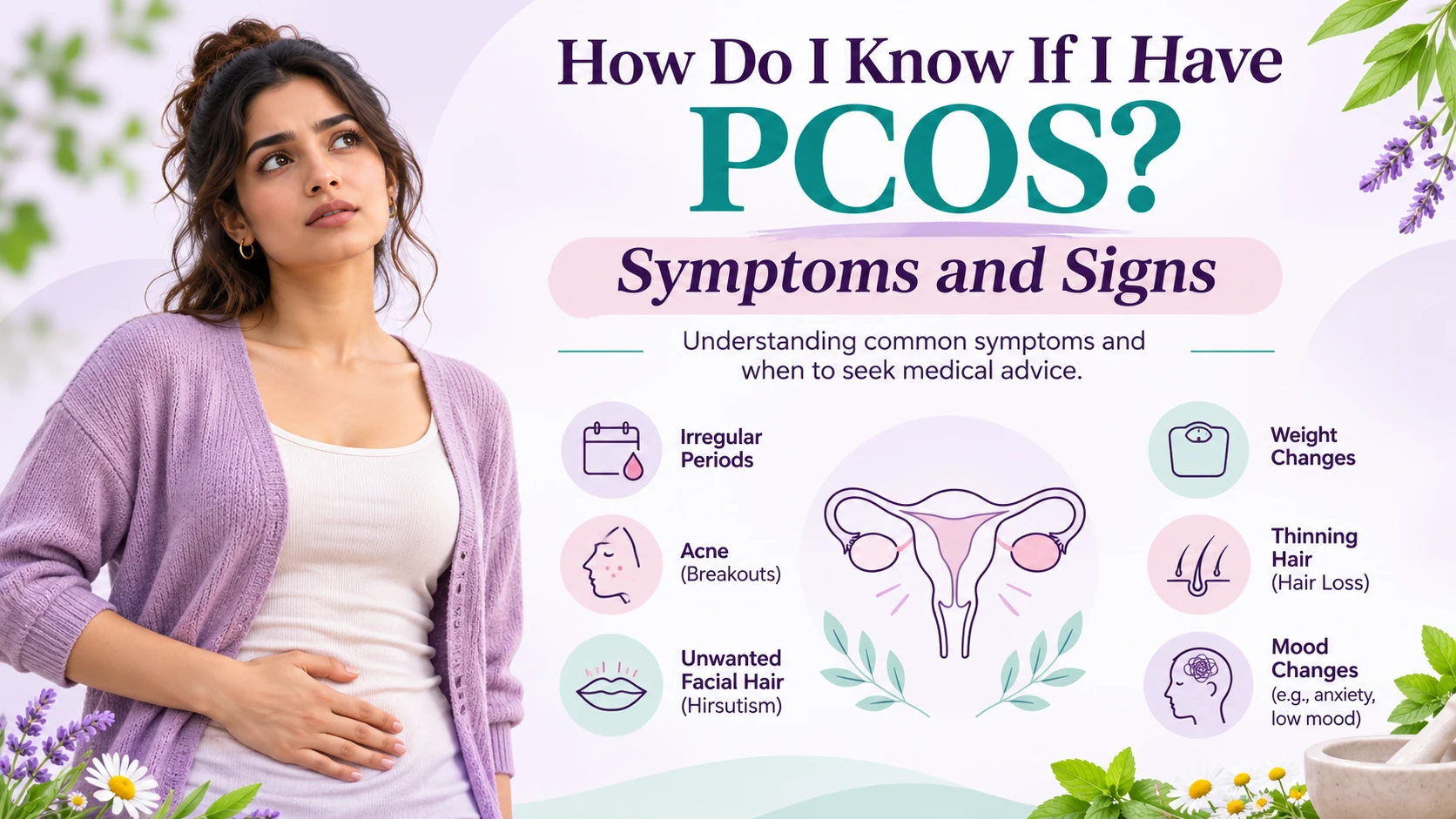
Polycystic Ovary Syndrome (PCOS) is one of the most common hormonal conditions affecting women of reproductive age, yet it is also one of the most frequently missed. Irregular periods, acne, unexplained weight gain, or extra hair growth are often brushed off as normal variation — until they stack up into a pattern that points to something hormonal.
This article walks through the symptoms that typically point to PCOS, how doctors actually diagnose it, what else can look similar, and what the first steps toward managing it look like.
What Is PCOS?
PCOS is a hormonal disorder in which the ovaries produce higher-than-normal levels of androgens (male hormones that women also make in small amounts). This hormonal imbalance interferes with ovulation and is closely linked to insulin resistance, meaning the body needs more insulin than usual to keep blood sugar in a normal range.
- It affects an estimated 1 in 10 women of reproductive age, though many remain undiagnosed for years.
- The name comes from the small fluid-filled sacs (follicles) that can form around the ovaries, though not every woman with PCOS actually has visible cysts.
- It is a spectrum condition — symptoms and severity vary widely from person to person.
Because PCOS touches hormones, metabolism, and ovulation all at once, its symptoms can show up in the skin, the cycle, and the scale at the same time, which is part of why it’s easy to mistake for several smaller, unrelated problems before the full picture comes together.
Common Signs and Symptoms
No single symptom confirms PCOS on its own, but a cluster of the following is a strong reason to get tested.
- Irregular or absent periods: Cycles longer than 35 days, fewer than 8 periods a year, or periods that stop altogether.
- Excess hair growth (hirsutism): Coarse hair on the face, chin, chest, or back, driven by higher androgen levels.
- Acne and oily skin: Often persistent adult acne along the jawline and chin that doesn’t respond well to typical treatments.
- Weight gain, especially around the abdomen: Linked to the insulin resistance that commonly accompanies PCOS.
- Thinning hair on the scalp: Male-pattern hair thinning, sometimes mistaken for stress-related hair loss.
- Dark skin patches: Velvety discoloration at the neck, armpits, or under the breasts (acanthosis nigricans), a visible marker of insulin resistance.
“PCOS rarely announces itself with one symptom — it’s usually the combination of an irregular cycle with skin or weight changes that should prompt a closer look.”
How Doctors Diagnose PCOS
There is no single blood test that confirms PCOS. Most doctors use the Rotterdam criteria, which requires at least two of three findings.
| Criterion | What It Looks For | How It’s Checked |
|---|---|---|
| Irregular ovulation | Infrequent, absent, or unpredictable periods | Menstrual history |
| Excess androgens | Clinical signs (acne, hirsutism) or elevated blood levels | Physical exam + blood test |
| Polycystic ovaries | Multiple small follicles visible on the ovaries | Pelvic ultrasound |
A full workup typically also includes blood tests for insulin resistance, thyroid function, and prolactin, since each of these can produce similar symptoms and needs to be ruled out before a PCOS diagnosis is confirmed.
Conditions That Can Look Like PCOS
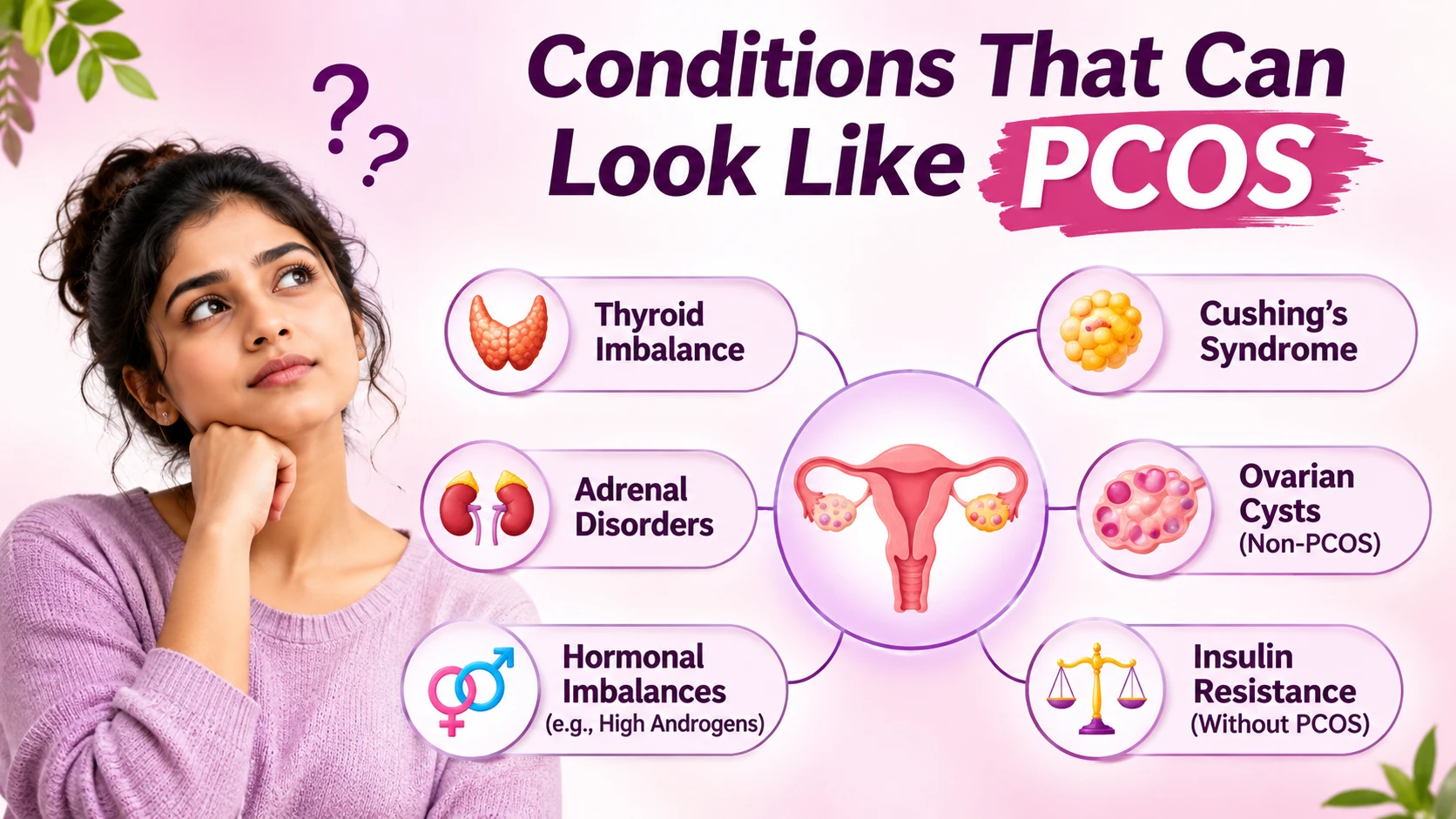
Several other conditions share symptoms with PCOS, which is why self-diagnosing from a symptom list alone isn’t reliable.
- Thyroid disorders: Both an underactive and overactive thyroid can disrupt cycles and affect weight.
- Hyperprolactinemia: Elevated prolactin can stop ovulation and mimic PCOS-related irregular periods.
- Non-classic adrenal hyperplasia: A genetic condition that also raises androgen levels and causes similar skin and hair symptoms.
When to See a Doctor
It’s worth booking an appointment rather than waiting out a few irregular cycles if any of the following apply.
- Periods have been absent or unpredictable for more than three months in a row.
- New or worsening acne, facial hair, or scalp thinning shows up alongside cycle changes.
- You’re trying to conceive and ovulation seems irregular or absent.
A gynecologist or endocrinologist can order the right panel of blood work and imaging in one visit, which is usually faster than working through symptoms one at a time with a general physician.
Managing PCOS Day to Day
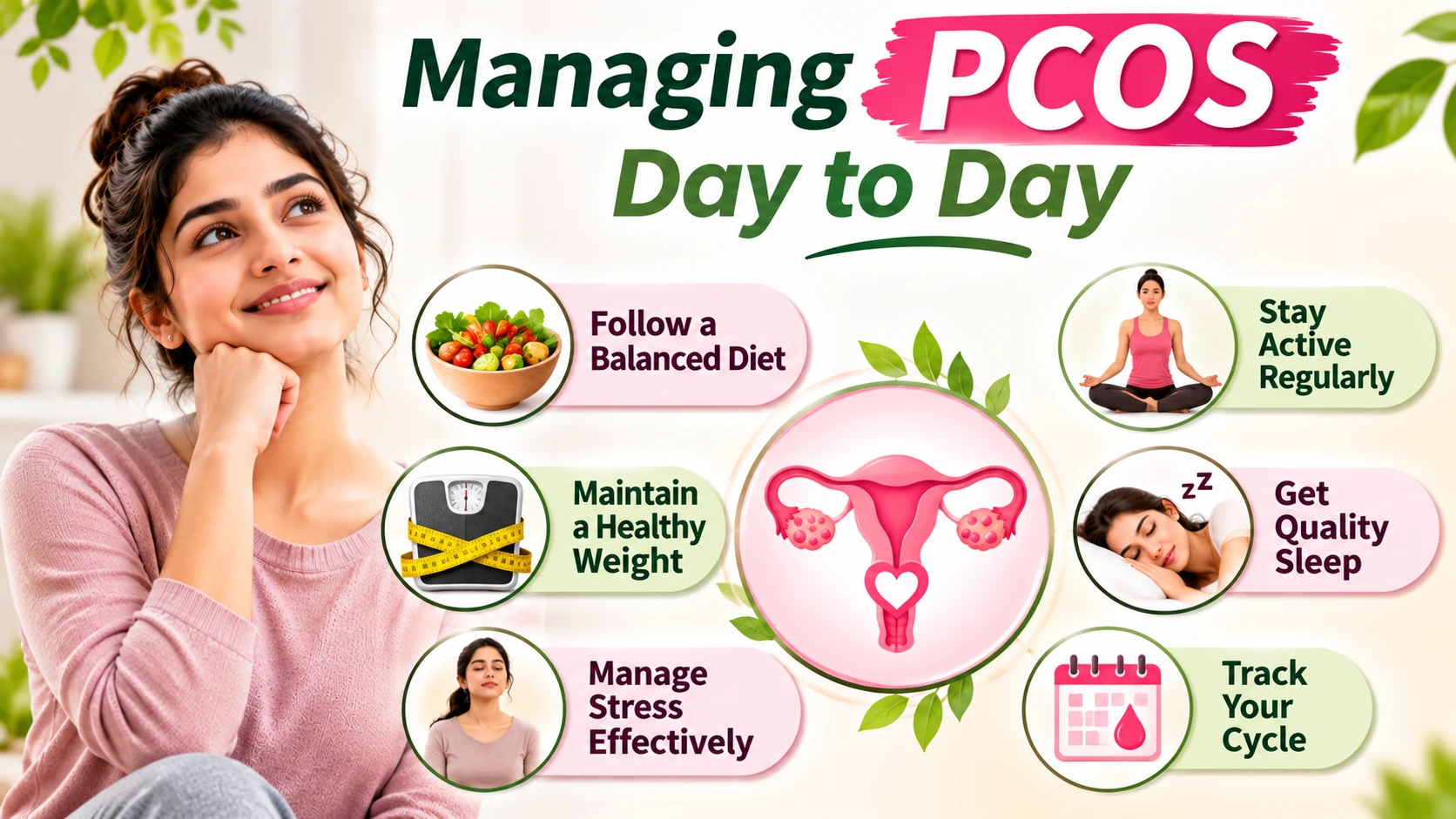
There’s no single cure for PCOS, but several approaches consistently help manage the underlying insulin resistance and hormone imbalance.
- Inositol supplementation: Myo-inositol has reasonable evidence for improving insulin sensitivity and supporting more regular ovulation.
- Strength and cardio exercise: Regular activity improves insulin sensitivity independent of weight loss.
- Balanced, lower-glycemic eating: Steadier blood sugar reduces the insulin spikes that worsen androgen-driven symptoms.
- Medical management: Depending on symptoms and whether pregnancy is a goal, doctors may prescribe metformin, anti-androgens like spironolactone, or hormonal birth control to regulate cycles.
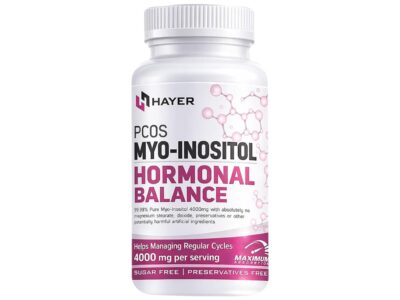
For women looking at supplement-based support for the insulin-resistance side of PCOS, options like the Hayer PCOS Myo-Inositol 4000mg Tablet or Pco Care Myo-Inositol Tablet are commonly used alongside lifestyle changes, ideally under medical guidance rather than on their own.
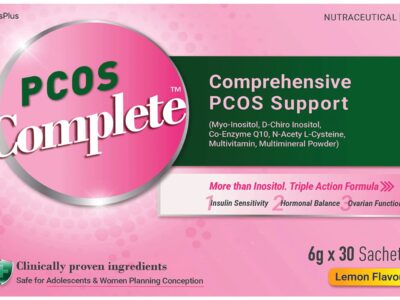
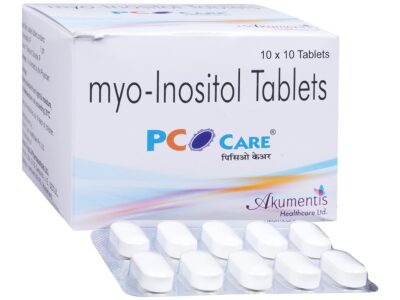
If you’re exploring the hormone side of PCOS further, our article on how estrogen affects weight covers how related hormonal shifts influence fat storage, and our Women Health category has the full range of related support options.
Frequently Asked Questions
Can you have PCOS with regular periods?
Yes. Some women with PCOS still ovulate fairly regularly but have elevated androgens or other symptoms like acne and hair growth — the diagnosis only needs two of the three Rotterdam criteria, not all three.
Does PCOS go away on its own?
PCOS is a chronic condition that doesn’t resolve on its own, but symptoms can be managed effectively with lifestyle changes, supplements, or medication, and many women see real improvement over time.
Can you have PCOS and still get pregnant?
Yes, though irregular ovulation can make conception harder. Many women with PCOS conceive naturally or with the help of ovulation-inducing treatment once the underlying insulin resistance is addressed.
Is PCOS the same as having ovarian cysts?
No. Ovarian cysts are a single physical finding, while PCOS is a broader hormonal syndrome that may or may not include visible cysts on an ultrasound.
What blood tests are used to check for PCOS?
Common tests include testosterone and other androgens, LH and FSH, fasting insulin and glucose, and thyroid and prolactin levels to rule out look-alike conditions.
Legal Disclaimer
This article is for general informational purposes only and is not a substitute for professional medical advice, diagnosis, or treatment. Always consult a qualified healthcare provider for proper testing and diagnosis before assuming you have PCOS or starting any supplement or medication for it.