











Sex is good for you in plenty of ways, but it also does one unglamorous thing: it pushes bacteria from the skin, the vulva, and sometimes the rectum toward the opening of the urethra. For a lot of people, especially women, that’s the single biggest trigger for a urinary tract infection (UTI). Peeing soon after sex is one of the simplest, free habits that lowers that risk — here’s the science behind it, who should care most, and when a UTI stops being a “drink more water” problem.
What Actually Happens When You Pee After Sex
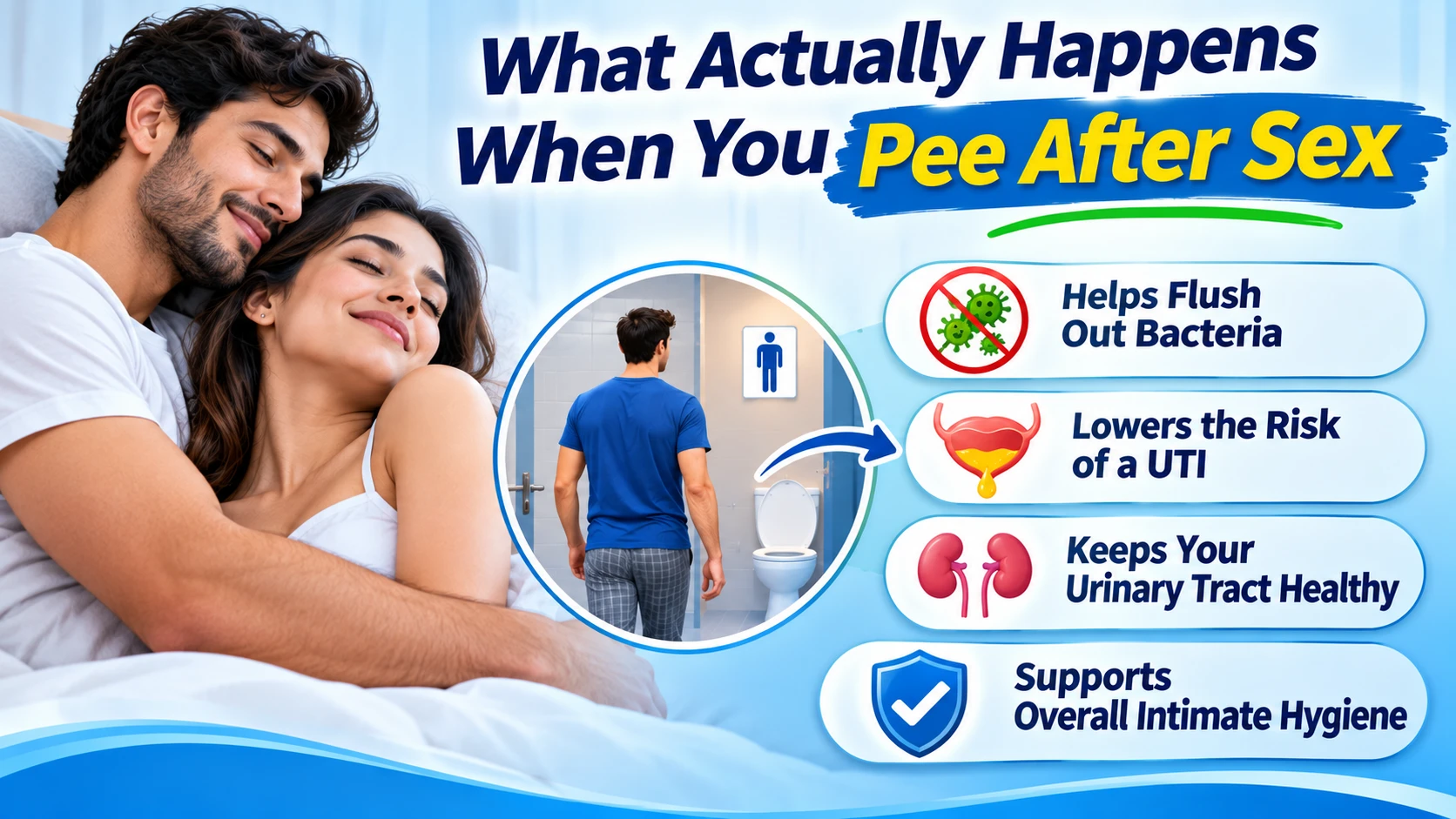
The urethra — the tube urine travels through — sits very close to the vagina and anus in female anatomy, and friction during sex can physically move bacteria like E. coli toward its opening. Once bacteria reach the urethra, they can climb upward into the bladder and start multiplying, which is how a simple UTI begins.
Urinating flushes the urethra from the inside out. The outward flow of urine mechanically washes away bacteria that got pushed toward the opening during intercourse, before they have a chance to attach to the urethral lining and travel further. It’s not a guarantee against infection, but it meaningfully cuts the odds, which is why gynecologists and urologists have recommended it for decades.
Men have their own version of this conversation — in male anatomy the urethra is longer, so bacterial UTIs from sex are less common, but post-ejaculation urination still clears the urethral tract and is worth doing for the same reason.
Who’s Most at Risk of UTIs After Sex
Peeing after sex matters more for some people than others. You’re at higher risk if:
- You’re female. A shorter urethra and its closeness to the vagina and anus make it far easier for bacteria to reach the bladder.
- You’ve had a UTI before. Recurrent UTIs are common — once the urinary tract has been infected, it’s more prone to it happening again.
- You use spermicide or a diaphragm, which can both irritate the urethra and change the natural bacterial balance of the vagina.
- You’re going through menopause. Lower estrogen thins the vaginal and urethral tissue, making it easier for bacteria to take hold.
- You’re pregnant, since hormonal and physical changes slow how completely the bladder empties.
None of this means sex itself is “unsafe” — it just means the simple habits below are worth building, especially if you fall into one of these groups.
How Soon Should You Pee After Sex?
Aim to urinate within 30 minutes of finishing, and sooner is better. The goal is to flush the urethra before bacteria have time to travel upward and settle in. If you don’t feel the urge right away, drinking a glass of water beforehand can help — a full bladder makes it much easier to go on cue.
Other Hygiene Habits That Lower UTI Risk
Peeing after sex works best alongside a few other habits:
- Wipe and wash front to back to avoid moving bacteria from the anus toward the urethra.
- Stay hydrated through the day, not just after sex — regular, complete bladder emptying is one of the best natural defenses against UTIs.
- Avoid holding in urine for long stretches, which gives any bacteria present more time to multiply.
- Choose breathable, cotton underwear and avoid staying in wet swimwear or sweaty gym clothes, since warm, damp environments favor bacterial growth.
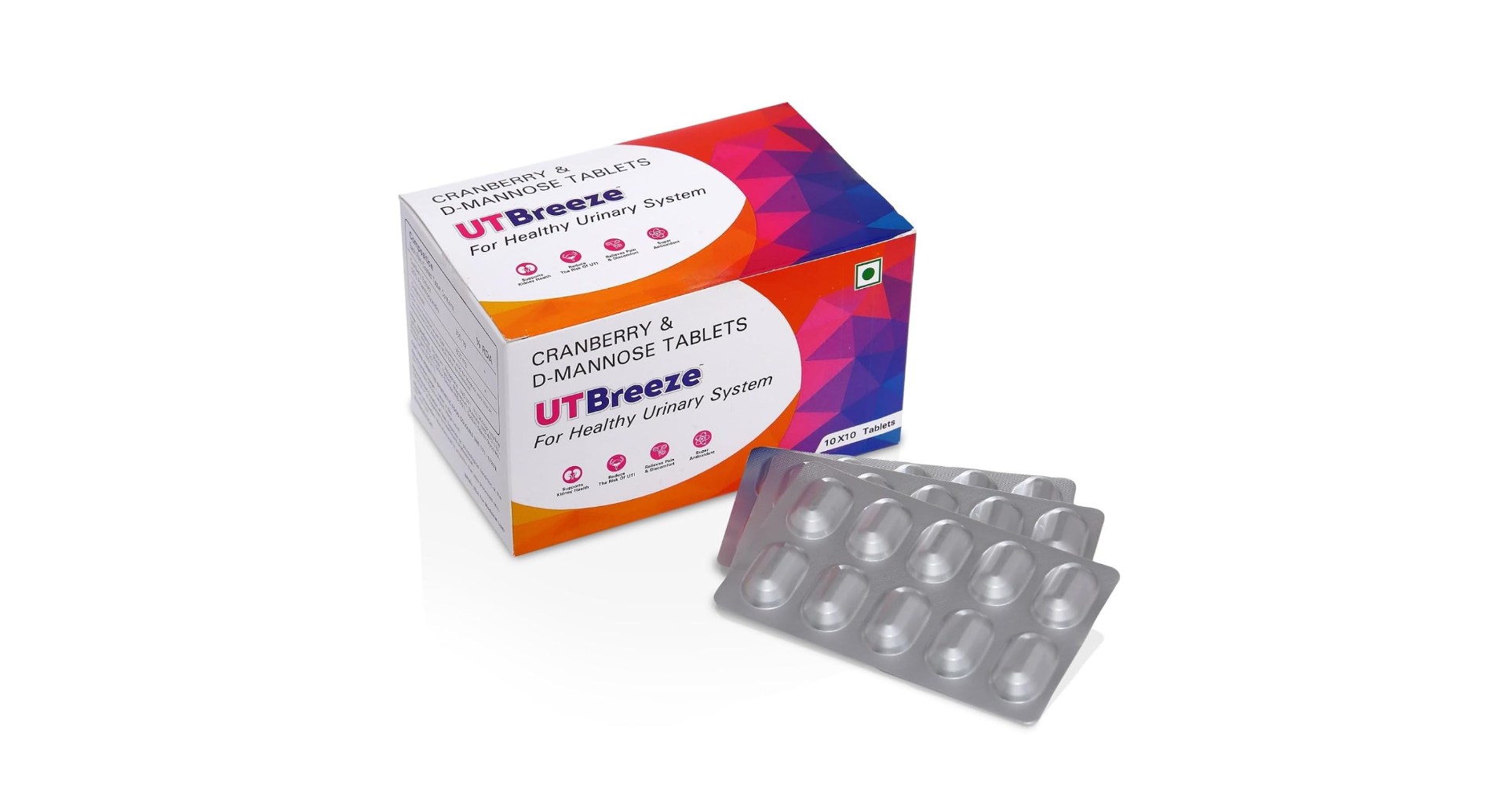
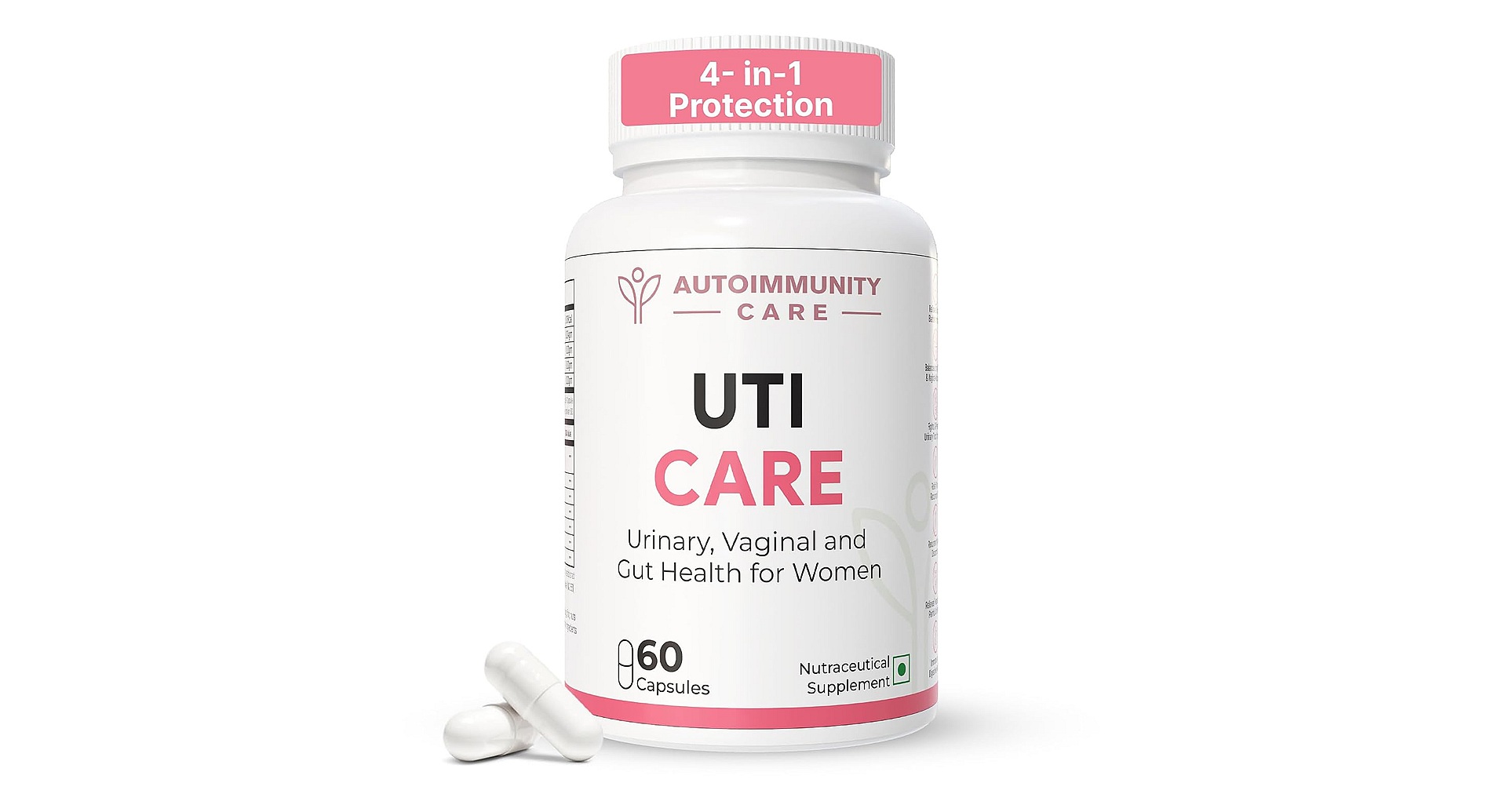
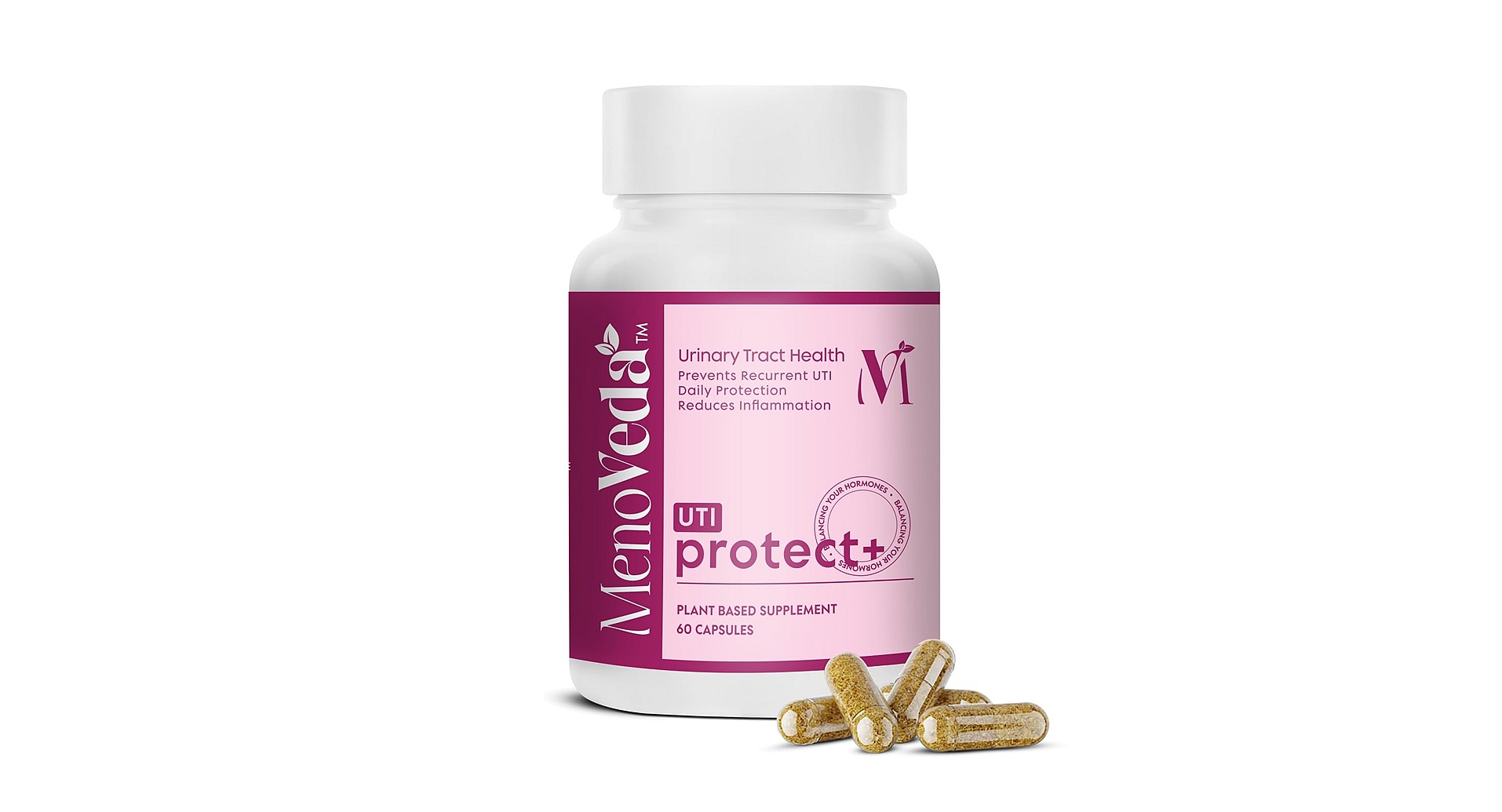
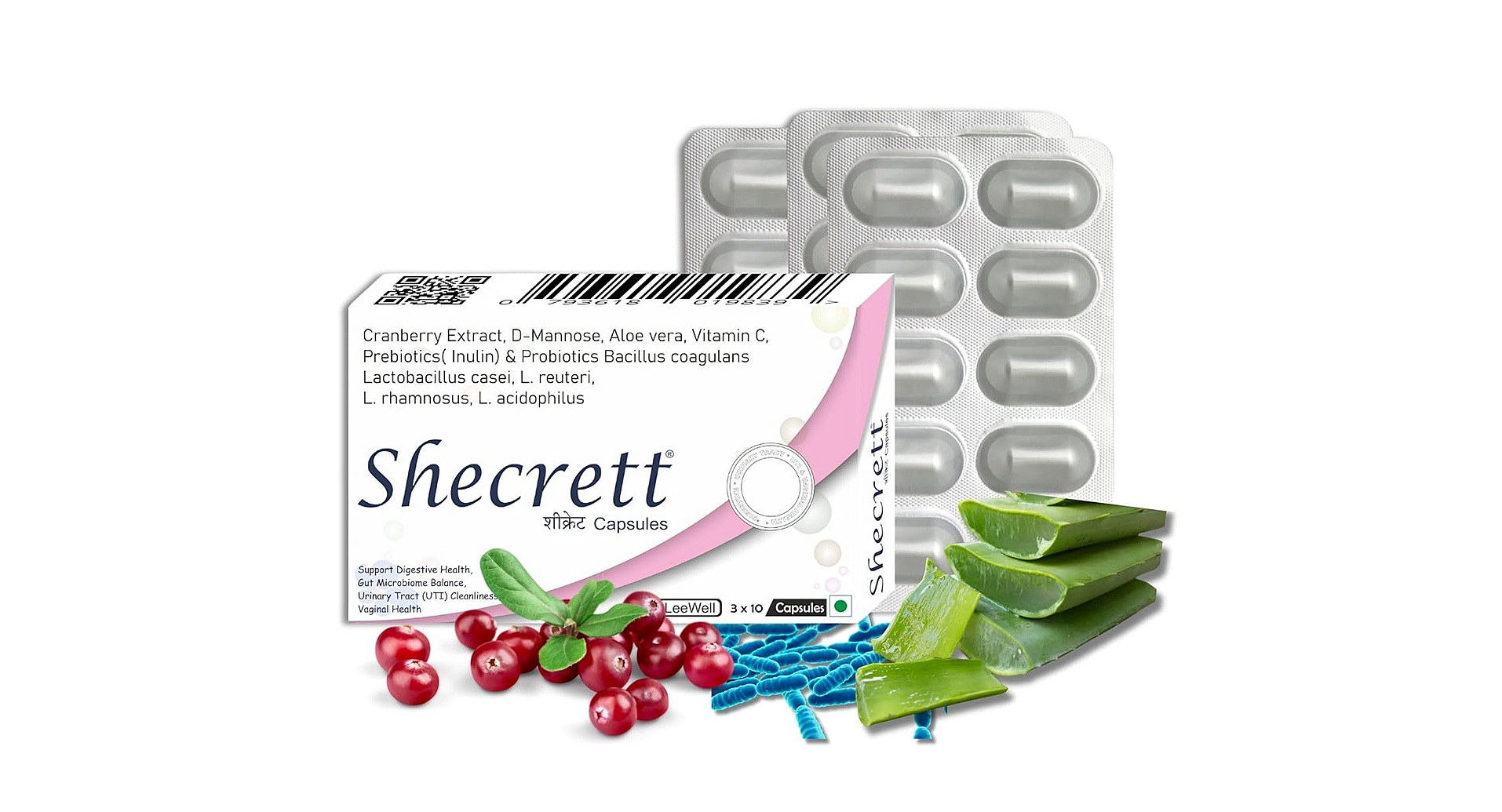
- Consider a cranberry or D-mannose supplement if you’re prone to recurrent UTIs — D-mannose in particular is thought to stop certain bacteria from sticking to the bladder wall, and some people combine it with a probiotic that supports a healthy vaginal and urinary microbiome.
Warning Signs of a UTI You Shouldn’t Ignore
Even with good habits, UTIs can still happen. Watch for:
- A burning or stinging feeling when you urinate
- A frequent, urgent need to pee, even right after you’ve just gone
- Cloudy, strong-smelling, or pink-tinged urine
- Pressure or cramping low in the pelvis or lower back
When to See a Doctor
A single mild UTI sometimes clears up with fluids and time, but don’t wait it out if:
- Symptoms last more than a day or two, or keep coming back
- You see blood in your urine
- You’re pregnant and notice any UTI symptoms at all
- You have fever, chills, or back/flank pain alongside urinary symptoms
A doctor can confirm a UTI with a simple urine test and prescribe antibiotics when needed — untreated UTIs can spread to the kidneys and become far more serious.
Frequently Asked Questions
Does peeing after sex prevent all UTIs?
No. It lowers the risk by flushing bacteria out of the urethra, but it isn’t a guarantee. Other factors — anatomy, hormones, hydration, and overall urinary health — all play a role too.
Is it bad to pee immediately after sex?
Not at all. There’s no medical downside to urinating right after sex, and doing so is specifically recommended to reduce UTI risk.
Can men get UTIs from not peeing after sex?
It’s possible but much less common, since the male urethra is longer and bacteria have farther to travel. It’s still a good habit — see our related piece on why men should pee after ejaculation.
What if I can’t pee right after sex?
Try drinking water beforehand so you have a fuller bladder, and avoid holding it in for long periods afterward. If you consistently can’t go, that’s worth mentioning to a doctor.
Do cranberry supplements actually help with UTIs?
Cranberry and D-mannose are thought to make it harder for certain bacteria to stick to the walls of the urinary tract, which may help lower the frequency of recurrent UTIs. They’re a supportive habit, not a replacement for antibiotics once an infection has set in.
Legal Disclaimer
This article is for general educational purposes only and is not a substitute for professional medical advice, diagnosis, or treatment. Always consult a qualified healthcare provider about your specific symptoms, medical history, or before starting any new supplement. If you suspect you have a UTI or are experiencing severe symptoms, seek medical care promptly.