










How to Get Rid of Bacterial Pink Eye Quickly and Safely
Waking up with a crusty, red, gooey eye is one of those things that makes you want an answer immediately — is this bacterial pink eye, and how fast can it actually go away? The good news is that bacterial conjunctivitis, while contagious and uncomfortable, usually clears up within a week once it’s treated correctly. The key is knowing how to tell it apart from the viral or allergic kind, treating it properly from day one, and taking a few simple hygiene steps so it doesn’t spread to your other eye or to people around you.
What Is Bacterial Pink Eye?
Pink eye (conjunctivitis) is inflammation of the conjunctiva — the thin, clear membrane covering the white of the eye and the inside of the eyelid. When bacteria such as Staphylococcus, Streptococcus, or Haemophilus influenzae infect this membrane, it swells, turns red, and produces a thick discharge as the body fights the infection.
Bacterial conjunctivitis is one of three main types of pink eye, alongside viral and allergic conjunctivitis. Telling them apart matters because the right treatment is different for each — antibiotics help bacterial pink eye but do nothing for a virus, and antihistamines help allergies but not an infection.
Quick Facts
- Thick, yellow or greenish discharge that re-crusts the eyelids shut after sleep is the hallmark sign of bacterial conjunctivitis, distinguishing it from the watery discharge of viral or allergic pink eye.
- Bacterial pink eye is contagious through direct contact with eye discharge or contaminated surfaces (towels, pillowcases, doorknobs) until treatment has been used for 24–48 hours.
- Most cases resolve within 7–10 days, often faster with antibiotic eye drops or ointment started early.
- It usually starts in one eye and can spread to the other within a few days if hands or shared items transfer the bacteria.
- Mild cases can sometimes clear on their own, but antibiotic treatment shortens the illness, reduces contagious spread, and lowers the small risk of complications.
Signs That Point to Bacterial (Not Viral or Allergic) Pink Eye
| Feature | Bacterial | Viral | Allergic |
|---|---|---|---|
| Discharge | Thick, yellow/green, crusts shut | Watery, mucous-like | Watery, stringy |
| Eyes affected | Starts in one, may spread | Often starts in one | Usually both at once |
| Other symptoms | Eyelid crusting on waking | Cold symptoms, swollen lymph node | Itching, sneezing |
| Typical cause | Bacteria | Virus (e.g. adenovirus) | Pollen, dust, pet dander |
If your main complaint is an eye that’s glued shut with yellow crust every morning, bacterial infection is the most likely explanation and antibiotic treatment is appropriate.
How to Get Rid of Bacterial Pink Eye Quickly
1. Start an Antibiotic Eye Drop or Ointment Early
Topical antibiotics are the standard treatment for bacterial conjunctivitis and usually bring visible improvement within 2–3 days. Common options include:
- Fluoroquinolone drops (ciprofloxacin, moxifloxacin, gatifloxacin, tobramycin) — broad-spectrum and widely used as first-line treatment for bacterial eye infections.
- Chloramphenicol drops or ointment — an effective, inexpensive broad-spectrum option, often applied as an ointment at bedtime since it stays on the eye longer overnight.
- Combination antibiotic-steroid drops — sometimes prescribed by an eye doctor for more inflamed cases, but these should only be used under medical supervision since steroids can worsen an undiagnosed viral or fungal infection.
Follow the prescribed dosing schedule fully, even after the eye starts looking better — stopping early is one of the most common reasons bacterial conjunctivitis lingers or comes back.
2. Clean the Eye Gently Several Times a Day
- Use a clean, soft cloth or sterile gauze soaked in warm water to gently wipe away crust and discharge, wiping from the inner corner outward.
- Use a fresh cloth for each eye, and a fresh one each time, to avoid cross-contaminating the unaffected eye.
- Never reuse a cloth or cotton pad — discard it immediately after use.
3. Use Lubricating Drops for Comfort
Artificial tears or lubricating eye drops don’t treat the infection itself, but they soothe irritation, help flush out discharge between antibiotic doses, and make the eye feel considerably less gritty while it heals.
4. Stop Wearing Contact Lenses Until It Clears
Contact lenses — and their cases — can harbor bacteria and re-infect the eye or prolong healing. Switch to glasses until your eye doctor confirms the infection is fully resolved, and replace your lens case and solution afterward rather than reusing them.
5. Avoid Touching or Rubbing the Eye
Touching a bacterial infection spreads it to the other eye and to anything else you touch next. Wash your hands immediately before and after applying any drops or ointment, and before touching your face at all while infected.
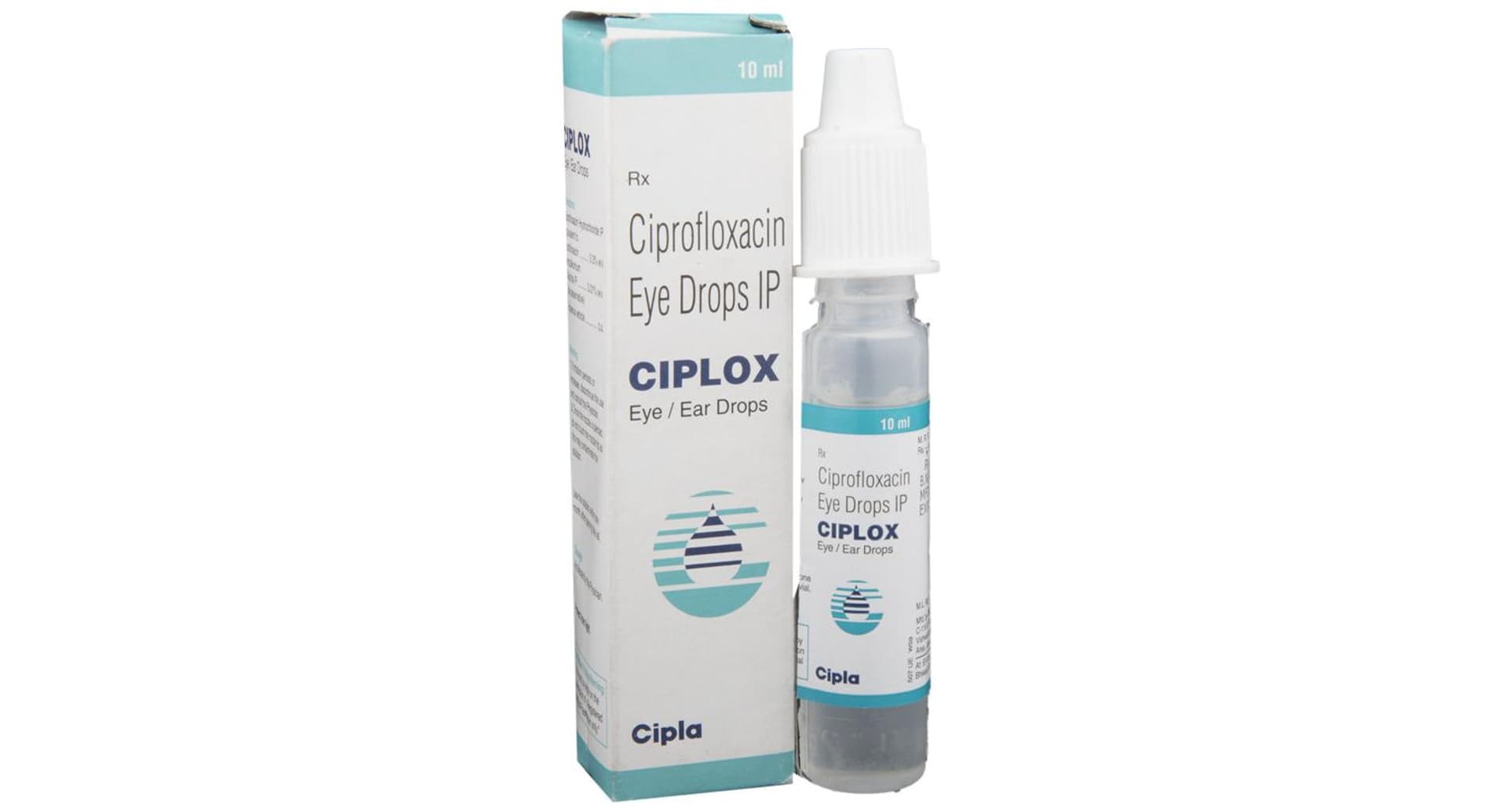
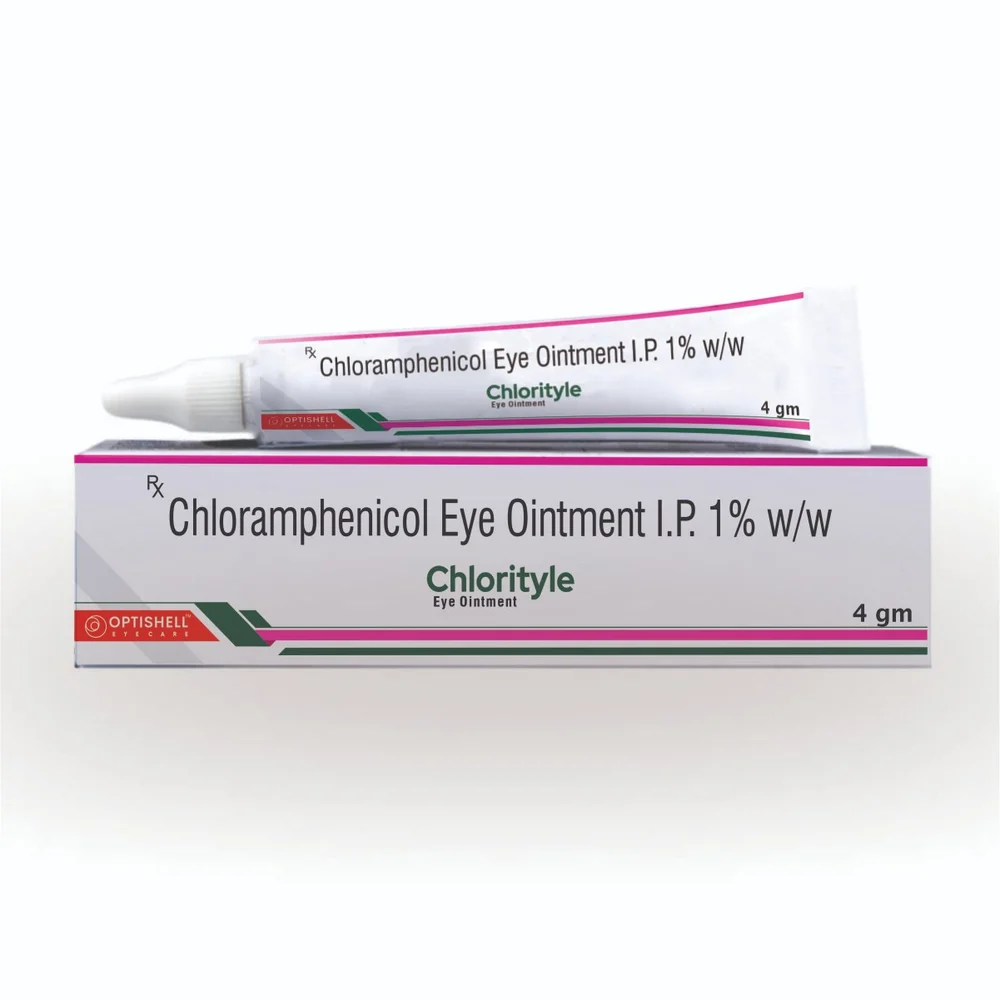
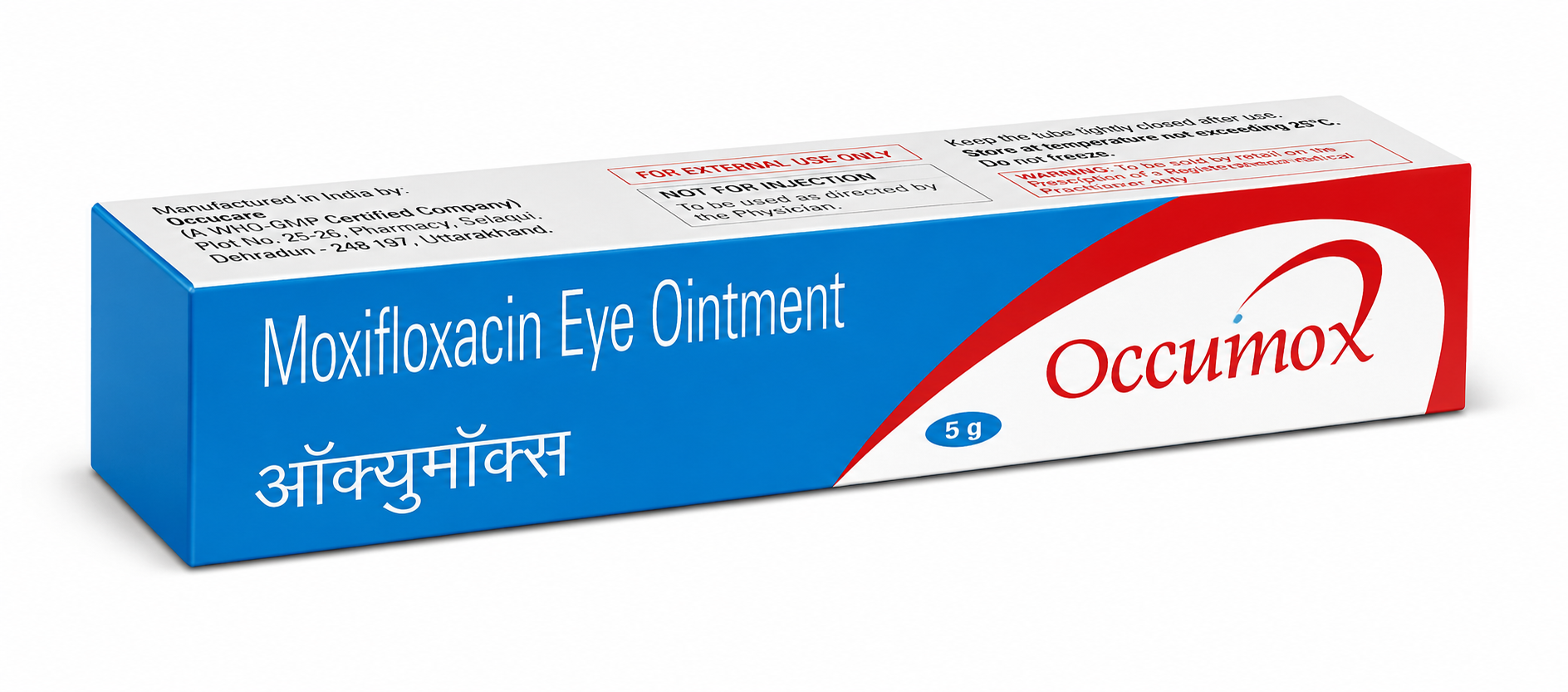
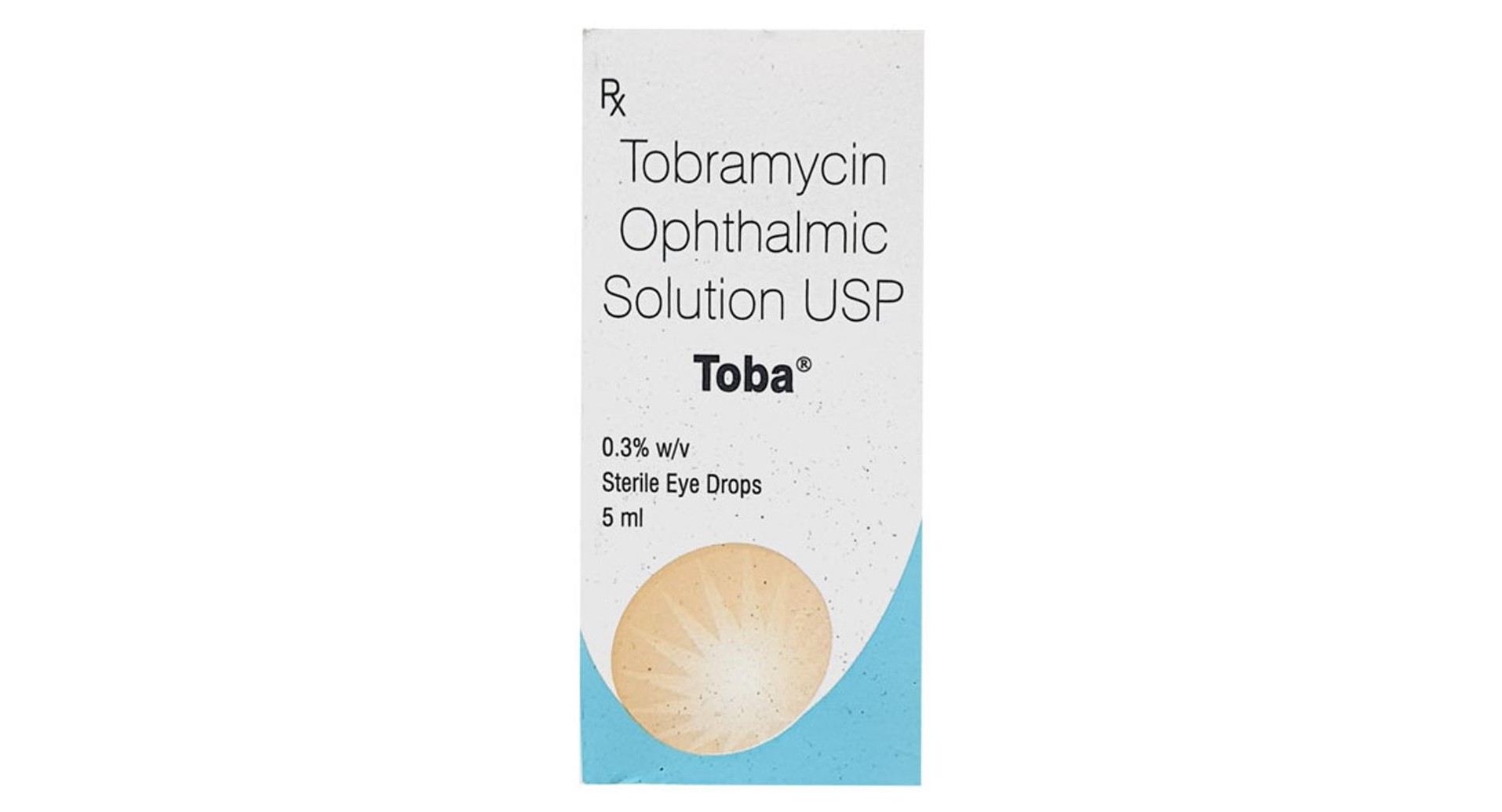
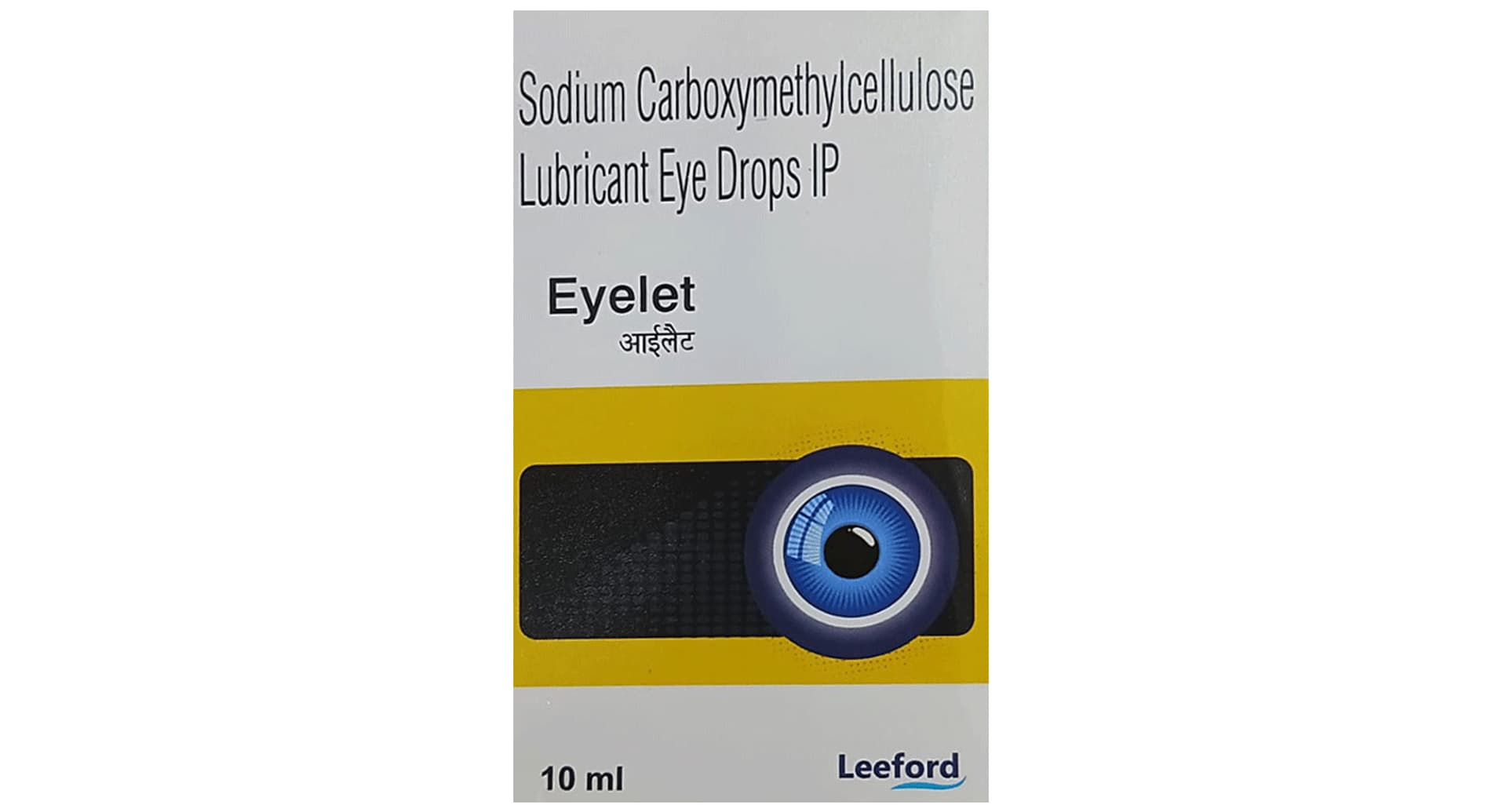
Important safety note: Antibiotic eye drops and ointments are medicated treatments. Choosing the right one depends on your specific symptoms and, ideally, a doctor’s or pharmacist’s confirmation that the infection is bacterial. Combination steroid-antibiotic drops in particular should never be self-prescribed.
Preventing It From Spreading
Bacterial conjunctivitis spreads easily within households and workplaces. These steps limit transmission while you heal:
- Wash hands frequently, especially after touching your eyes or applying treatment.
- Avoid sharing towels, pillowcases, washcloths, or eye makeup — and don’t use your own eye makeup again until the infection is gone and the products are replaced.
- Change pillowcases daily while infected.
- Stay home from school or work until a doctor confirms you’re no longer contagious — typically 24 hours after starting antibiotic treatment.
- Disinfect frequently touched surfaces like phone screens, doorknobs, and light switches.
How Long Does Bacterial Pink Eye Last?
With antibiotic treatment, most people see clear improvement within 2–3 days and full resolution within a week. Untreated, bacterial conjunctivitis can take 1–2 weeks to clear on its own and carries a higher chance of spreading to the other eye or to other people in the meantime — which is why starting treatment promptly matters even though the infection is rarely dangerous.
When to See a Doctor
Book an appointment if you notice:
- Eye pain rather than just irritation or grittiness
- Any change in vision, including blurring
- Significant light sensitivity
- Symptoms that haven’t improved after 2–3 days of treatment
- Swelling that spreads to the eyelid or around the eye socket
- Recurrent episodes of pink eye
A doctor can confirm the diagnosis, rule out more serious causes, and adjust treatment — including ordering an eye swab culture in cases that don’t respond to standard antibiotics.
Frequently Asked Questions
How can I tell if my pink eye is bacterial and not viral?
Bacterial conjunctivitis typically produces thick, yellow or green discharge that crusts the eyelids shut overnight, while viral conjunctivitis tends to cause watery discharge and often comes with cold-like symptoms. When it’s unclear, a doctor or pharmacist can help confirm which type you have.
Is bacterial pink eye contagious?
Yes, it spreads easily through contact with eye discharge or contaminated surfaces. It’s generally considered contagious until 24–48 hours of antibiotic treatment have passed, or until all discharge has cleared if left untreated.
Can bacterial pink eye go away without antibiotics?
Mild cases sometimes clear on their own within 1–2 weeks, but antibiotic treatment speeds recovery, reduces the contagious period, and lowers the chance of complications, which is why it’s generally recommended rather than waiting it out.
Can I wear makeup or contact lenses while treating pink eye?
No. Avoid contact lenses and eye makeup until the infection has fully cleared and your doctor confirms it’s safe to resume — and replace any makeup or lens accessories that touched the infected eye rather than reusing them.
Should I cover my eye with a patch while it heals?
No, an eye patch isn’t recommended for bacterial conjunctivitis — it can trap bacteria against the eye and create a warmer, more favorable environment for the infection to worsen.
Medical Disclaimer
This article is for general educational and informational purposes only and does not constitute medical advice. Eye infections can have several causes that look similar to the naked eye, and only a qualified doctor or eye care professional can accurately diagnose the type of conjunctivitis you have and recommend the right treatment. Seek prompt medical care for eye pain, vision changes, or symptoms that aren’t improving.