










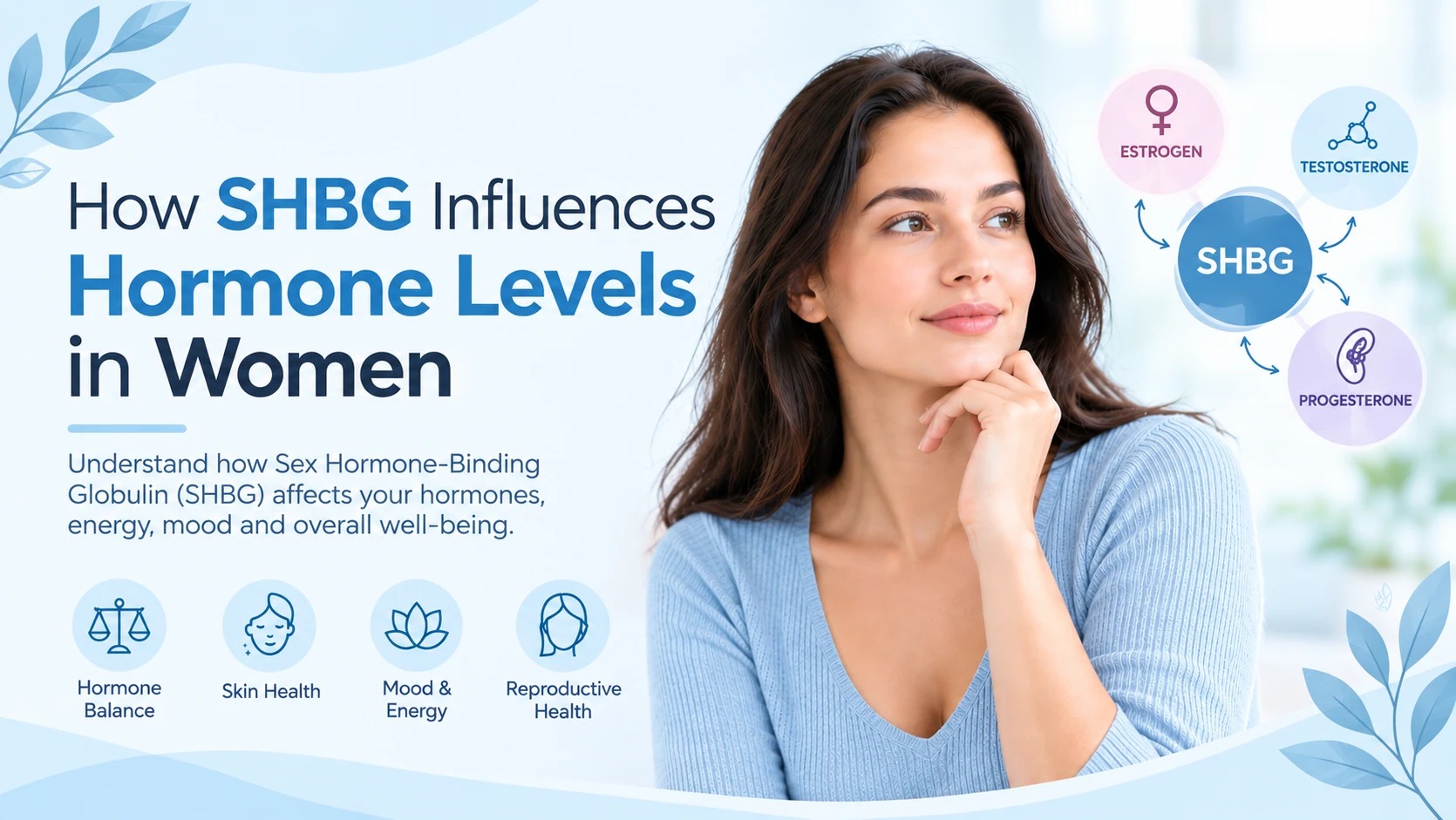
How SHBG Influences Hormone Levels in Women
Most women have never heard of Sex Hormone Binding Globulin (SHBG) — yet this single liver-made protein quietly decides how much of your estrogen and testosterone is actually available for your body to use. Two women can have identical total hormone levels on a lab report and feel completely different, simply because their SHBG is different. Understanding SHBG helps explain irregular cycles, unexplained hair growth or hair loss, stubborn weight changes, low libido, and even fertility struggles that standard hormone panels alone can’t fully account for.
What Exactly Is SHBG?
SHBG is a protein produced mainly by the liver that binds tightly to sex hormones — primarily testosterone and estradiol — as they travel through the bloodstream. When a hormone is bound to SHBG, it is biologically inactive; it cannot enter cells or bind to hormone receptors. Only the small “free” or unbound fraction of a hormone is actually available to act on tissues.
This means your total hormone level and your usable hormone level can tell two very different stories. A blood test might show normal total testosterone, but if SHBG is very high, free testosterone can still be too low to support energy, libido, and muscle tone. Conversely, low SHBG lets more hormone circulate freely — which can drive symptoms of excess androgen even when total testosterone looks unremarkable.
Quick Facts
- SHBG acts like a transport and storage protein — it binds estrogen and testosterone and controls how much is “free” and biologically active at any given moment.
- Only 1–2% of testosterone and about 2–3% of estradiol circulate unbound (free) in most people — the rest is bound to SHBG or, to a lesser degree, albumin.
- High SHBG can produce symptoms of low hormone activity (fatigue, low libido, mood changes) even with normal total hormone levels.
- Low SHBG is strongly linked to insulin resistance and PCOS, and often shows up alongside acne, excess facial/body hair, and irregular periods.
- Liver health, thyroid function, insulin levels, and estrogen exposure (including hormonal birth control) all directly raise or lower SHBG.
How SHBG Affects Hormone Availability in Women
Because SHBG determines how much estrogen and testosterone are free to act on tissue, changes in SHBG can shift a woman’s functional hormone balance without total hormone levels moving at all.
- Higher SHBG → less free hormone available. Even if the ovaries and adrenal glands are producing normal amounts of estrogen and testosterone, a large share gets “locked up” by SHBG, leaving less to reach receptors in the brain, skin, bone, and reproductive tissue.
- Lower SHBG → more free hormone available. More unbound testosterone and estrogen circulate and act on tissues, which can intensify androgen-driven symptoms if testosterone production is already on the higher side.
- **SHBG shifts the ratio, not just the amount.** Because SHBG binds testosterone more tightly than estradiol, a drop in SHBG raises free testosterone proportionally more than free estrogen — which is why low-SHBG states are so often linked with androgen excess symptoms in women specifically.
This is why doctors increasingly look at free androgen index (FAI) — a ratio of total testosterone to SHBG — rather than total testosterone alone when evaluating symptoms like hirsutism, acne, or irregular cycles.
Conditions and Factors That Change SHBG Levels
What Lowers SHBG
- Insulin resistance and PCOS: High circulating insulin directly suppresses the liver’s SHBG production, one of the key mechanisms behind the androgen excess seen in polycystic ovary syndrome.
- Obesity, especially central/abdominal fat: Associated with higher insulin levels and lower SHBG, compounding hormonal symptoms.
- Hypothyroidism (underactive thyroid): Thyroid hormone is needed for normal SHBG production by the liver, so low thyroid function tends to lower SHBG.
- Type 2 diabetes and metabolic syndrome: Share the same insulin-driven mechanism that suppresses SHBG.
- High-androgen states: Elevated testosterone itself can further suppress SHBG production, creating a self-reinforcing cycle in conditions like PCOS.
What Raises SHBG
- Estrogen exposure, including combined hormonal birth control: Oral estrogen strongly stimulates liver SHBG production — this is one reason some women on combination pills notice reduced libido, since more free testosterone gets bound up.
- Pregnancy: Estrogen surges during pregnancy dramatically raise SHBG, often several-fold above baseline.
- Hyperthyroidism (overactive thyroid): Excess thyroid hormone increases SHBG production.
- Aging and menopause transition: SHBG changes are variable here — some women see it rise as ovarian hormone production declines and the hormonal environment shifts.
- Liver disease and certain medications: Some anticonvulsants and other liver-metabolized drugs can also raise SHBG.
Supporting Healthy Hormone Balance
Because SHBG is so closely tied to insulin sensitivity, thyroid function, and liver health, many of the same lifestyle strategies that support metabolic health also help keep SHBG — and therefore free hormone levels — in a healthy range:
- Managing insulin sensitivity through regular physical activity, a lower-glycemic diet, and maintaining a healthy body composition can help normalize SHBG in women with PCOS or insulin resistance.
- Getting thyroid function checked when symptoms like fatigue, hair thinning, or cycle changes appear, since thyroid imbalance is an under-recognized driver of abnormal SHBG.
- Reviewing hormonal contraceptive choices with a doctor if low libido or other estrogen-related side effects appear, since different formulations affect SHBG differently.
- Supporting liver health, since the liver is where SHBG is actually synthesized — alcohol intake, certain medications, and liver conditions can all influence output.
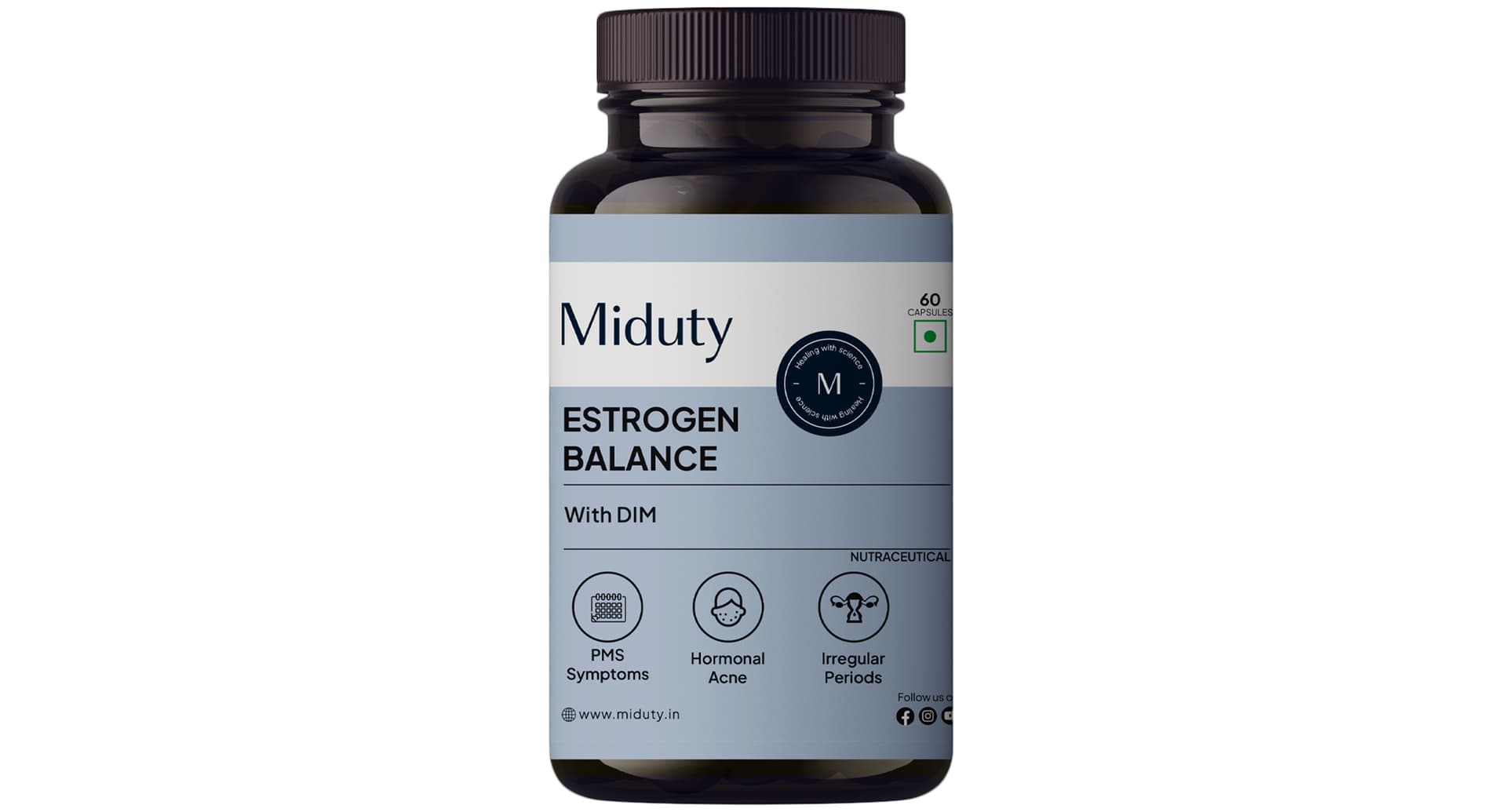
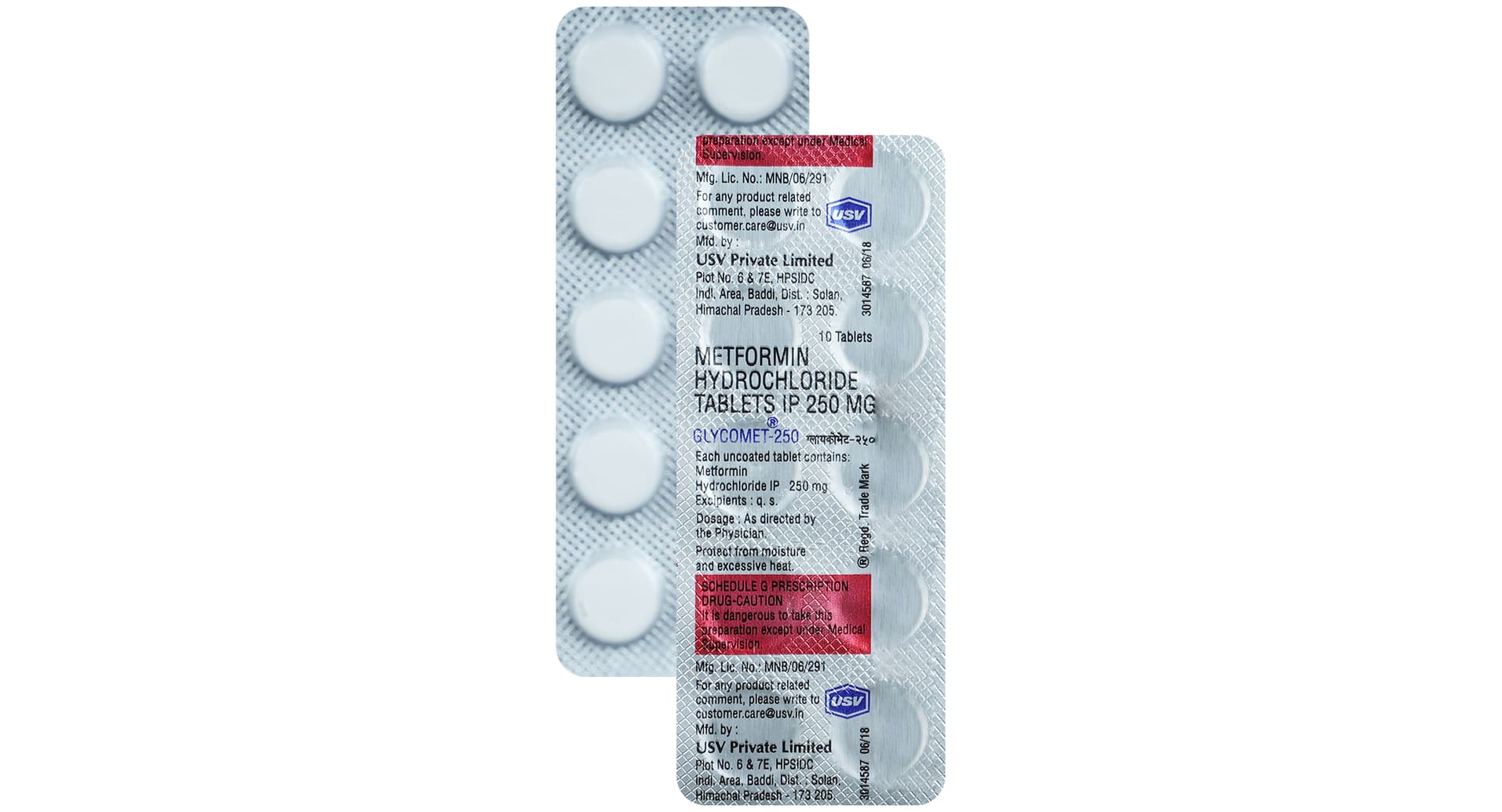
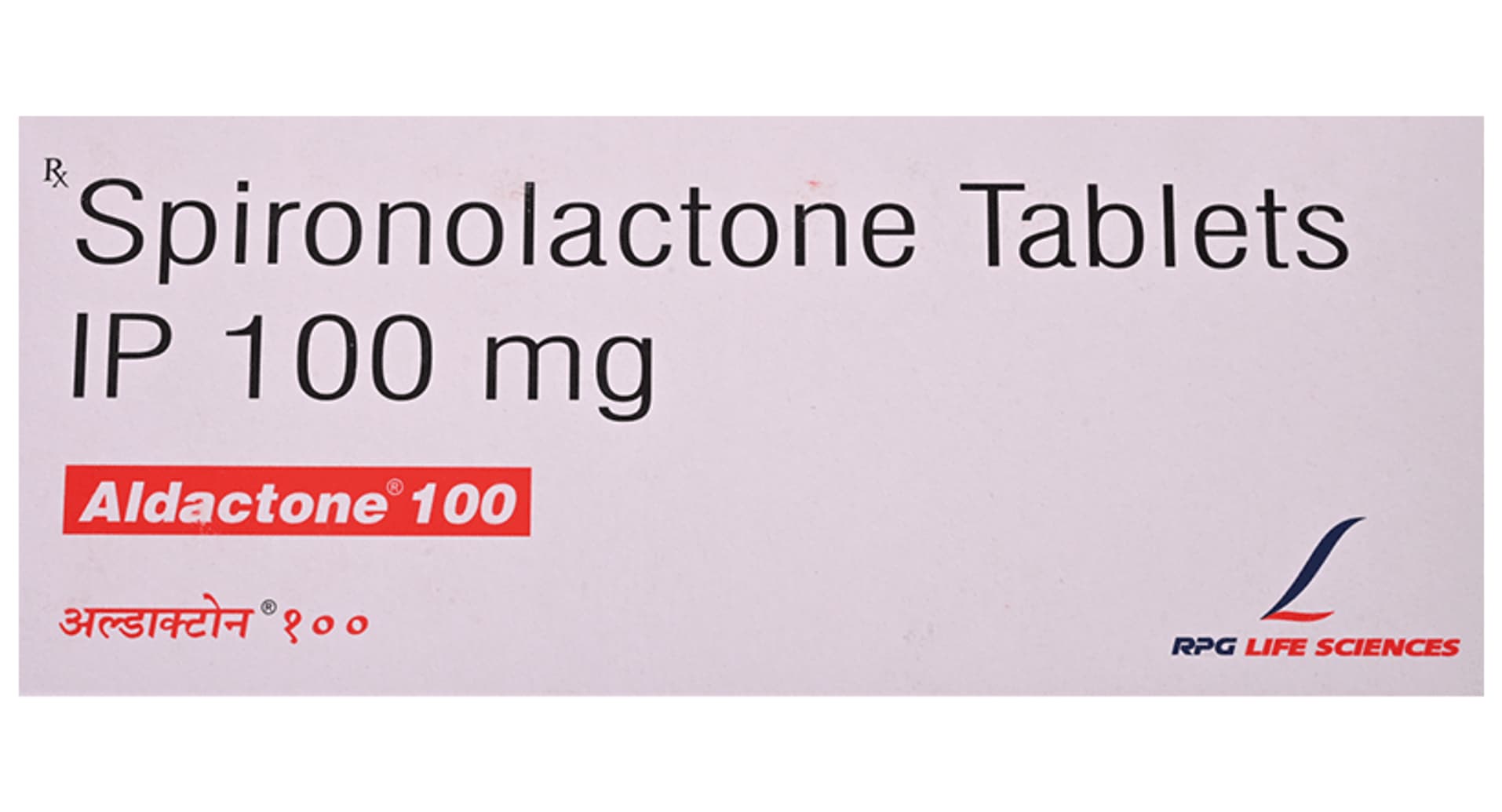
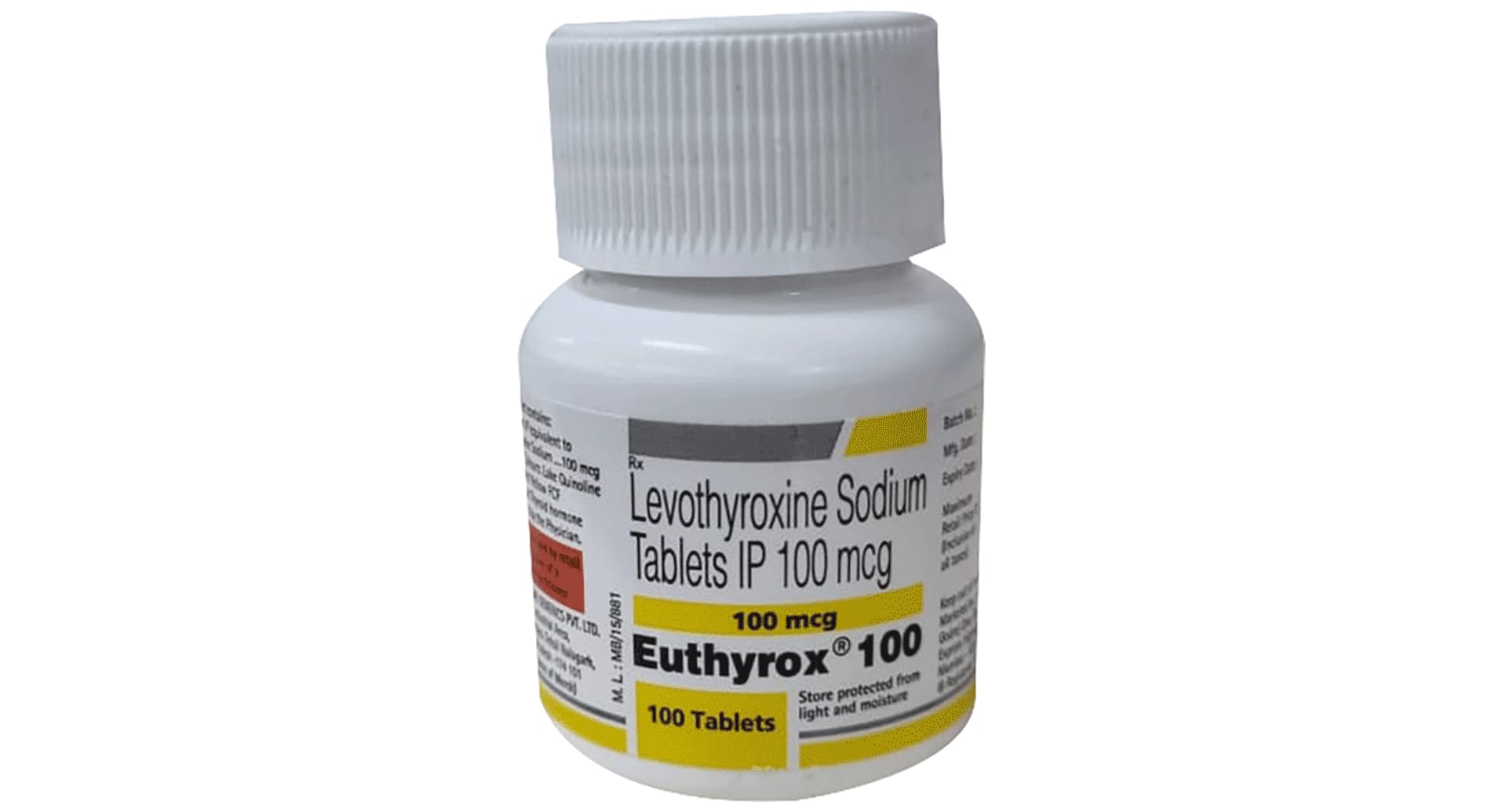
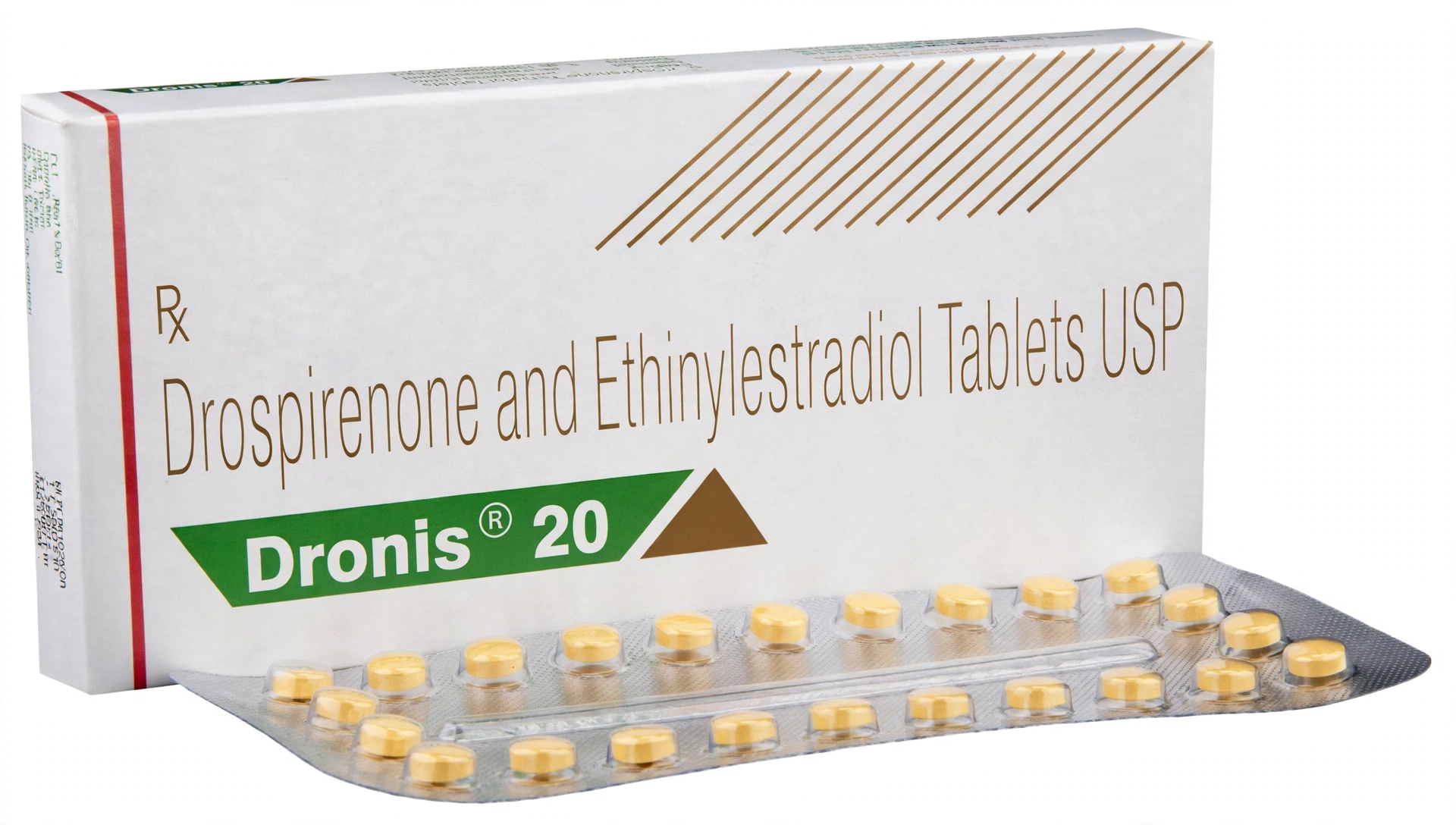
Important safety note: medications such as metformin (used for insulin resistance), spironolactone (an anti-androgen), and thyroid hormone replacement are prescription treatments that directly influence SHBG and hormone balance. These should only be started, changed, or stopped under the supervision of a doctor who has reviewed your bloodwork and medical history.
When to See a Doctor
Consider scheduling an evaluation if you notice:
- Irregular, infrequent, or absent periods
- New or worsening acne, or excess facial/body hair growth
- Unexplained hair thinning on the scalp
- Persistent fatigue, low libido, or mood changes without an obvious cause
- Difficulty conceiving alongside any of the symptoms above
A doctor can order the right panel — often total and free testosterone, SHBG, thyroid function, and fasting insulin or glucose — to identify whether an SHBG imbalance is contributing to your symptoms and to guide appropriate treatment.
Frequently Asked Questions
Can I test my SHBG level directly?
Yes. SHBG can be measured with a simple blood test, usually ordered alongside total and free testosterone (or a free androgen index calculation) when a doctor is investigating symptoms like irregular cycles, acne, hirsutism, or low libido.
Does low SHBG always mean I have PCOS?
Not necessarily, but low SHBG is one of the most consistent findings in PCOS and is closely tied to insulin resistance. A doctor will typically look at your full symptom picture — cycle regularity, ultrasound findings, and other hormone levels — before making a PCOS diagnosis.
Can birth control pills be used to manage SHBG-related symptoms?
Combined hormonal contraceptives raise SHBG and can reduce symptoms of androgen excess like acne and excess hair growth in some women. However, they can also lower libido in others by reducing free testosterone. The right approach depends on individual symptoms and should be discussed with a doctor.
Does SHBG change at menopause?
Yes, SHBG levels can shift during the menopause transition as ovarian estrogen production declines, though the pattern varies between individuals. This is one reason hormone-related symptoms can feel unpredictable during perimenopause.
Can diet and exercise really change SHBG levels?
Yes, particularly in women with insulin resistance or PCOS. Improving insulin sensitivity through diet, regular exercise, and, where appropriate, weight management has been shown to raise SHBG and can help reduce symptoms linked to excess free androgens.
Medical Disclaimer
This article is for general educational and informational purposes only and does not constitute medical advice. SHBG imbalances can stem from many different underlying conditions, and only a licensed healthcare provider can accurately interpret your bloodwork and recommend appropriate treatment. Do not start, stop, or change any medication or supplement without consulting a qualified doctor.