











Why Erectile Dysfunction Can Be an Early Warning Sign for Your Heart
Erectile dysfunction (ED) is often treated as a standalone, private issue — something to fix quietly with a pill and move on. But a growing body of research shows that ED is frequently one of the earliest visible signs of cardiovascular disease, sometimes appearing three to five years before a heart attack, chest pain, or a stroke diagnosis. For men in San Diego balancing demanding careers, long commutes, and a fast-paced lifestyle, understanding this connection isn’t just useful — it can be genuinely life-saving.
The Shared Blood Vessel Connection
An erection depends on healthy blood flow. When you become aroused, blood vessels in the penis need to relax and widen so blood can flow in quickly and be held there. This process relies on the same blood vessel lining — the endothelium — that keeps blood flowing smoothly through your heart, brain, and every other organ.
Here’s the key insight cardiologists point to: the arteries supplying the penis are much smaller in diameter than the coronary arteries that supply the heart. When atherosclerosis (the buildup of fatty plaque in artery walls) begins narrowing blood vessels throughout the body, the smaller penile arteries tend to show symptoms first, simply because it takes less plaque buildup to restrict blood flow in a narrower vessel. By the time plaque has built up enough to cause chest pain from a partially blocked coronary artery, it may have already been restricting blood flow to the penis for years.
Quick Facts
- ED can precede heart disease by 3–5 years in many men, according to cardiology research, making it a potential early warning sign rather than just a bedroom issue.
- Shared risk factors: high blood pressure, high cholesterol, diabetes, obesity, smoking, and a sedentary lifestyle raise the risk of both ED and heart disease.
- The “smaller artery” theory: penile arteries are narrower than coronary arteries, so blood flow problems often show up there first.
- Not all ED is cardiovascular — stress, anxiety, hormonal issues, certain medications, and relationship factors can also cause ED, so a full evaluation matters.
- Persistent or new-onset ED, especially in men without an obvious psychological cause, is worth mentioning to a doctor as part of a general cardiovascular check-up.
Shared Risk Factors Between ED and Heart Disease
Because ED and cardiovascular disease share a common root — damaged or narrowed blood vessels — they also share many of the same risk factors:
- High blood pressure (hypertension): damages artery walls over time and restricts blood flow throughout the body, including to the penis.
- High cholesterol: contributes directly to plaque buildup (atherosclerosis) in arteries of all sizes.
- Diabetes: high blood sugar damages both blood vessels and the nerves involved in achieving an erection, which is why ED is especially common in men with diabetes.
- Obesity and a sedentary lifestyle: associated with higher rates of both conditions, often compounding other risk factors like blood pressure and cholesterol.
- Smoking: directly damages the endothelium (blood vessel lining) and is one of the strongest modifiable risk factors for both ED and heart disease.
- Chronic stress: elevated stress hormones can affect blood pressure and blood vessel function over time, and San Diego’s cost of living and commute times are frequently cited local stressors.
A San Diego Lifestyle Perspective
San Diego’s active outdoor culture, year-round mild climate, and emphasis on healthy living can work in your favor — but urban stress, long commutes on I-5 and I-805, and a demanding work culture in tech, biotech, and military-adjacent industries can quietly undo those advantages. Regular exercise, a diet built around whole foods, and consistent sleep are protective for both heart health and erectile function. Men who make time for a daily walk along the coast, a bike ride through Balboa Park, or a consistent gym routine are actively supporting the same blood vessels that both their heart and sexual health depend on.
Managing ED While Addressing the Underlying Cause
Treating the symptom and investigating the cause are not mutually exclusive — many men benefit from doing both at once under medical guidance. Oral PDE5 inhibitor medications remain the most common first-line treatment for ED itself, improving blood flow during arousal, while a doctor separately evaluates and manages any underlying cardiovascular risk factors.
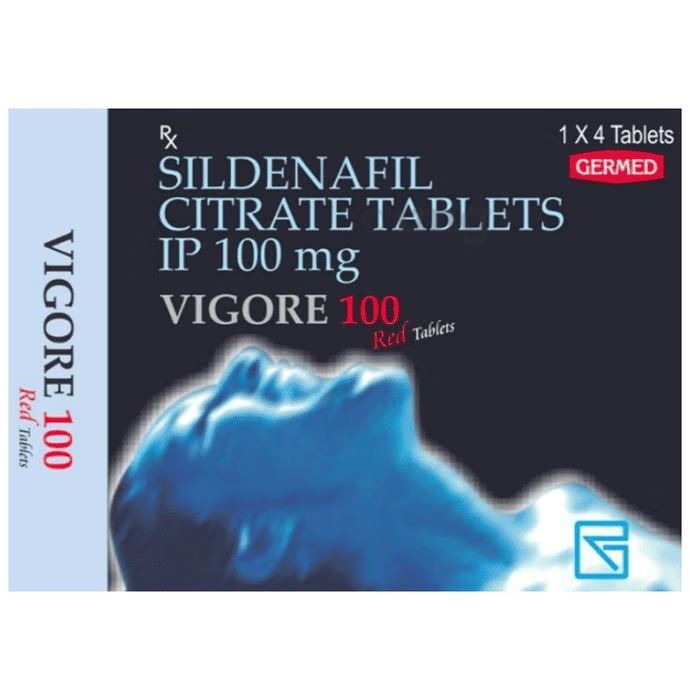
Important safety note: men with heart disease should never start ED medication without medical clearance. PDE5 inhibitors can interact dangerously with nitrate medications commonly prescribed for chest pain, and a doctor needs to confirm that sexual activity itself is safe for your current cardiovascular condition before treatment begins.
When to See a Doctor
Consider scheduling a check-up if you notice:
- ED that is new, persistent, or worsening over several weeks — not just an occasional occurrence
- ED combined with any chest discomfort, unusual shortness of breath, or fatigue during physical activity
- A family history of heart disease combined with ED symptoms
- Known risk factors (high blood pressure, high cholesterol, diabetes, smoking, obesity) that haven’t been recently evaluated
A doctor can check blood pressure, order bloodwork for cholesterol and blood sugar, and determine whether further cardiovascular testing is warranted — turning ED from a source of frustration into an opportunity for early detection.
Frequently Asked Questions
Does erectile dysfunction always mean I have heart disease?
No. ED has many possible causes, including stress, anxiety, certain medications, low testosterone, and relationship factors. However, persistent ED — especially without an obvious psychological trigger — is worth discussing with a doctor as part of a broader cardiovascular evaluation.
Can improving my heart health also improve ED?
Yes, in many cases. Since both conditions share the same underlying blood vessel health, improvements like quitting smoking, exercising regularly, losing excess weight, and controlling blood pressure and cholesterol can improve erectile function alongside cardiovascular health.
Is it safe to take ED medication if I have high blood pressure?
Many men with well-controlled high blood pressure can safely take PDE5 inhibitors, but this should always be confirmed by a doctor first, especially if you’re taking blood pressure medications, as some combinations require careful monitoring.
At what age should men start paying attention to this connection?
While ED and heart disease risk both increase with age, the vascular connection can be relevant at any age, particularly for men with risk factors like diabetes, smoking, obesity, or a family history of early heart disease. Don’t wait for a specific age milestone if symptoms appear.
What tests might a doctor run if I mention ED?
A doctor may check blood pressure, order a lipid panel (cholesterol), test blood sugar or HbA1c for diabetes, and ask about lifestyle factors and family history. Depending on the findings, a doctor may recommend further cardiovascular testing.
Medical Disclaimer
This article is for general educational and informational purposes only and does not constitute medical advice. Erectile dysfunction can have many causes, and only a licensed healthcare provider can determine whether it is related to cardiovascular disease in your specific case. Do not start, stop, or change any medication without consulting a qualified doctor. If you experience chest pain, shortness of breath, or other signs of a possible heart problem, seek emergency medical care immediately.