










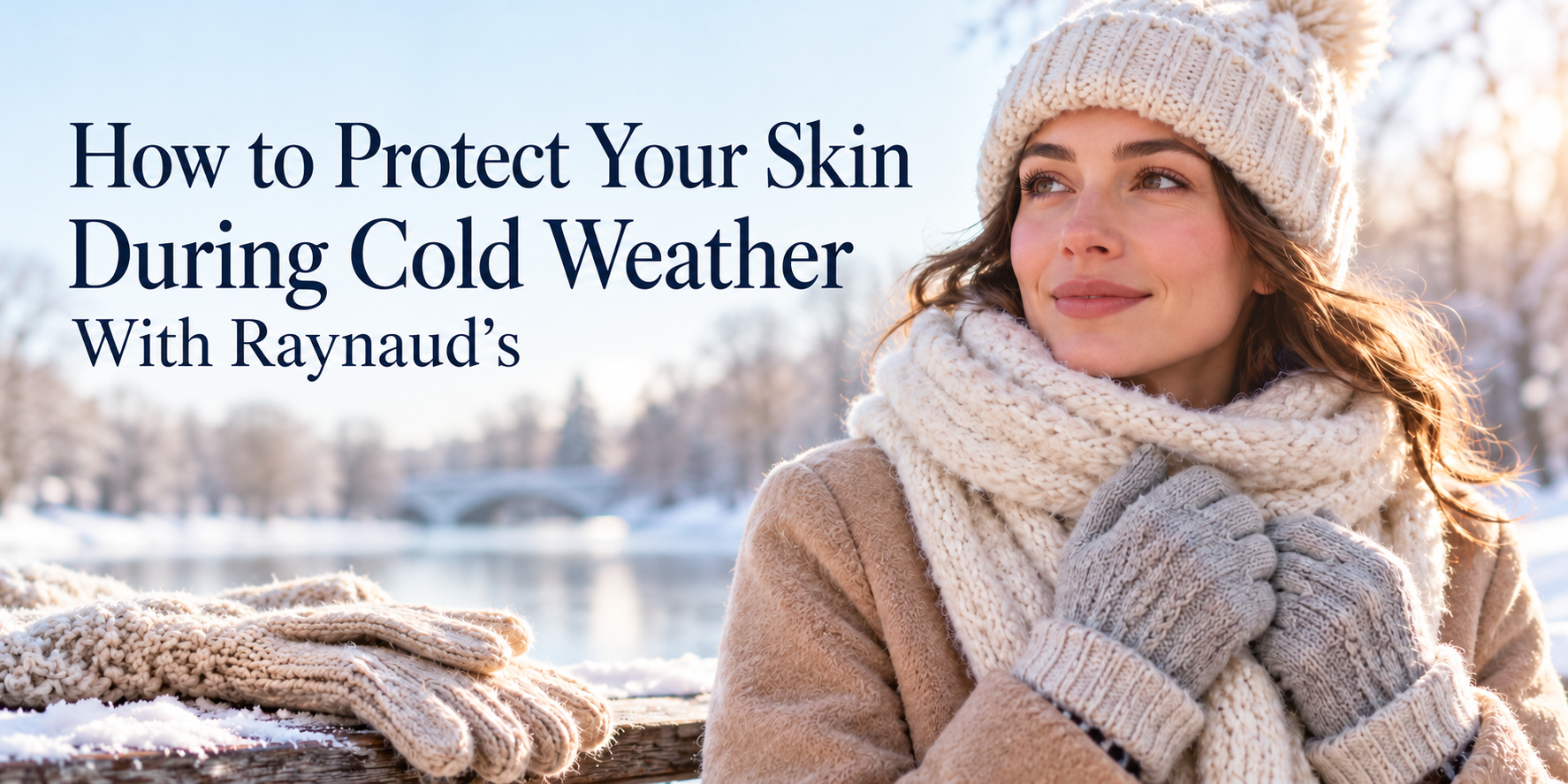
Cold weather is hard on everyone’s skin, but if you have Raynaud’s, it can be a lot harder. Reduced blood flow to your fingers, toes, nose, and ears leaves the skin there drier, thinner, and more prone to cracking the moment the temperature drops. A few simple habits can make a real difference.
What Is Raynaud’s Phenomenon?
Raynaud’s is a condition where small blood vessels narrow too much in response to cold or stress, cutting off blood flow to the fingers and toes for a short time. The affected skin turns white or blue, then red, and can feel numb or painful as circulation returns. Because that skin gets less blood flow overall, it also tends to be drier and heals more slowly than the rest of your body, which is why good skin moisturization matters so much in winter.
How Cold Weather Affects Raynaud’s-Prone Skin
- Faster moisture loss: Cold, dry air pulls water out of the skin’s outer layer quicker than in warmer months.
- Slower healing: Reduced circulation means small cracks or cuts on fingers and toes take longer to close up.
- More sensitivity: Skin that’s already short on blood flow reacts faster to wind, cold water, and harsh soaps.
Daily Skin Protection Tips
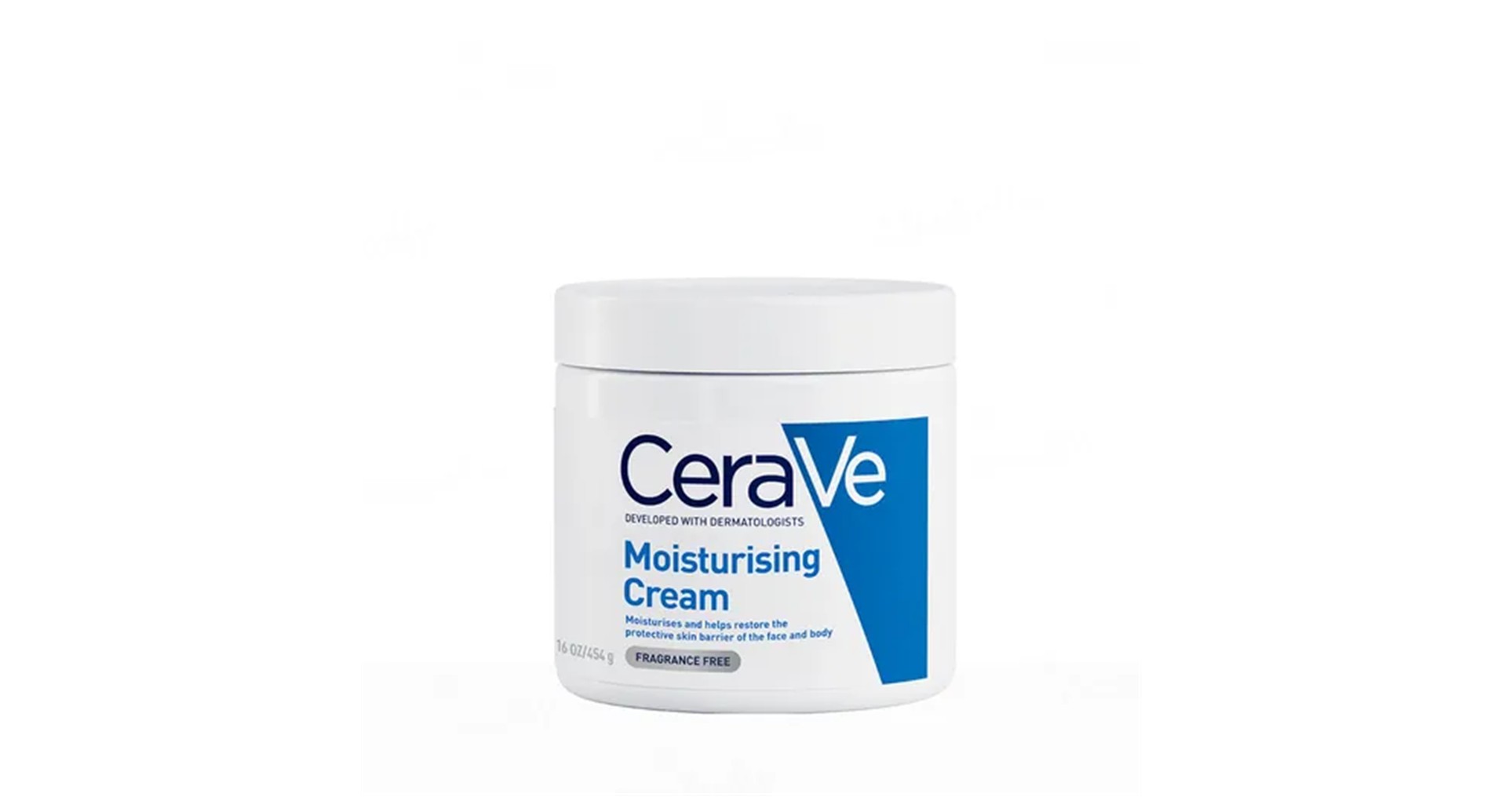
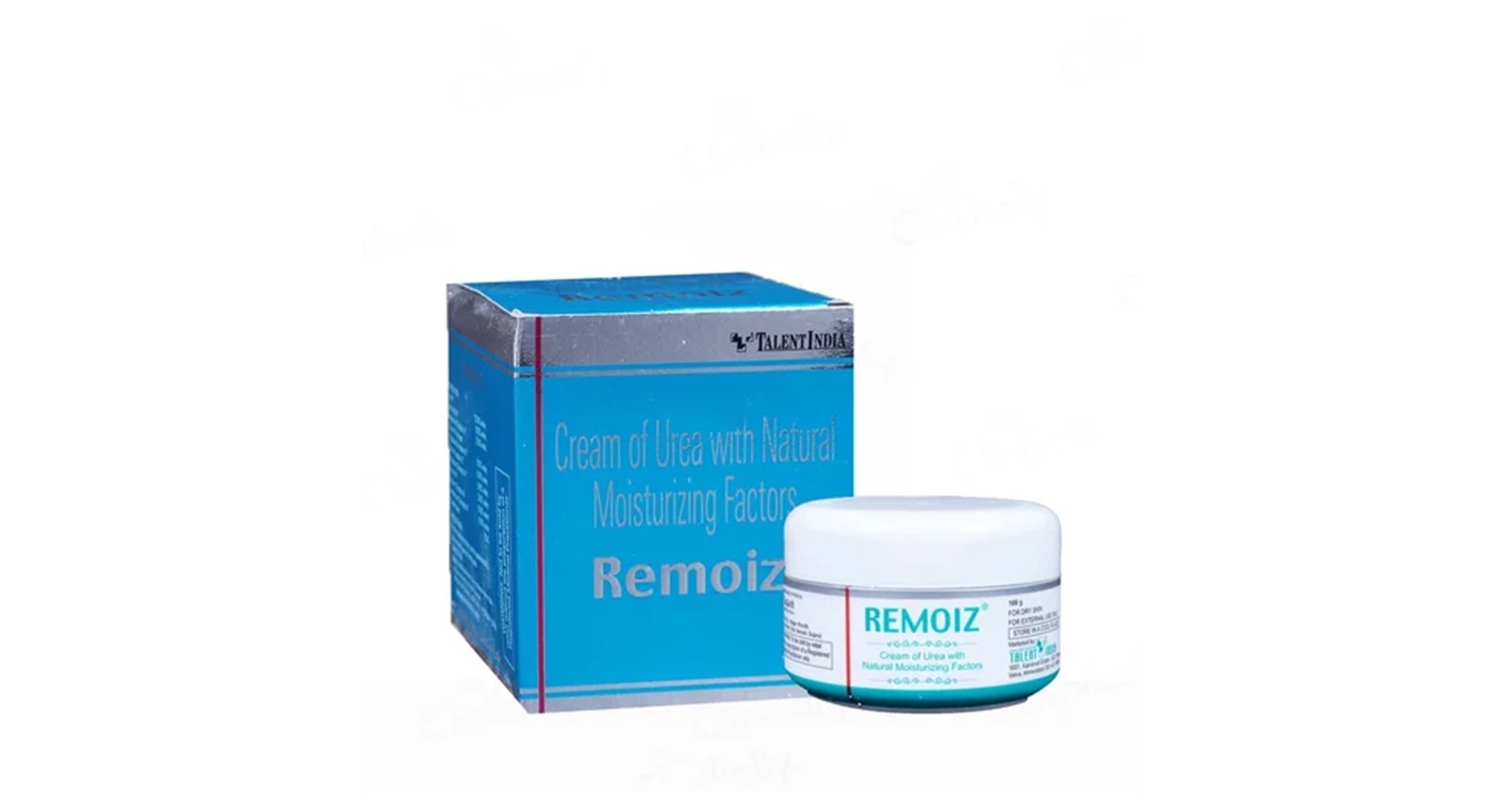
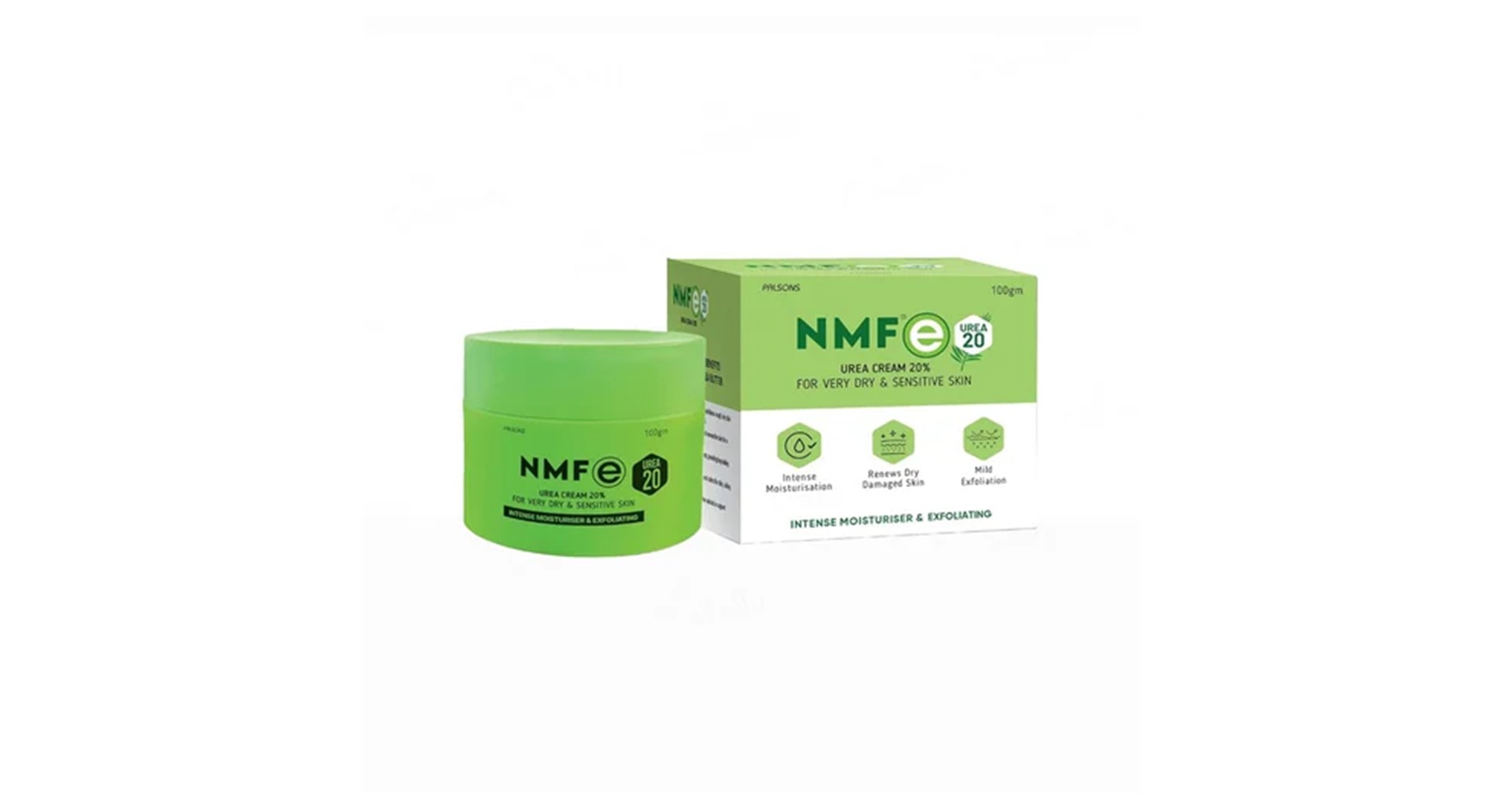
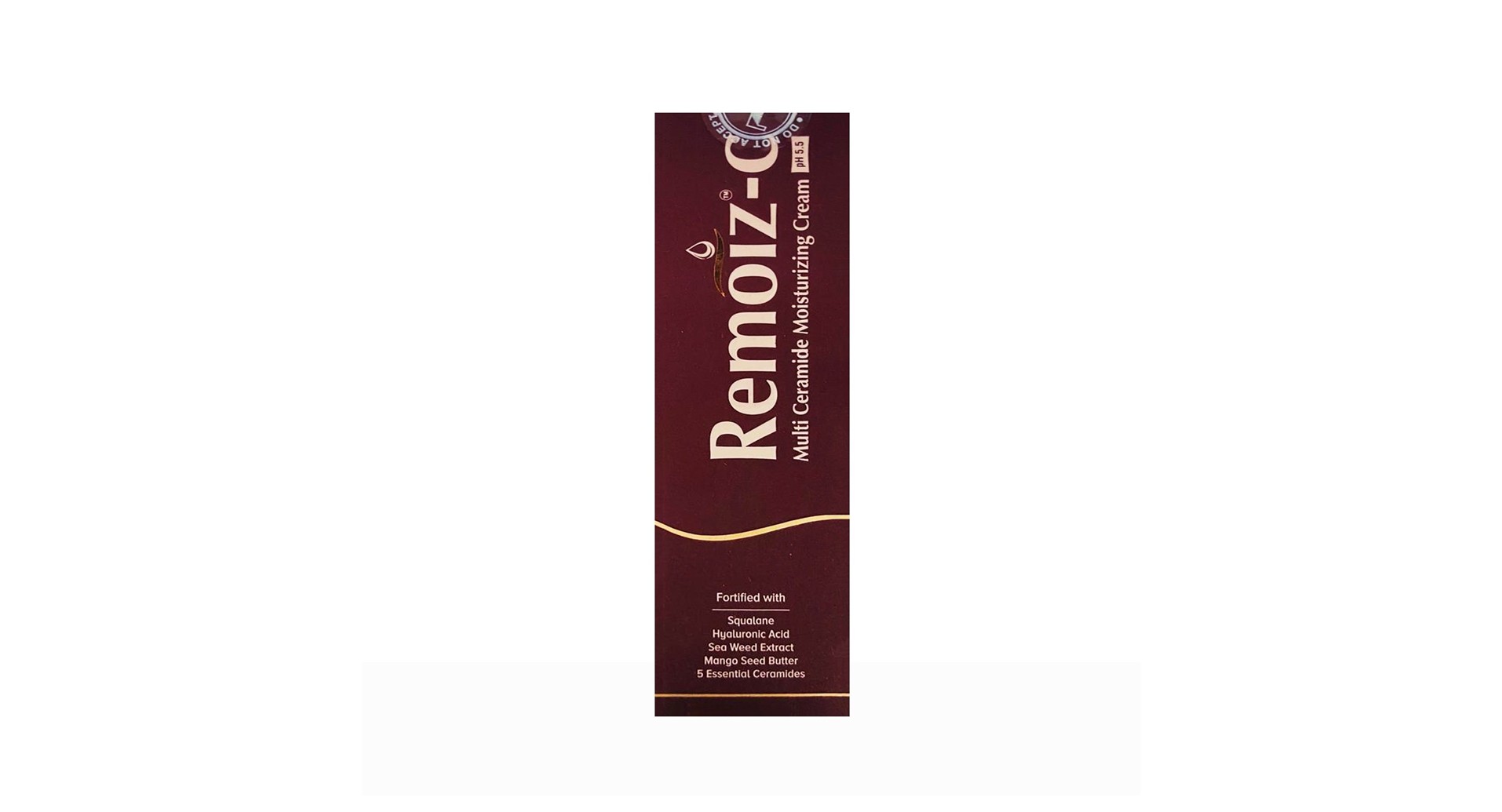
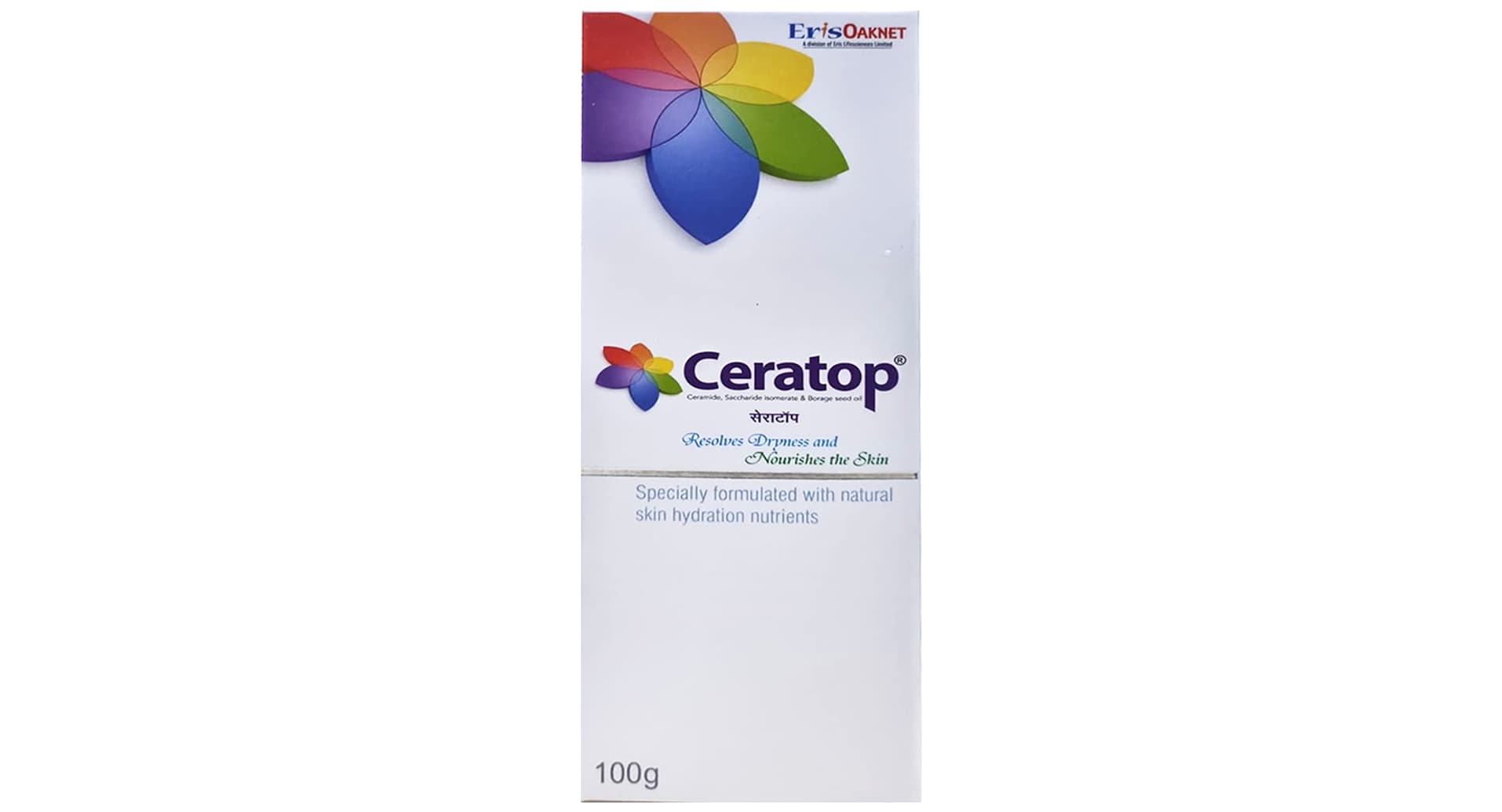
- Moisturize right after washing: Apply a rich urea cream or ceramide-based moisturizer within a couple of minutes of washing your hands, while skin is still slightly damp.
- Avoid hot water: Hot water strips natural oils faster than lukewarm water and can trigger a Raynaud’s episode on its own.
- Choose fragrance-free products: Added fragrance and alcohol in soaps and lotions can irritate skin that’s already fragile from poor circulation.
Keeping Hands and Feet Warm
- Layer up before you’re cold: Put gloves and warm socks on before stepping outside, not after your fingers start tingling — Raynaud’s episodes are easier to prevent than to reverse.
- Keep a travel-size moisturizer handy: Reapply after every hand wash, especially at work or when running errands.
- Protect against wind: Wind chill speeds up moisture loss and can trigger an episode even on a day that doesn’t feel very cold.
Lifestyle Habits That Support Circulation
Skin care alone can’t fix poor circulation, but a few daily habits make episodes less frequent and less severe.
- Stay active: Regular movement, even a short daily walk, helps keep blood flowing to the hands and feet.
- Manage stress: Stress is a trigger on its own for many people, since it causes blood vessels to narrow just like cold does.
- Avoid sudden temperature swings: Walking from a hot shower straight into cold air, or reaching into a freezer bare-handed, can set off an episode just as easily as a cold day outside.
When to See a Doctor
See a doctor if an episode lasts an unusually long time, if skin on a finger or toe develops a sore that won’t heal, or if color changes start showing up on just one side of the body. These can be signs of a more serious underlying circulation issue that needs proper evaluation rather than just skin care.
Frequently Asked Questions
Can moisturizer alone prevent a Raynaud’s episode?
No. Moisturizer protects the skin barrier and helps it recover faster, but it can’t stop the blood vessels from narrowing — staying warm and avoiding sudden cold exposure is what actually prevents an episode.
Is petroleum-free or fragrance-free moisturizer better for Raynaud’s?
Fragrance-free is generally safer, since fragile, poor-circulation skin reacts more easily to added fragrance and alcohol. Whether a cream contains petroleum isn’t the deciding factor — richness and how well it locks in moisture matter more.
Why do Raynaud’s episodes happen more often in winter?
Cold air itself is the main trigger, since blood vessels narrow faster and more sharply in low temperatures. Dry winter skin also cracks more easily, which can make affected fingers and toes feel worse even between episodes.
Is it safe to warm hands with hot water or a heating pad after an episode?
Lukewarm, not hot, is the safer choice — sudden heat on skin that’s just had its blood supply cut off can feel painful and sometimes cause a brief burning or tingling rebound. Gradual warming, like cupping hands under arms or using warm (not hot) water, is gentler on the skin.
Can smoking or caffeine make Raynaud’s worse?
Yes, both can be triggers for some people since nicotine and excess caffeine narrow blood vessels further, on top of the cold. Cutting back on either is a lifestyle step worth discussing with a doctor if episodes are frequent.
Legal Disclaimer
This article is for general information only and is not a substitute for professional medical advice, diagnosis, or treatment. If you have Raynaud’s phenomenon or any circulation disorder, consult a qualified doctor before starting any new skin care routine or product.