










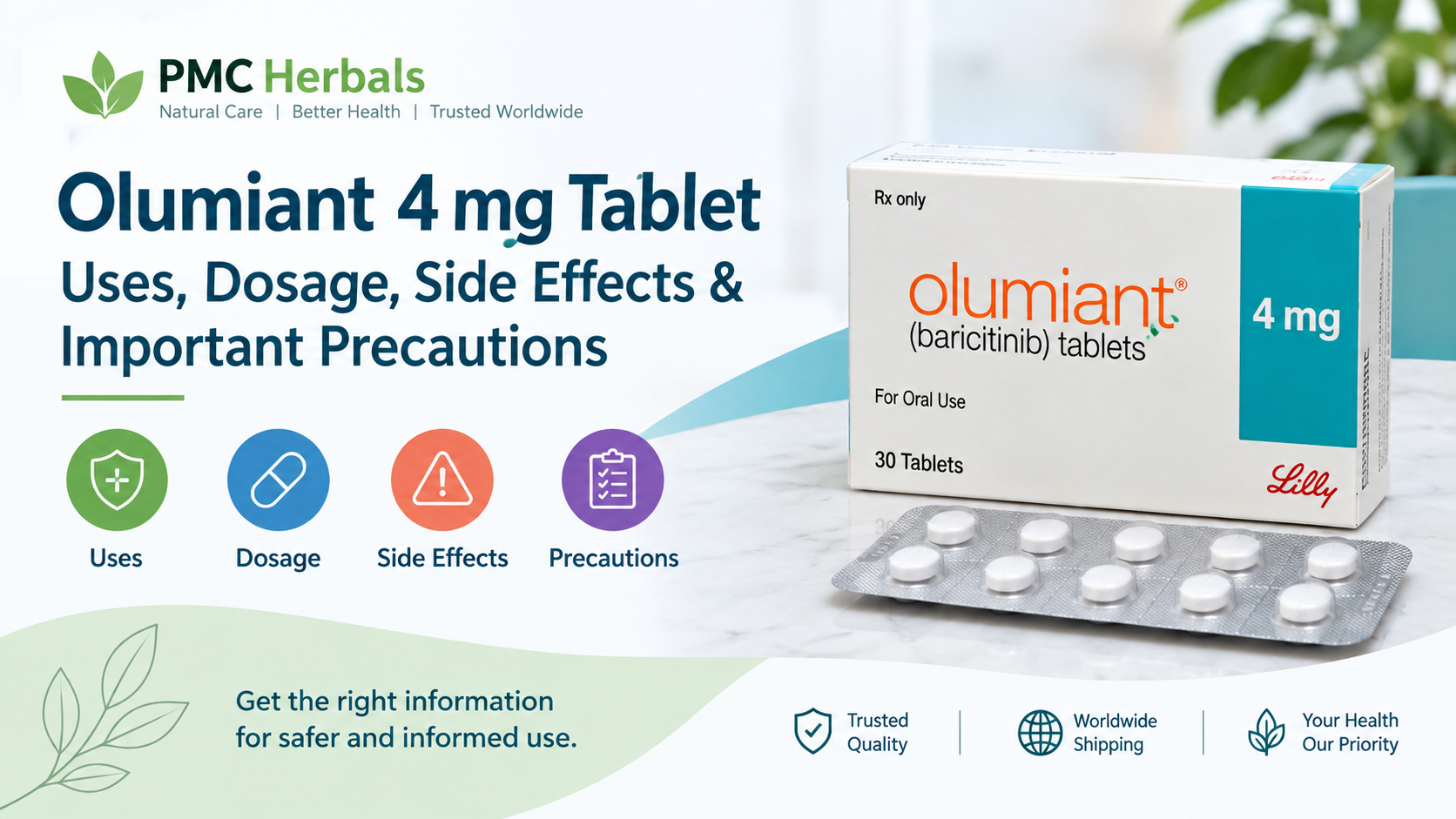
If you or someone close to you has been prescribed Olumiant 4 mg, you are likely dealing with a condition that has not responded well to first-line treatment — moderate to severe rheumatoid arthritis, severe alopecia areata, or stubborn atopic dermatitis. Olumiant belongs to a newer class of targeted oral medicines called JAK inhibitors, and it works very differently from the painkillers or older DMARDs you may have taken before.
It is also a medicine that demands respect. Olumiant suppresses part of your immune system, which is exactly why it works — and exactly why it needs screening before you start, blood tests while you are on it, and a clear understanding of the warning signs. This guide explains what Olumiant 4 mg is used for, how it is dosed, what side effects to expect, and the precautions that genuinely matter.
- What Is Olumiant 4 mg Tablet?
- How Baricitinib Works
- Uses of Olumiant 4 mg
- Olumiant 4 mg Dosage
- How to Take Olumiant Correctly
- Tests You Need Before Starting
- Side Effects of Olumiant 4 mg
- Important Precautions and Warnings
- Who Should Avoid or Delay Olumiant
- Drug Interactions
- Pregnancy, Breastfeeding and Fertility
- Storage and Handling
- Buying Olumiant 4 mg Safely
- Frequently Asked Questions
- Conclusion
- Medical Disclaimer
What Is Olumiant 4 mg Tablet?
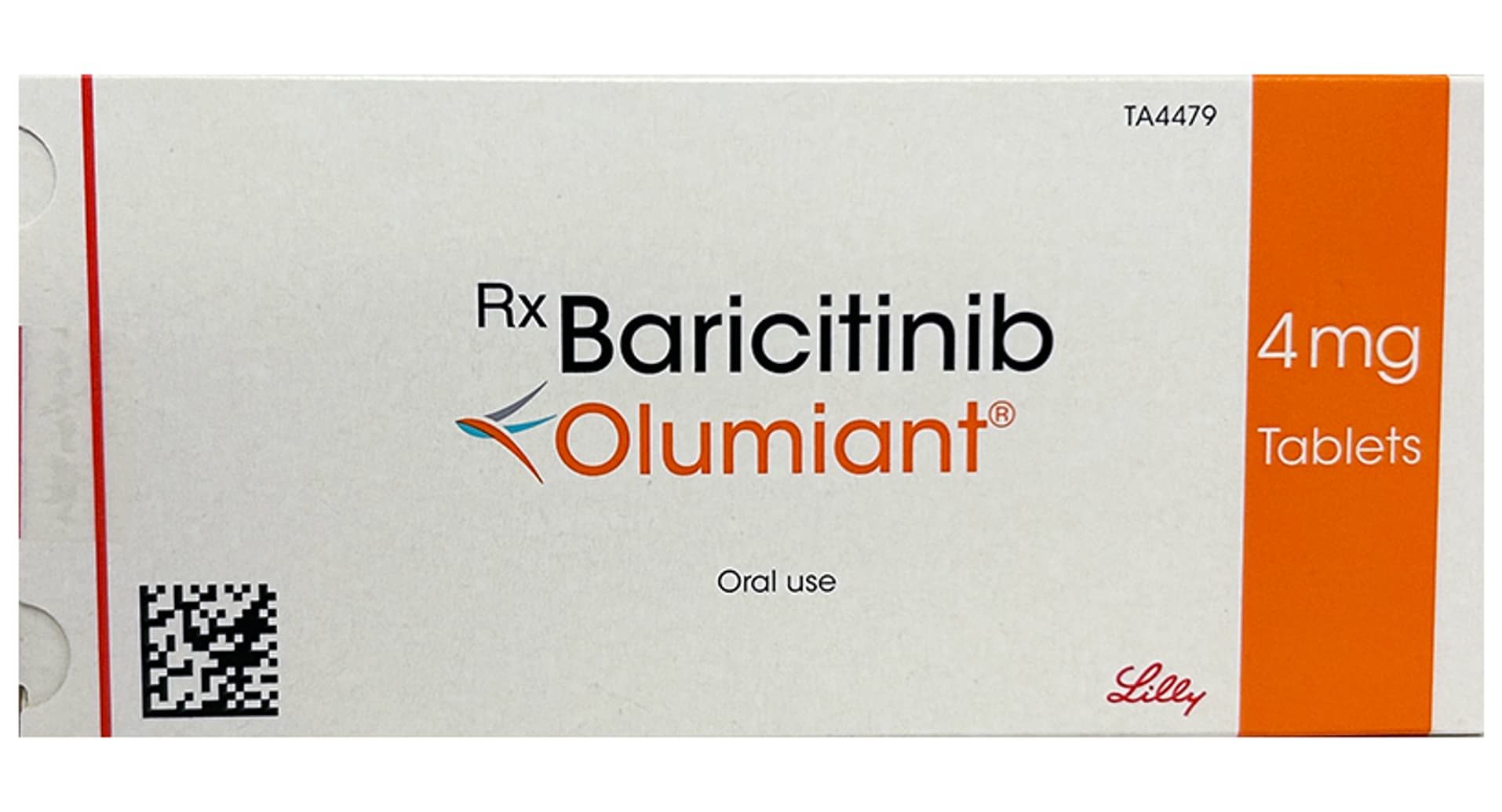
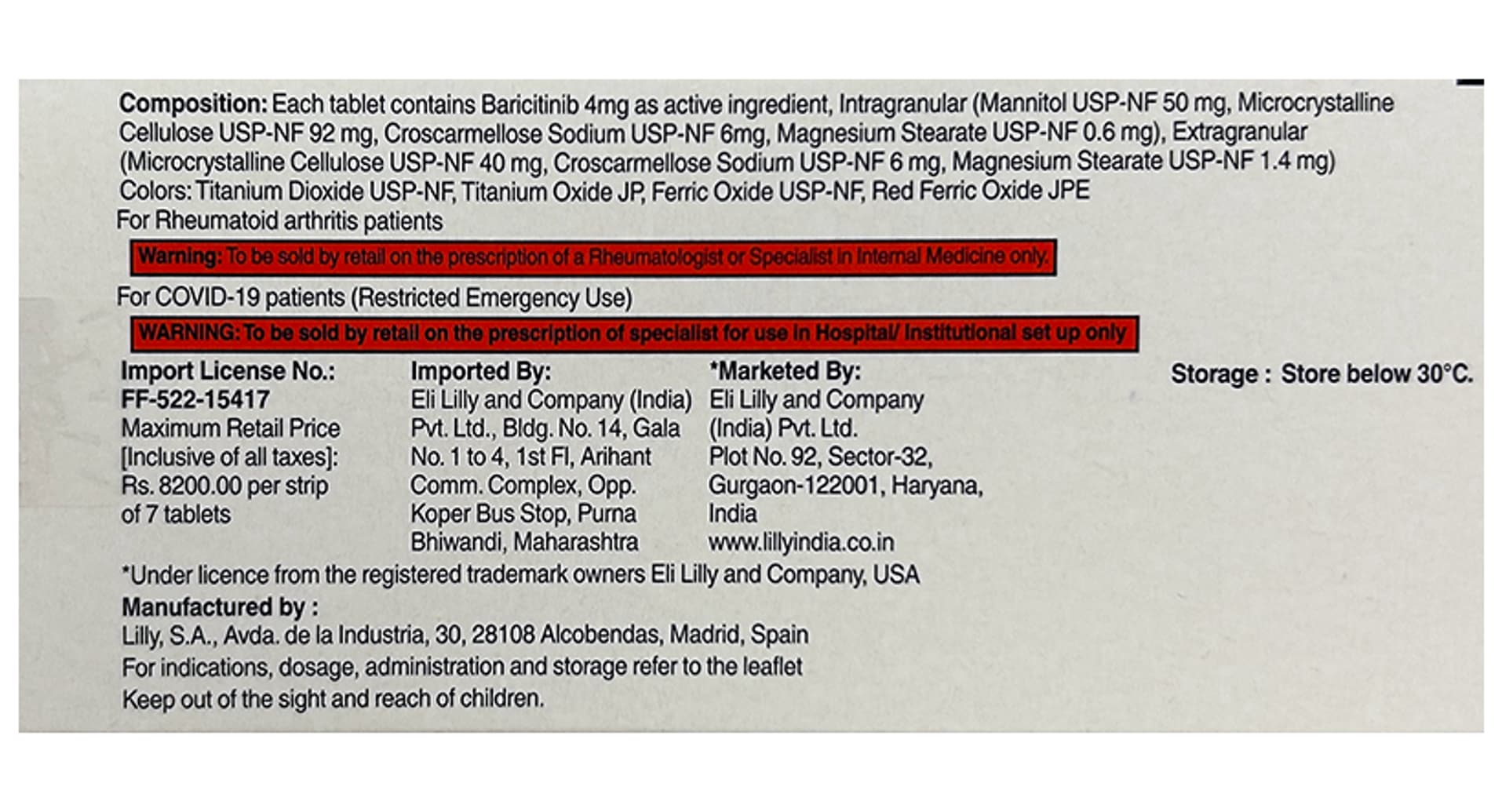
Olumiant 4 mg Tablet contains baricitinib 4 mg as its active ingredient. It is manufactured under licence for Eli Lilly and Company and supplied in India as a pack of 7 film-coated tablets for oral use.
Baricitinib is classed as a targeted synthetic DMARD (disease-modifying antirheumatic drug). Unlike a painkiller, which only masks symptoms, a DMARD interrupts the underlying inflammatory process that damages your joints, skin or hair follicles. Unlike the injectable biologic DMARDs, it is a small molecule you swallow once a day.
The Indian pack carries an explicit legal restriction printed on the carton: to be sold by retail on the prescription of a Rheumatologist or a Specialist in Internal Medicine only. That is not a formality — it reflects the level of monitoring the medicine requires.
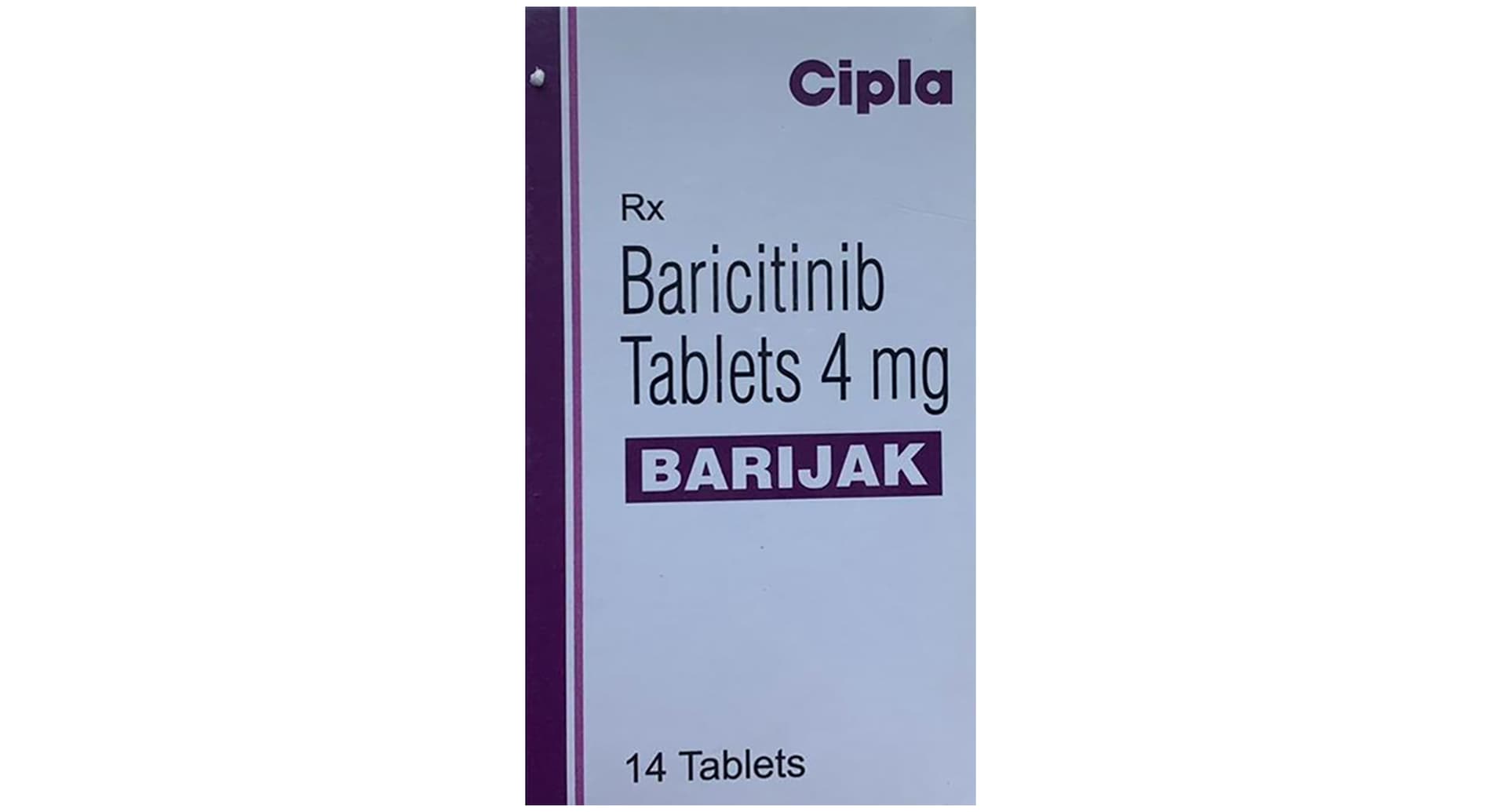
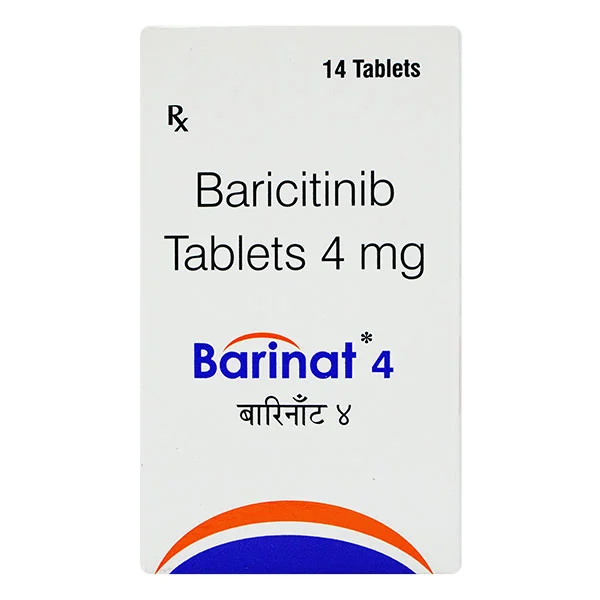
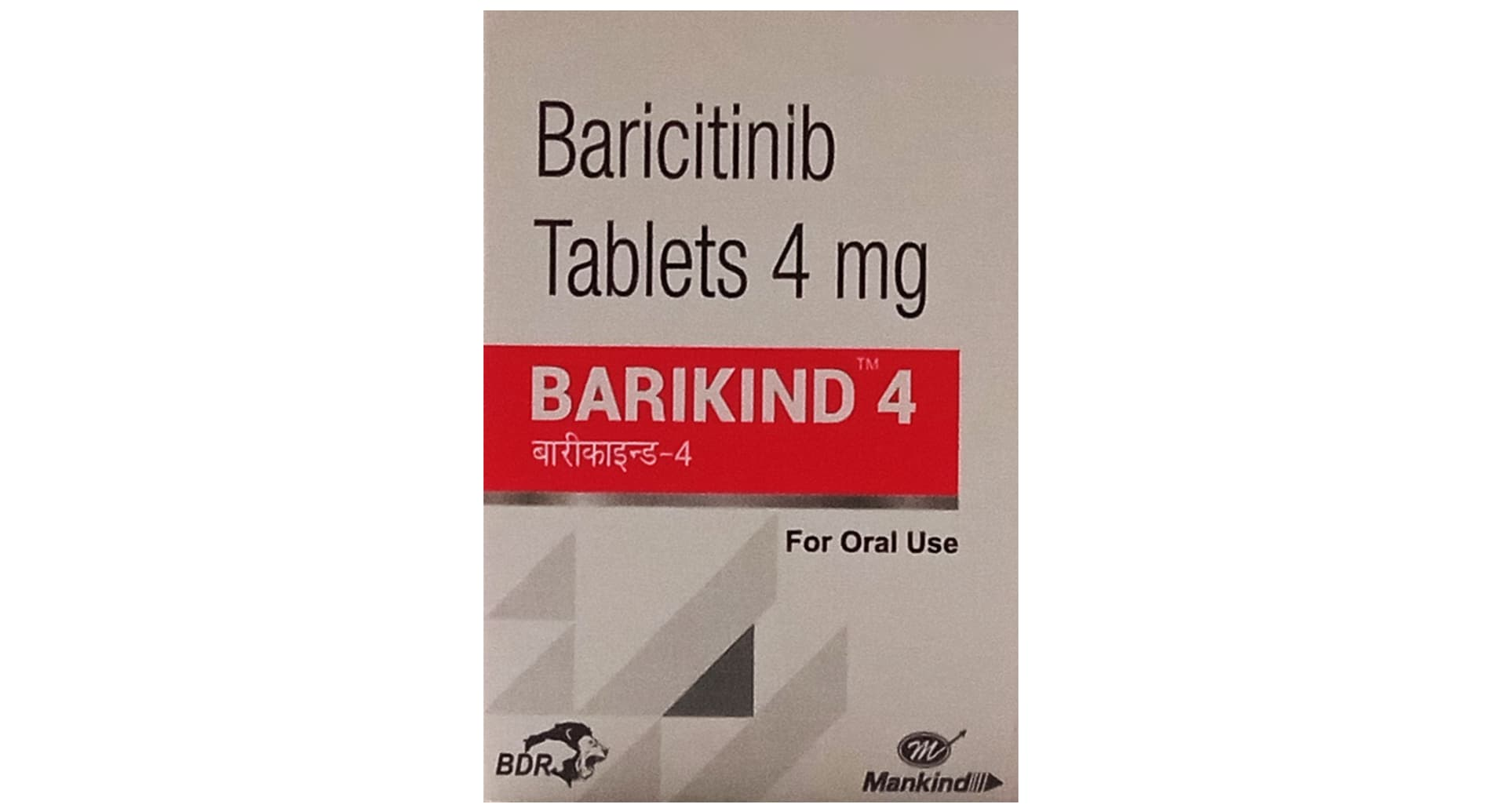
Baricitinib is also sold under generic brand names such as Barijak 4 mg Tablet, Barinat 4 mg Tablet and Barikind 4 mg Tablet, and in a lower strength as Olumiant 2 mg Tablet.
How Baricitinib Works
Inflammatory diseases like rheumatoid arthritis are driven by chemical messengers called cytokines. When a cytokine docks onto a receptor on the surface of an immune cell, it needs a relay system to carry that message inward to the cell nucleus, where it switches on inflammatory genes. That relay system is the JAK-STAT pathway, and the Janus kinase (JAK) enzymes are the first link in the chain.
Baricitinib is a selective inhibitor of JAK1 and JAK2. By blocking these two enzymes, it interrupts the signal before it ever reaches the nucleus. The practical result:
- Fewer inflammatory signals reaching immune cells
- Reduced joint pain, swelling, stiffness and morning tenderness in rheumatoid arthritis
- Slowed progression of the structural joint damage that causes long-term disability
- In alopecia areata, the immune attack on hair follicles is dampened, allowing regrowth
- In atopic dermatitis, the itch-and-inflammation cycle in the skin is reduced
Because it works upstream on the signalling pathway rather than neutralising one single cytokine, baricitinib affects several inflammatory routes at once. That breadth is its strength — and the reason its immunosuppressive effects need careful monitoring.
Uses of Olumiant 4 mg
Rheumatoid Arthritis
The main indication. Olumiant is approved for moderate to severe active rheumatoid arthritis in adults who have not responded adequately to, or cannot tolerate, one or more DMARDs such as methotrexate. It can be taken on its own or in combination with methotrexate or other non-biologic DMARDs.
Severe Alopecia Areata
Olumiant is approved for severe alopecia areata in adults — the autoimmune condition that causes patchy or complete loss of scalp hair, and sometimes eyebrows and eyelashes. Regrowth is typically slow; meaningful results are usually assessed at around 36 weeks rather than after a few weeks.
Moderate to Severe Atopic Dermatitis
In Europe and the UK, baricitinib is also approved for moderate to severe atopic dermatitis in adults and children aged 2 and over who are candidates for systemic therapy. Availability of this indication varies by country.
Juvenile Idiopathic Arthritis
European labelling also covers active juvenile idiopathic arthritis in patients aged 2 years and older who responded inadequately to previous DMARD therapy, with weight-based dosing.
COVID-19 (Restricted Hospital Use)
The Indian carton carries a separate restricted-emergency-use warning for COVID-19 patients, marked for use in a hospital or institutional setting only, on a specialist’s prescription. This is not a home-use indication and is not something to self-initiate.
Olumiant 4 mg Dosage
The standard adult dose in India, the UK and Europe is 4 mg once daily. A 2 mg once-daily dose is used in specific situations described below. Dosing conventions differ by country — in the United States, for example, the approved rheumatoid arthritis dose is 2 mg once daily, with 4 mg reserved for other indications. Always follow the dose written on your own prescription.
| Situation | Usual Adult Dose |
|---|---|
| Rheumatoid arthritis | 4 mg once daily |
| Severe alopecia areata | 4 mg once daily |
| Atopic dermatitis (adults) | 4 mg once daily |
| Age 65 and over | 2 mg once daily |
| History of chronic or recurrent infections | 2 mg once daily |
| Sustained disease control achieved on 4 mg | Step down to 2 mg once daily |
| Kidney function eGFR 30–60 mL/min | 2 mg once daily |
| Kidney function eGFR below 30 mL/min | Not recommended |
| Severe liver impairment | Not recommended |
| Taking probenecid (strong OAT3 inhibitor) | 2 mg once daily |
Your specialist may also start you on 2 mg and step up to 4 mg if the response is not good enough, or step you back down to 2 mg once your disease has been stable for a while. Both directions are normal and planned — not a sign that treatment is failing.
How to Take Olumiant Correctly
- Take one tablet once daily, swallowed whole with water
- It can be taken with or without food
- Take it at roughly the same time each day to keep blood levels steady
- Do not crush, split or chew the film-coated tablet
- Do not stop the medicine because you feel better — rheumatoid arthritis damage continues silently even when symptoms settle
- If you miss a dose, take it as soon as you remember on the same day. If it is almost time for your next dose, skip the missed one. Never take two tablets to make up for a missed dose.
- Attend every scheduled blood test, even when you feel completely well
Improvement is usually gradual. In rheumatoid arthritis many people notice a difference within 2 to 4 weeks, with fuller benefit over about 12 weeks. In alopecia areata, regrowth is measured in months.
Tests You Need Before Starting
Baricitinib is not started on the same day it is prescribed. Your specialist will normally arrange:
- Tuberculosis screening — active or latent TB must be identified and treated first, because immunosuppression can reactivate dormant infection
- Hepatitis B and C screening
- Full blood count — treatment should not be started if your absolute lymphocyte count is below 0.5 × 10⁹/L, your absolute neutrophil count is below 1 × 10⁹/L, or your haemoglobin is below 8 g/dL
- Liver function tests
- Kidney function (eGFR) — this determines whether 4 mg or 2 mg is appropriate
- Lipid profile — repeated around 12 weeks after starting, since baricitinib commonly raises cholesterol
- Vaccination review — bring immunisations up to date before you start, including shingles and pneumococcal vaccines where advised
Monitoring continues during treatment, typically with blood counts, liver enzymes and lipids checked at intervals set by your specialist.
Side Effects of Olumiant 4 mg
Most people tolerate baricitinib reasonably well, but the side effect profile is broader than that of a simple painkiller.
Common Side Effects
These affect roughly 1 in 100 to more than 1 in 10 people:
- Raised LDL cholesterol — the single most frequently reported effect, seen in around a quarter of patients
- Upper respiratory tract infections — colds, sore throat, sinus infections
- Headache
- Herpes simplex (cold sores) and herpes zoster (shingles)
- Urinary tract infections
- Nausea and abdominal pain
- Gastroenteritis and folliculitis
- Raised triglycerides
- Raised liver enzymes (ALT/AST)
- Acne, particularly in people treated for alopecia areata or atopic dermatitis
- Weight increase
Raised cholesterol is usually manageable and does not automatically mean stopping treatment — your doctor may add a statin or adjust your diet.
Serious Side Effects — Seek Medical Help
Serious but less common risks include:
- Serious infections, including tuberculosis, opportunistic infections and severe shingles
- Venous thromboembolism — deep vein thrombosis and pulmonary embolism
- Major adverse cardiovascular events — heart attack and stroke, particularly in older patients with cardiovascular risk factors
- Malignancy, including lymphoma and non-melanoma skin cancer
- Gastrointestinal perforation, mainly in people with diverticulitis or on long-term NSAIDs or corticosteroids
- Low neutrophils, low lymphocytes or anaemia picked up on routine blood tests
- Allergic reactions, including swelling of the face, lips or throat
Important Precautions and Warnings
Regulators in Europe and the United States have both issued specific safety restrictions for JAK inhibitors as a class, based on a large safety trial that compared this class against TNF inhibitors in patients over 50 with at least one cardiovascular risk factor.
Extra caution applies if you are:
- Aged 65 or over
- A current or former long-term smoker
- At increased risk of heart attack or stroke
- At increased risk of cancer
- At increased risk of blood clots
In these groups, baricitinib should be used only if no suitable alternative treatment is available, and often at the lower 2 mg dose. This is a discussion to have openly with your rheumatologist, not a reason to stop a medicine that is working for you without medical advice.
Other precautions:
- Do not receive live vaccines while on treatment or shortly before starting. Inactivated vaccines, including most routine flu and COVID vaccines, are generally fine — confirm with your doctor.
- Protect your skin — use sunscreen and limit UV exposure, and report new or changing moles or skin lesions, given the raised risk of non-melanoma skin cancer.
- Report every infection, however trivial it seems. Immunosuppression can turn a minor infection serious quickly, and treatment is usually paused until the infection has resolved.
- Do not skip blood tests. Several important effects — falling blood counts, rising liver enzymes, rising cholesterol — cause no symptoms at all until they are advanced.
- Tell every doctor and dentist you see that you are taking an immunosuppressant, especially before any surgery.
Who Should Avoid or Delay Olumiant
Baricitinib is contraindicated in:
- Anyone with a known hypersensitivity to baricitinib or any excipient in the tablet
- Pregnancy
Treatment should be delayed or avoided in people with:
- An active serious infection, including active tuberculosis
- Severe kidney impairment (eGFR below 30 mL/min)
- Severe liver impairment
- Blood counts below the thresholds listed above
- Active malignancy — requires individual specialist assessment
Additional caution and specialist judgement are needed if you have a history of blood clots, diverticular disease, hepatitis B or C, recurrent herpes zoster, or previous cancer.
Drug Interactions
Tell your specialist about every medicine, supplement and herbal product you take. The interactions that matter most:
- Other JAK inhibitors such as tofacitinib — never combine. If your treatment is being switched to or from a product such as Tofajak 5 mg Tablet, your specialist will manage the changeover.
- Biologic DMARDs — TNF inhibitors, rituximab, tocilizumab and similar agents should not be combined with baricitinib.
- Potent immunosuppressants such as azathioprine, ciclosporin and tacrolimus — combination is not recommended.
- Probenecid, a strong OAT3 inhibitor, roughly doubles baricitinib exposure. The dose is reduced to 2 mg once daily if the two are taken together.
- Live vaccines — avoid during treatment.
- NSAIDs and corticosteroids — not forbidden, and often continued, but they add to the risk of gastrointestinal perforation and infection, so your doctor will keep doses as low as practical.
Methotrexate and other conventional non-biologic DMARDs can generally be continued alongside baricitinib, and often are.
Pregnancy, Breastfeeding and Fertility
Baricitinib was teratogenic in animal studies, and pregnancy is a contraindication.
- Women of childbearing potential must use effective contraception during treatment and for at least one week after the final dose
- If you become pregnant or think you might be, stop the medicine and contact your specialist immediately
- Breastfeeding is not recommended during treatment, as excretion into breast milk cannot be ruled out
- If you are planning a pregnancy, discuss it well in advance so an alternative treatment plan can be arranged
Storage and Handling
- Store below 30 °C
- Keep the tablets in their original pack, protected from moisture — do not decant into a pill organiser for long periods
- Keep out of the sight and reach of children
- Do not use after the expiry date printed on the carton
- Return unused tablets to a pharmacy for safe disposal rather than throwing them out with household waste
Buying Olumiant 4 mg Safely
Because baricitinib is restricted to specialist prescription, it should only ever be bought against a valid prescription from a licensed pharmacy that verifies it. Points worth checking on any pack you receive:
- Intact, sealed carton with a legible batch number and expiry date
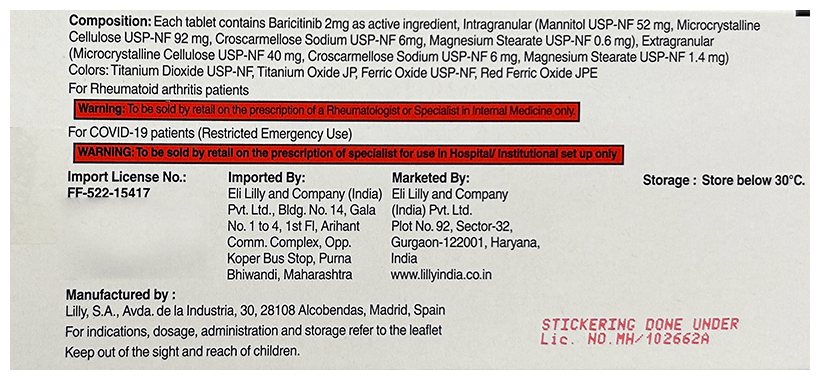
- The Eli Lilly marking and import licence details on the pack
- Correct strength — 4 mg, not 2 mg — matching your prescription
- Correct pack count, normally 7 film-coated tablets per strip
You can browse the full range in the Arthritis category.
Frequently Asked Questions
1. How long does Olumiant 4 mg take to work?
In rheumatoid arthritis, many people notice reduced pain and stiffness within 2 to 4 weeks, with fuller benefit over roughly 12 weeks. In severe alopecia areata the timeline is much longer — meaningful regrowth is usually assessed at around 36 weeks, so patience is genuinely part of the treatment plan.
2. Is Olumiant a steroid?
No. Baricitinib is a targeted synthetic DMARD that blocks JAK1 and JAK2 enzymes. It is a completely different class from corticosteroids such as prednisolone, and it does not carry steroid-specific effects like bone thinning or classic steroid weight redistribution.
3. Can I take Olumiant with methotrexate?
Yes. Baricitinib is licensed for use either on its own or in combination with methotrexate and other conventional non-biologic DMARDs, and many rheumatologists prescribe the combination. What must be avoided is combining it with biologic DMARDs, other JAK inhibitors, or potent immunosuppressants such as azathioprine and ciclosporin.
4. Do I have to take Olumiant forever?
Not necessarily, but it is a long-term treatment rather than a short course. Once your disease is well controlled, your specialist may step the dose down from 4 mg to 2 mg. Stopping altogether usually leads to a return of symptoms, so any change should be planned with your doctor rather than done on your own.
5. Can I drink alcohol while taking Olumiant?
There is no direct interaction between baricitinib and alcohol. However, baricitinib can raise liver enzymes, and many patients also take methotrexate, which is more clearly liver-affecting. Keep alcohol intake modest and follow the specific advice your specialist gives you based on your liver test results.
6. What should I do if I get an infection while on Olumiant?
Contact your doctor promptly rather than waiting to see if it settles. Treatment is usually paused until the infection has been treated and resolved. Seek urgent care for fever, a persistent cough, night sweats, unexplained weight loss, or a painful blistering rash on one side of the body.
7. Is the 4 mg dose stronger than necessary?
Not usually — 4 mg once daily is the standard adult starting dose for rheumatoid arthritis, alopecia areata and atopic dermatitis in India, the UK and Europe. The 2 mg dose is used for people aged 65 and over, those with reduced kidney function, those with recurrent infections, and as a step-down once the disease is stable. Your specialist chooses the dose based on your individual profile.
8. Can Olumiant regrow hair permanently in alopecia areata?
It can produce substantial regrowth in many people with severe alopecia areata, but it manages the autoimmune process rather than curing it. Hair loss commonly returns if treatment is stopped, which is why continued therapy under specialist supervision is usually required to maintain results.
Conclusion
Olumiant 4 mg is a genuinely effective option for people whose rheumatoid arthritis, alopecia areata or atopic dermatitis has not responded to earlier treatment. Taken as a single daily tablet, it interrupts inflammatory signalling at the JAK1/JAK2 step rather than simply masking symptoms, and in rheumatoid arthritis it can slow the joint damage that drives long-term disability.
The trade-off is that it suppresses part of your immune system. That means TB and hepatitis screening before you start, regular blood tests throughout, awareness of infection and clot warning signs, and extra caution if you are over 65, a smoker, or at raised cardiovascular or cancer risk. None of that makes it a dangerous medicine — it makes it a medicine that works best with a specialist actively involved.
If you have been prescribed Olumiant 4 mg, keep your monitoring appointments, report symptoms early rather than waiting, and never adjust the dose on your own.
Medical Disclaimer
This article is intended for general educational and informational purposes only. It is not medical advice, and it is not a substitute for consultation, diagnosis or treatment by a qualified healthcare professional.
Olumiant (baricitinib) is a specialist-initiated prescription medicine. In India it may only be sold on the prescription of a rheumatologist or a specialist in internal medicine. Doses, indications and safety restrictions differ between countries, and the information here should never override the instructions on your own prescription or your specialist’s advice.
Do not start, stop, pause or change the dose of this medicine except on your specialist’s instruction. If you develop signs of infection, chest pain, breathlessness, leg swelling, severe abdominal pain, or a sudden change in vision or wellbeing while taking it, seek medical attention promptly.
PMC Herbals does not dispense prescription medicines without a valid prescription and does not accept liability for decisions made solely on the basis of this content.