










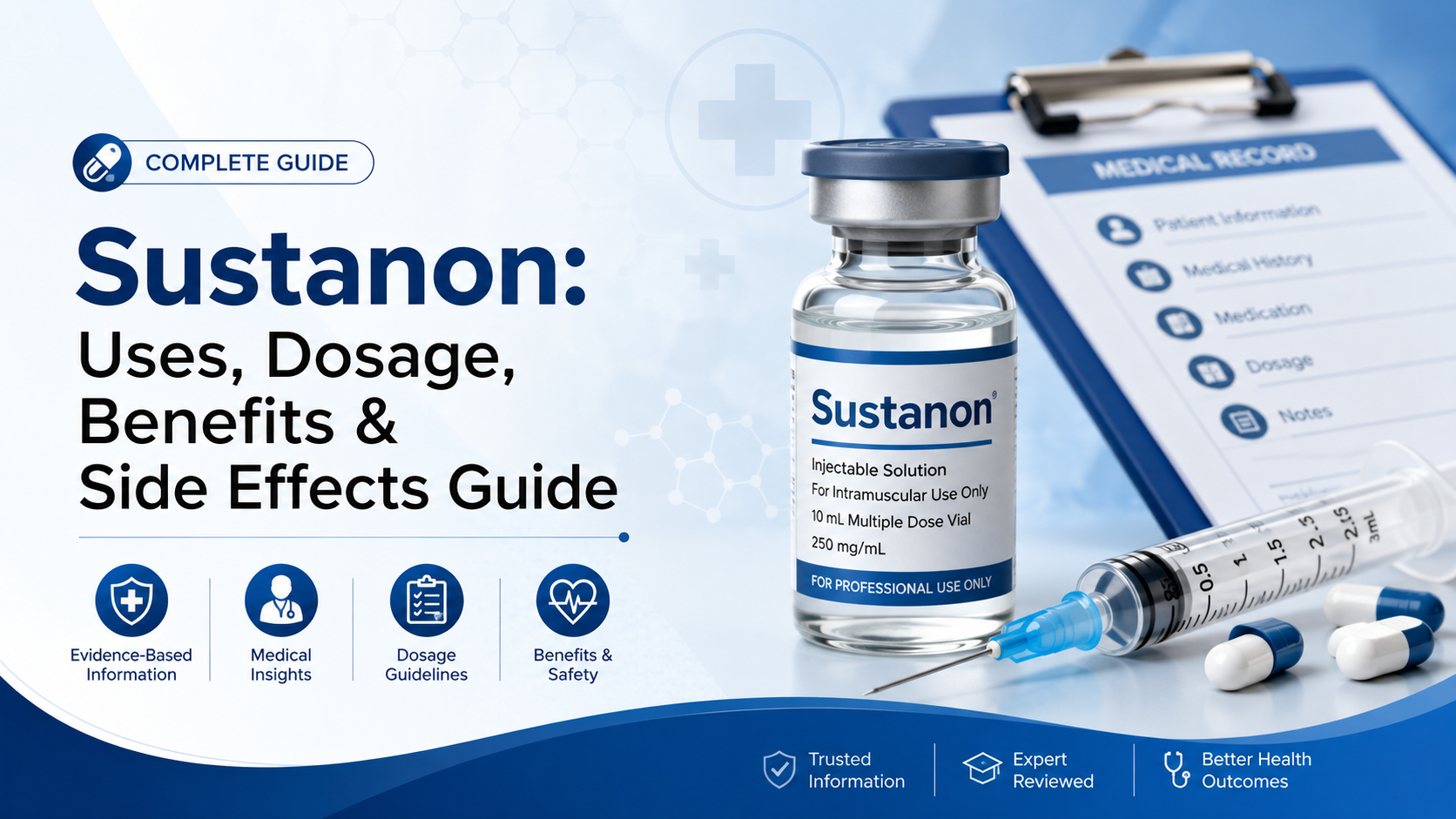
What Is Sustanon? Uses, How It Works, Dosage, Benefits, Side Effects, and Precautions
Low testosterone can affect more than sexual health. In people with a genuine testosterone deficiency, it may contribute to tiredness, reduced sexual desire, changes in mood, loss of muscle mass, reduced bone density, and other health concerns.
Sustanon is a prescription testosterone injection used in certain countries as testosterone replacement therapy. It is intended to restore testosterone levels in people who have medically confirmed testosterone deficiency. It is not a general energy booster, bodybuilding supplement, or treatment for normal age-related changes.
Before prescribing Sustanon, a healthcare professional must assess the patient’s symptoms, blood-test results, medical history, fertility plans, and risk factors. Regular monitoring is also necessary because testosterone treatment can affect red blood cells, blood pressure, prostate health, cholesterol levels, fertility, and other body systems.
This guide explains what Sustanon is, how a Sustanon injection works, who may be eligible, its potential benefits, typical Sustanon dosage information, possible Sustanon side effects, safety precautions, storage instructions, and questions patients commonly ask.
What Is Sustanon?
Sustanon is an injectable form of testosterone. Testosterone is an androgen hormone produced mainly by the testicles in men. It supports sexual development, sexual function, muscle and bone maintenance, red blood cell production, body-hair development, and several other biological processes.

How Does Sustanon Work?
The four active ingredients in Sustanon are esters of testosterone. An ester is a chemical modification that affects how quickly testosterone is released from the injection site.
After the Sustanon injection is injected into the muscle, the testosterone esters are gradually released into the bloodstream. The body then converts them into active testosterone. Because the formulation contains esters with different durations of action, some testosterone is released earlier, while other portions remain available for longer.
According to the product information, testosterone levels generally rise after an injection, with peak levels occurring approximately 24 to 48 hours after administration. After a single dose, levels gradually fall and may return toward the lower end of the male reference range at around 21 days. Individual responses can vary considerably.
Once released, testosterone acts on androgen receptors throughout the body. In a person with genuine testosterone deficiency, restoring testosterone to an appropriate range may support:
- Sexual desire and sexual function
- Maintenance of muscle tissue
- Bone mineral density
- Red blood cell production
- Energy and general wellbeing
- Maintenance of male secondary sexual characteristics
The aim is not to create unusually high testosterone levels. The goal of medical testosterone replacement therapy is generally to maintain levels within an appropriate physiological range while improving clinically relevant symptoms.
What Are the Approved Sustanon Uses?
Testosterone Replacement in Male Hypogonadism
The main approved use of Sustanon 250 is testosterone replacement therapy in adult men with hypogonadism.
Male hypogonadism occurs when the testicles do not produce enough testosterone or when the brain does not send the correct hormonal signals to stimulate testosterone production.
Sustanon should be considered only when testosterone deficiency has been confirmed by both:
- Symptoms or clinical signs consistent with low testosterone.
- Repeated blood tests showing consistently low testosterone levels.
The product information specifies that testosterone deficiency should be confirmed by two separate testosterone measurements together with relevant symptoms. The Endocrine Society similarly recommends diagnosing hypogonadism only when a patient has compatible symptoms and consistently low testosterone concentrations, usually confirmed with a repeat morning test.
Symptoms that may lead a healthcare professional to investigate low testosterone include:
- Reduced sexual desire
- Erectile difficulties
- Persistent tiredness
- Reduced muscle strength
- Depressed or low mood
- Reduced body hair
- Loss of bone density
- Unexplained anaemia
- Reduced testicular size
- Infertility
These symptoms are not specific to testosterone deficiency. Stress, poor sleep, obesity, thyroid disorders, depression, medication effects, chronic illness, relationship concerns, and other conditions can produce similar symptoms. Blood testing and a proper medical evaluation are therefore essential.
Supportive Masculinising Hormone Therapy
In some countries, Sustanon may also be used under specialist supervision as supportive masculinising hormone therapy for transgender men or other people assigned female at birth who require testosterone treatment.
Eligibility, consent requirements, monitoring, dosage, and approved indications differ between healthcare systems. This treatment should be managed by a clinician experienced in gender-affirming care rather than started without medical supervision.
Uses Sustanon Is Not Intended For
Sustanon should not be used simply to:
- Increase gym performance
- Accelerate bodybuilding results
- Improve appearance
- Treat normal ageing
- Increase energy without confirmed deficiency
- Enhance athletic performance
- Increase testosterone above the normal physiological range
Testosterone abuse, particularly at high doses or in combination with anabolic steroids, has been associated with serious cardiovascular, liver, psychiatric, hormonal, and fertility-related complications. Dependence and withdrawal symptoms may also occur.
Who Should Use Sustanon? Benefits and Eligibility
Sustanon may be appropriate for an adult who has a medically established need for testosterone replacement. A low result on one blood test is usually not enough to confirm eligibility.
Who Should Not Use Sustanon?
Sustanon is contraindicated or generally unsuitable for people with certain conditions. These include:
- Known or suspected prostate cancer
- Known or suspected male breast cancer
- Pregnancy
- Breastfeeding
- Allergy to testosterone or another ingredient
- Peanut or soya allergy because the injection contains refined arachis oil
- Children younger than three years
Major clinical guidance also recommends against starting testosterone in men who are planning fertility in the near future or who have certain serious conditions, such as elevated haematocrit, untreated severe obstructive sleep apnoea, uncontrolled heart failure, severe urinary symptoms, a recent heart attack or stroke, or thrombophilia, unless an appropriate specialist has evaluated the individual circumstances.
People Requiring Extra Medical Assessment
A doctor must carefully consider the risks and monitoring requirements if the patient has:
- High blood pressure
- Heart disease
- Previous heart attack or stroke
- Kidney disease
- Liver disease
- Diabetes
- Epilepsy
- Migraine
- Sleep apnoea
- Enlarged prostate or difficulty urinating
- High red blood cell levels
- Previous blood clots
- A clotting disorder
- Obesity or prolonged immobility
- Cancer that has spread to the bones
Having one of these conditions does not always mean treatment is impossible. However, it may require specialist advice, more frequent testing, a different testosterone formulation, or avoidance of testosterone altogether.
Sustanon Dosage and Administration
Sustanon dosage must be determined by a qualified healthcare professional. It should not be calculated or changed by the patient.
For adult male hypogonadism, the UK prescribing information states that one injection of 1 mL every three weeks is usually adequate. However, it also states that the dose and treatment interval should be adjusted according to the patient’s response and testosterone levels.
This dosing information is educational and must not be treated as an individual prescription.
How Is the Injection Given?
Sustanon should be:
- Administered by a doctor or nurse
- Injected deeply into a muscle
- Injected slowly
- Given at the prescribed interval
- Followed by appropriate observation when required
Possible injection sites may include the buttock, upper leg, or upper arm, depending on clinical practice and the healthcare professional’s assessment.
Because it is an oil-based injection, incorrect administration could increase the risk of complications. It should never be injected into a vein.
Can the Dosage Be Changed?
A healthcare professional may adjust the treatment interval based on:
- Testosterone blood-test results
- Improvement or persistence of symptoms
- Side effects
- Haemoglobin and haematocrit results
- Age and general health
- Other medicines
- Prostate findings
- Changes in blood pressure
- Fertility plans
Patients should not shorten the interval because they feel the medicine is “wearing off.” Doing so without blood tests can cause testosterone levels to become excessively high and increase the risk of side effects.
What Happens If a Dose Is Missed?
Contact the prescribing clinic or healthcare professional as soon as possible. Do not receive two injections together to compensate for a missed dose.
Potential Benefits of Sustanon
The benefits of Sustanon are most likely to occur when treatment is given to a person with confirmed testosterone deficiency.
1. Improvement in Testosterone-Deficiency Symptoms
Restoring testosterone levels may help improve symptoms such as reduced libido, tiredness, low mood, or reduced physical capacity when those symptoms are genuinely related to testosterone deficiency.
Not every symptom will necessarily improve. Symptoms caused by sleep disorders, depression, cardiovascular disease, diabetes, medication effects, or relationship concerns may continue even after testosterone levels are corrected.
2. Support for Sexual Function
The Sustanon prescribing information reports that testosterone treatment in hypogonadal men may improve sexual function, including libido and erectile function. Erectile dysfunction can have several causes; however, testosterone treatment is not a universal replacement for other erectile dysfunction treatments.
3. Increased Lean Body Mass
Testosterone replacement may increase lean body mass in men who have low testosterone. This does not mean that Sustanon should be used as a muscle-building drug by people whose hormone levels are normal.
Healthy nutrition, suitable resistance training, adequate sleep, and management of underlying medical conditions remain important.
4. Bone Health Support
Long-term testosterone deficiency can contribute to reduced bone mineral density. Correcting a genuine deficiency may improve or maintain bone density and may be one part of an osteoporosis-management plan.
5. Red Blood Cell Production
Testosterone stimulates red blood cell production. This may be helpful in some men with low testosterone and unexplained anaemia.
However, excessive red blood cell production can make the blood more concentrated. This is why haemoglobin and haematocrit must be monitored regularly.
6. Maintenance of Male Sexual Characteristics
For men with androgen deficiency, testosterone replacement may help maintain facial and body hair, muscle distribution, sexual development, and other testosterone-dependent characteristics.
Benefits vary from person to person. The treatment should be continued only when the clinical benefits outweigh the risks.
Sustanon Side Effects
Like every prescription medicine, Sustanon can cause side effects. Some are relatively mild, while others require urgent medical care.
Because Sustanon is a long-acting injection, side effects may not disappear immediately when treatment is stopped. The medicine continues to be released gradually from the injection site.
Commonly Reported Effects
The patient information leaflet lists the following as common effects that may affect up to one in ten people:
- Increased red blood cell count
- Increased haemoglobin
- Increased haematocrit
- Weight gain
These blood changes are usually identified through routine testing rather than symptoms.
Other Possible Sustanon Side Effects
Other reported effects include:
- Acne or oily skin
- Itching
- Nausea
- Fluid retention
- Ankle or foot swelling
- Increased blood pressure
- Changes in cholesterol levels
- Mood changes
- Nervousness
- Depression
- Changes in sexual desire
- Muscle pain
- Injection-site pain or irritation
- Breast enlargement or tenderness
- Changes in ejaculation
- Reduced sperm production
- Prolonged or painful erections
- Increased prostate size
- Increased prostate-specific antigen
- Changes in liver-function tests
Some frequencies cannot be reliably estimated from the available data.
Fertility-Related Effects
External testosterone can reduce the hormonal signals that normally stimulate the testicles. This may suppress sperm formation and reduce fertility.
Sustanon is therefore generally unsuitable for men who are currently trying to conceive or who plan to father children in the near future. Fertility preservation or alternative medical treatments should be discussed with an endocrinologist, urologist, or fertility specialist before starting therapy.
Rare Injection-Related Lung Reaction
In rare cases, tiny droplets from an oil-based testosterone injection may enter the circulation and reach the lungs. This is called pulmonary oil microembolism.
Symptoms may occur during or immediately after injection and can include:
- Sudden coughing
- Shortness of breath
- Chest pain
- Excessive sweating
- Dizziness
- Tingling sensations
- Feeling generally unwell
- Fainting
The product information recommends observing the patient during and immediately after the injection so that these symptoms can be recognised and managed.
When to Seek Urgent Medical Help
Get immediate medical assistance for:
- Sudden chest pain
- Severe breathing difficulty
- Coughing or faintness immediately after injection
- Painful swelling or discolouration in one leg
- Sudden unexplained breathlessness
- Coughing up blood
- Sudden loss of vision
- Severe dizziness
- A prolonged, painful erection
- Signs of a severe allergic reaction
- Severe swelling or rapid weight gain
These symptoms may indicate a blood clot, serious injection reaction, cardiovascular problem, priapism, or allergy.
Precautions Before Starting Sustanon
Confirm the Diagnosis
Testosterone treatment should not begin solely because a person feels tired or has one low laboratory result.
A responsible assessment normally includes:
- Discussion of symptoms
- Repeat morning testosterone testing
- Review of medicines and supplements
- Medical and sexual history
- Fertility plans
- Physical examination
- Investigation of the underlying cause
- Baseline blood count
- Prostate-risk assessment when appropriate
Discuss Prostate Health
Testosterone does not automatically cause prostate cancer, but it can stimulate testosterone-sensitive prostate tissue. A doctor may perform prostate-specific antigen testing and a prostate examination before treatment and during follow-up, depending on the patient’s age, symptoms, risk profile, and local clinical guidelines.
Check Red Blood Cell Levels
Haemoglobin and haematocrit should be measured before and during treatment. If haematocrit becomes too high, the doctor may delay an injection, reduce the dose, extend the treatment interval, investigate contributing causes, or stop therapy.
Consider Cardiovascular and Clotting Risks
Patients should tell their doctor about previous blood clots, clotting disorders, smoking, obesity, cancer, immobility, recent surgery, heart disease, or a family history of blood clots.
Testosterone should be used cautiously in people with thrombophilia or other significant venous-thromboembolism risk factors.
Monitor Blood Pressure and Fluid Retention
Testosterone may increase blood pressure and promote sodium and fluid retention. Extra caution may be needed in patients with hypertension, heart failure, kidney disease, or liver disease.
Consider Sleep Apnoea
Testosterone may worsen pre-existing sleep apnoea in some individuals. Loud snoring, witnessed pauses in breathing, morning headaches, daytime sleepiness, or obesity should be discussed with the prescribing clinician.
Sustanon Drug Interactions
Tell the prescriber about all prescription medicines, non-prescription products, vitamins, and supplements.
Important interactions may include:
Diabetes Medicines
Testosterone may change glucose tolerance and reduce the amount of insulin or another diabetes medicine needed. Blood-glucose monitoring may need to be increased when treatment begins, ends, or changes.
Anticoagulants
High doses of androgens can increase the effect of coumarin-type blood thinners. Clotting tests and anticoagulant dosage may require adjustment.
Corticosteroids and ACTH
Using testosterone with corticosteroids or adrenocorticotropic hormone may increase fluid retention, particularly in people with heart or liver disease.
SGLT2 Inhibitors
The current Sustanon prescribing information notes that combining testosterone replacement with an SGLT2 inhibitor may increase the risk of erythrocytosis because both treatments can raise haematocrit.
Never stop or change another medicine without consulting the relevant healthcare professional.
Monitoring During Sustanon Treatment
Regular monitoring helps determine whether treatment is effective and safe.
| Monitoring area | Why it matters |
| Testosterone level | Confirms that levels are not too low or excessively high |
| Haemoglobin and haematocrit | Detects excessive red blood cell production |
| Full blood count | Assesses general blood health |
| Blood pressure | Identifies treatment-related increases |
| PSA and prostate assessment | Monitors prostate health when clinically appropriate |
| Lipid profile | Detects changes in cholesterol and triglycerides |
| Liver-function tests | Checks for liver-related abnormalities |
| Symptoms and side effects | Determines whether treatment is helping |
| Fertility goals | Testosterone may suppress sperm production |
| Sleep-apnoea symptoms | Treatment may worsen existing sleep-disordered breathing |
The UK prescribing information recommends baseline monitoring, consideration of quarterly checks during the first year, and yearly monitoring thereafter for certain parameters. The exact schedule should be individualised by the treating clinician.
How to Store Sustanon
Sustanon should be stored:
- Below 30°C
- In its original package
- Away from direct light
- Out of the sight and reach of children
- Without refrigeration
- Without freezing
Do not use an ampoule after its expiry date or if the packaging is damaged. Unused or expired medicine should be returned to a pharmacist or disposed of according to local pharmaceutical-waste requirements. It should not be poured into wastewater or placed in ordinary household waste unless local authorities specifically permit this.
Frequently Asked Questions About Sustanon
1. What is Sustanon used for?
Sustanon is mainly used as testosterone replacement therapy for adult men with confirmed hypogonadism. Diagnosis should be based on relevant symptoms and consistently low testosterone levels on separate blood tests.
2. Is Sustanon a steroid?
Sustanon contains testosterone, which is an androgenic and anabolic steroid hormone. In medical care, it is used to replace testosterone that the body is not producing adequately. Medical testosterone replacement is different from abusing anabolic steroids for bodybuilding or athletic performance.
3. How often is a Sustanon injection given?
The current UK product information states that 1 mL every three weeks is usually adequate for adult male hypogonadism. However, the actual Sustanon dosage and interval must be individually prescribed according to blood tests, symptoms, side effects, and clinical response.
4. How long does Sustanon take to work?
Testosterone levels begin rising after the injection, but symptom improvement does not occur at the same speed for everyone. Sexual symptoms, mood, energy, body composition, and bone-related changes may respond over different periods. A doctor should evaluate progress rather than relying only on how the patient feels immediately after an injection.
5. Can Sustanon increase muscle mass?
Testosterone replacement may improve lean body mass in people with confirmed testosterone deficiency. Sustanon should not be used by healthy individuals to build muscle or enhance athletic performance.
6. Does Sustanon cause infertility?
It can reduce or suppress sperm production. Men who want children now or in the near future should discuss fertility-preserving options and alternative treatment strategies before starting testosterone therapy.
7. Can Sustanon cause hair loss?
Testosterone may contribute to scalp hair loss in people who are genetically susceptible to androgen-related hair loss. It may also increase body or facial hair. Any noticeable changes should be discussed with the treating clinician.
8. Can Sustanon affect mood?
Mood changes, nervousness, depression, or changes in libido have been reported with testosterone therapy. Contact the prescriber if marked irritability, anxiety, depression, aggression, or other significant psychological changes develop.
9. Can Sustanon be self-injected?
The official patient information states that Sustanon should be administered deeply into a muscle by a doctor or nurse. Patients should follow the requirements of their local product licence and healthcare provider rather than attempting unsupervised administration.
10. What happens when Sustanon is stopped?
Its effects do not end immediately because testosterone continues to be released from the injection site. Symptoms of testosterone deficiency may gradually return over the following weeks if the underlying condition remains.
Conclusion
Sustanon is a prescription testosterone injection used to treat people with a genuine medical need for testosterone replacement. It may improve sexual symptoms, lean body mass, bone mineral density, and other effects of testosterone deficiency when used in an appropriately diagnosed patient.
However, treatment is not suitable for everyone. Sustanon can affect fertility, red blood cell levels, blood pressure, prostate health, fluid balance, mood, cholesterol, and several other areas. It must therefore be prescribed carefully and supported by ongoing medical monitoring.
Do not purchase or use Sustanon for bodybuilding, anti-ageing, or performance enhancement. Unsupervised testosterone use can lead to serious and sometimes irreversible complications.
Speak with an endocrinologist, urologist, or other qualified healthcare provider to learn whether your symptoms require testosterone testing and whether medically supervised treatment is appropriate for you.
Medical Disclaimer: This article is provided for general educational purposes only and is not a substitute for medical advice, diagnosis, laboratory testing, or treatment. Do not start, stop, inject, or change the dosage of Sustanon or any testosterone medicine without consulting a qualified healthcare professional. Seek urgent medical help for severe breathing difficulty, chest pain, signs of a blood clot, a serious allergic reaction, or a prolonged, painful erection.