










Valtec CR 300 mg Tablet – Sodium Valproate 200 mg + Valproic Acid 87 mg by Cipla
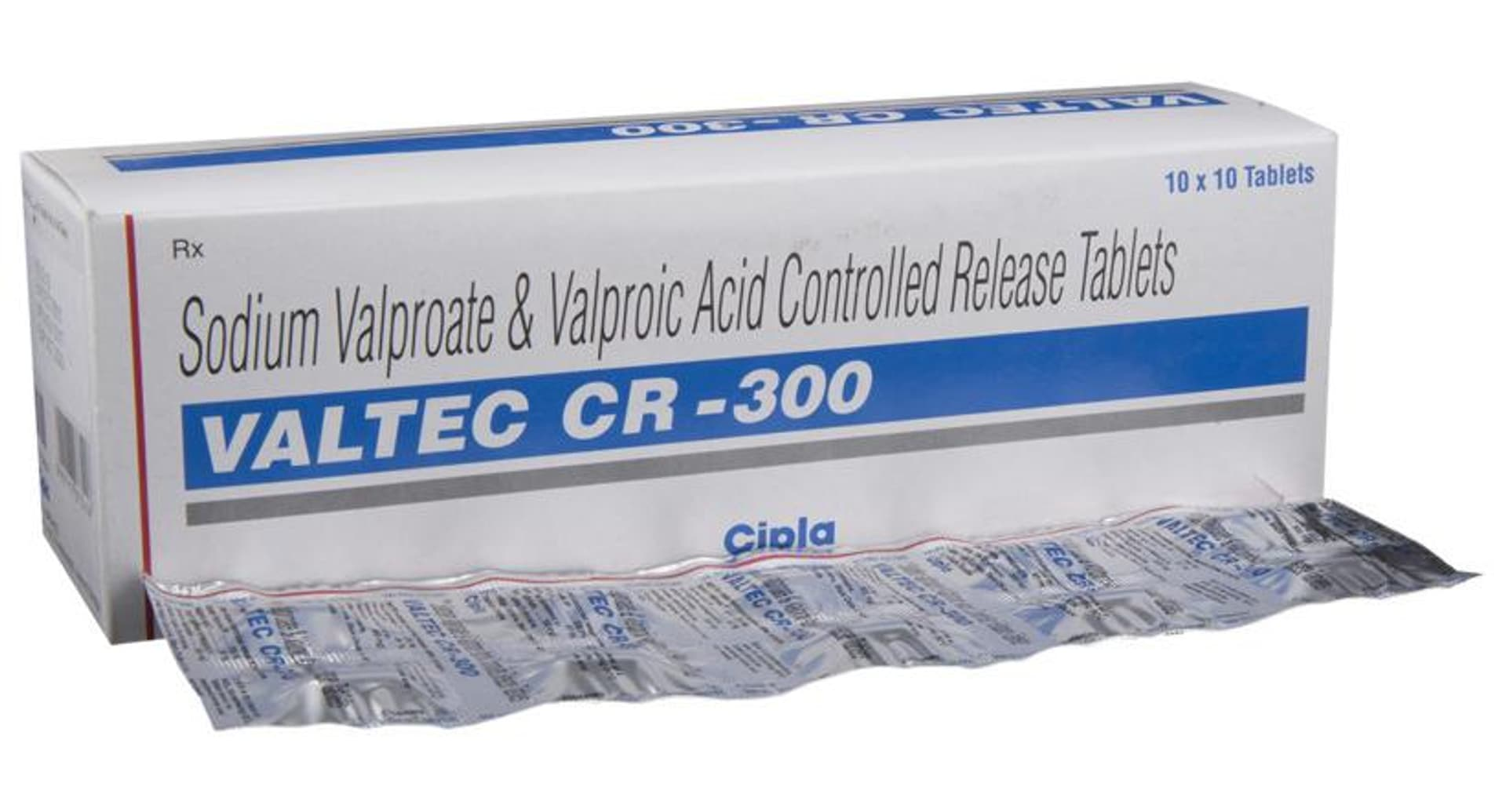
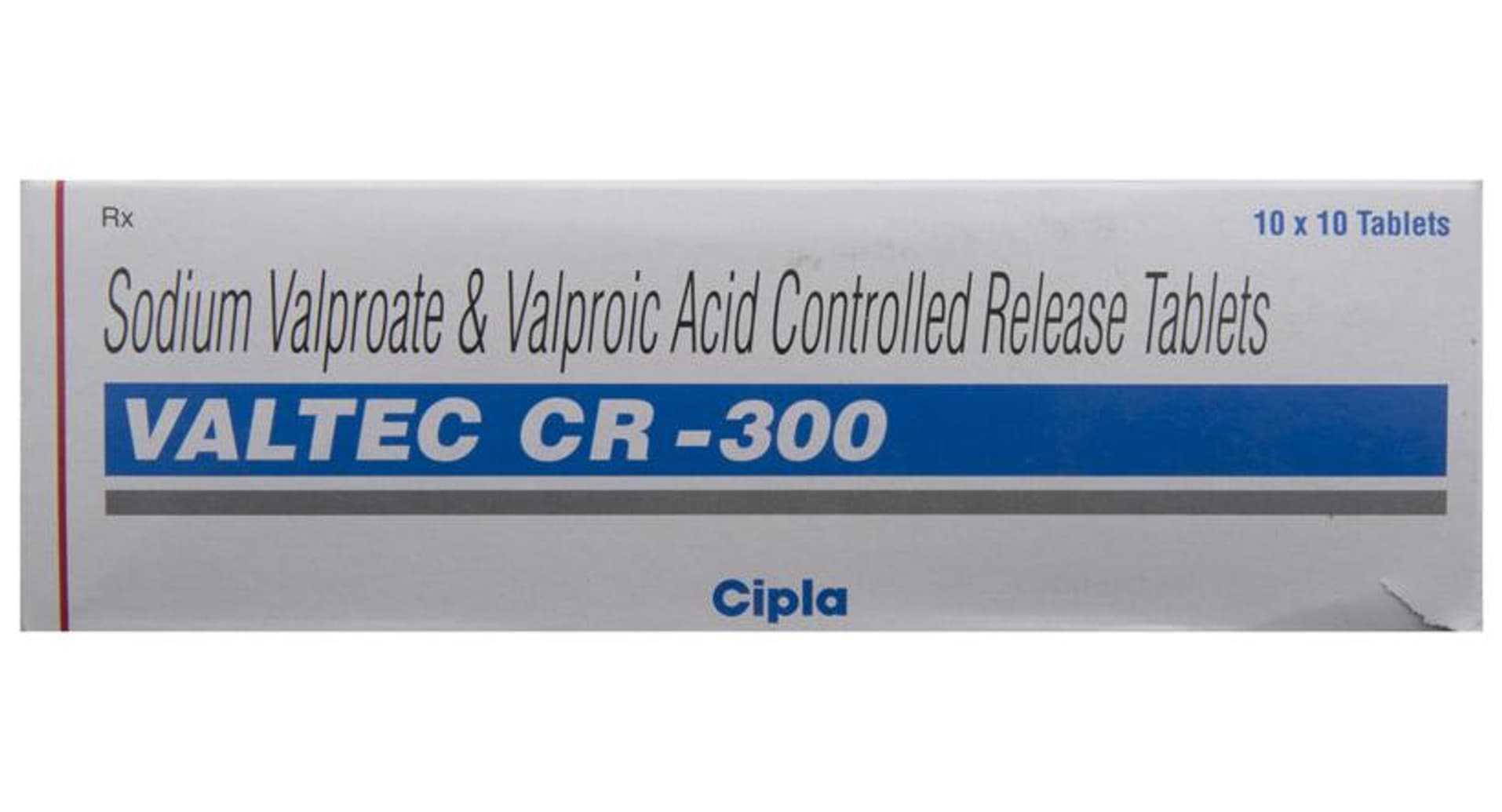
Valtec CR 300 mg Tablet from Cipla is a film-coated controlled-release tablet containing Sodium Valproate IP 200 mg and Valproic Acid IP 87 mg – a pairing that together corresponds to 300 mg of sodium valproate, which is where the number in the name comes from. Valproate is a broad-spectrum anti-epileptic: it raises levels of GABA, the brain’s main calming neurotransmitter, and steadies overexcitable nerve membranes, so the abnormal electrical bursts behind a seizure are less likely to start and less likely to spread. The CR matters as much as the dose.
Key Features
- Sodium Valproate 200 mg + Valproic Acid 87 mg – together equivalent to 300 mg sodium valproate
- Controlled release – steadier blood levels, fewer peak-related side effects
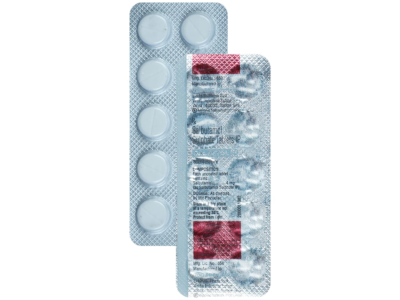
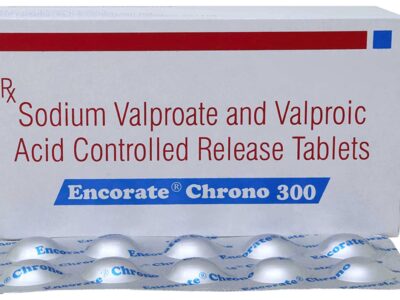
- Strip of 10 film-coated CR tablets from Cipla Ltd.
Composition
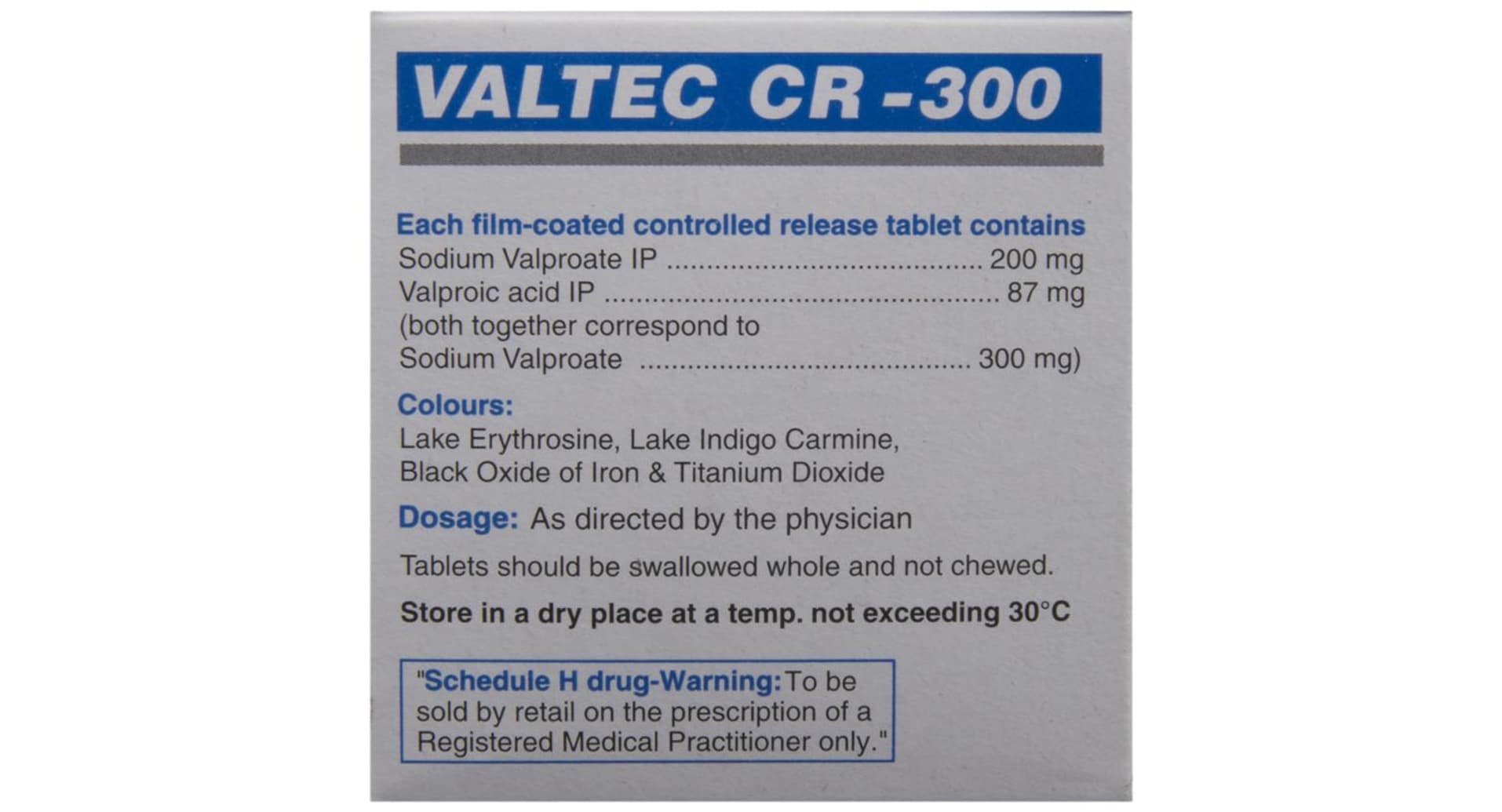
- Sodium Valproate IP – 200 mg
- Valproic Acid IP – 87 mg
- Both together correspond to Sodium Valproate 300 mg per film-coated controlled-release tablet
Uses & Benefits
- Controls generalised, partial and absence seizures in epilepsy
- Works across more seizure types than most single anti-epileptic drugs
- Steadier blood levels through the day than immediate-release valproate
- Often allows once or twice daily dosing instead of three times
- Used by specialists for mania in bipolar disorder
- Also prescribed to prevent migraine attacks in selected patients
Directions for Use
- Take exactly as prescribed – the dose is built up slowly and is individual to you
- Swallow the tablet whole. Never chew, crush or split it – breaking a controlled release tablet dumps the whole dose at once
- Take at the same time each day; with or after food helps if it upsets your stomach
- Never stop suddenly. Abruptly stopping valproate can trigger prolonged, dangerous seizures – any change must be tapered by your doctor
- If you miss a dose, take it when you remember, unless the next is nearly due. Never double up
Precautions
- Valproate must not be used in pregnancy, or by women who could become pregnant unless there is no alternative and a pregnancy prevention programme is in place
- Liver injury is a known risk, mostly in the first six months and highest in very young children. Report vomiting, unusual tiredness, loss of appetite, yellowing of the eyes or skin, or a sudden return of seizures immediately
- Pancreatitis can occur. Severe abdominal pain with vomiting needs urgent assessment
- Blood tests for liver function and blood counts are done before and during treatment – keep every appointment
- Tell your doctor about liver disease, known or suspected mitochondrial disorders, urea cycle disorders, or a family history of them
Storage
- Store in a dry place at a temperature not exceeding 30°C, as printed on the pack
- Keep tablets in the blister until you take them – valproate absorbs moisture readily
- Keep out of reach of children
Disclaimer
Schedule H drug – to be sold by retail on the prescription of a Registered Medical Practitioner only. This information is for general awareness and is not a substitute for professional medical advice, diagnosis or treatment. Epilepsy treatment must be started, adjusted, and stopped only by your treating doctor; never alter the dose or switch between valproate products on your own.



Reviews
There are no reviews yet.