










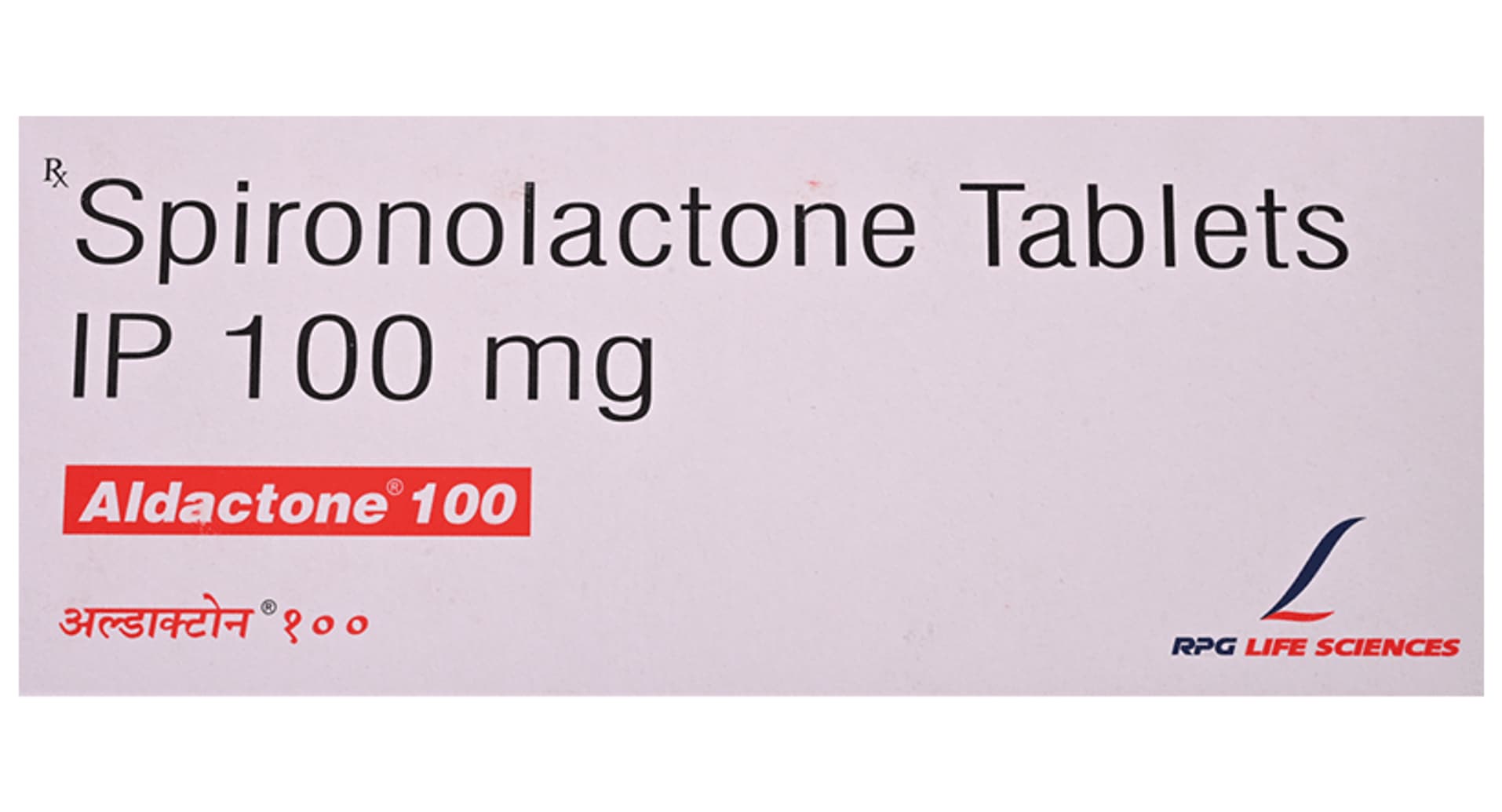
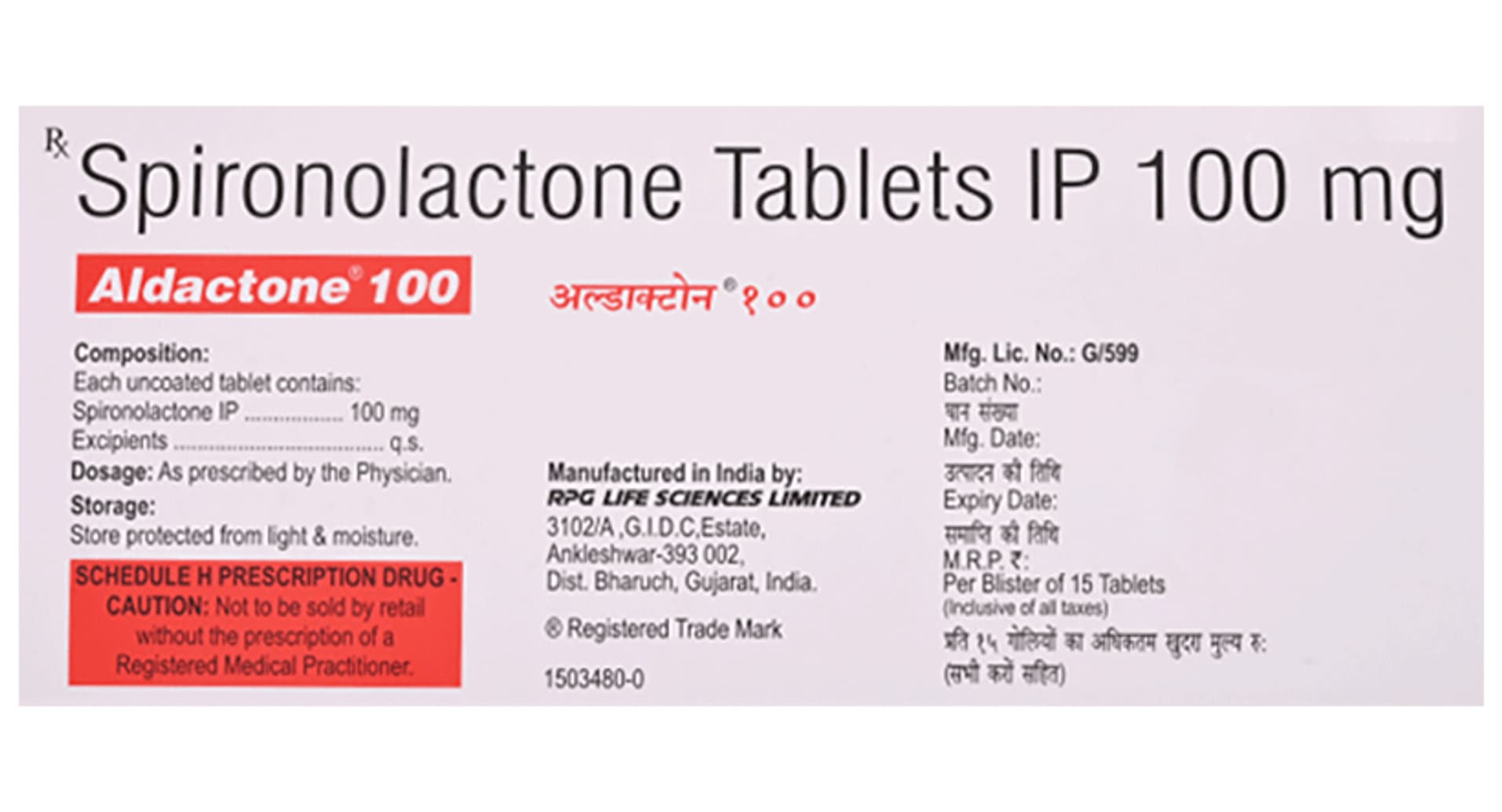
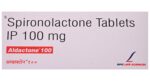

Aldactone 100 Tablet – Spironolactone 100mg for Fluid Retention & Blood Pressure
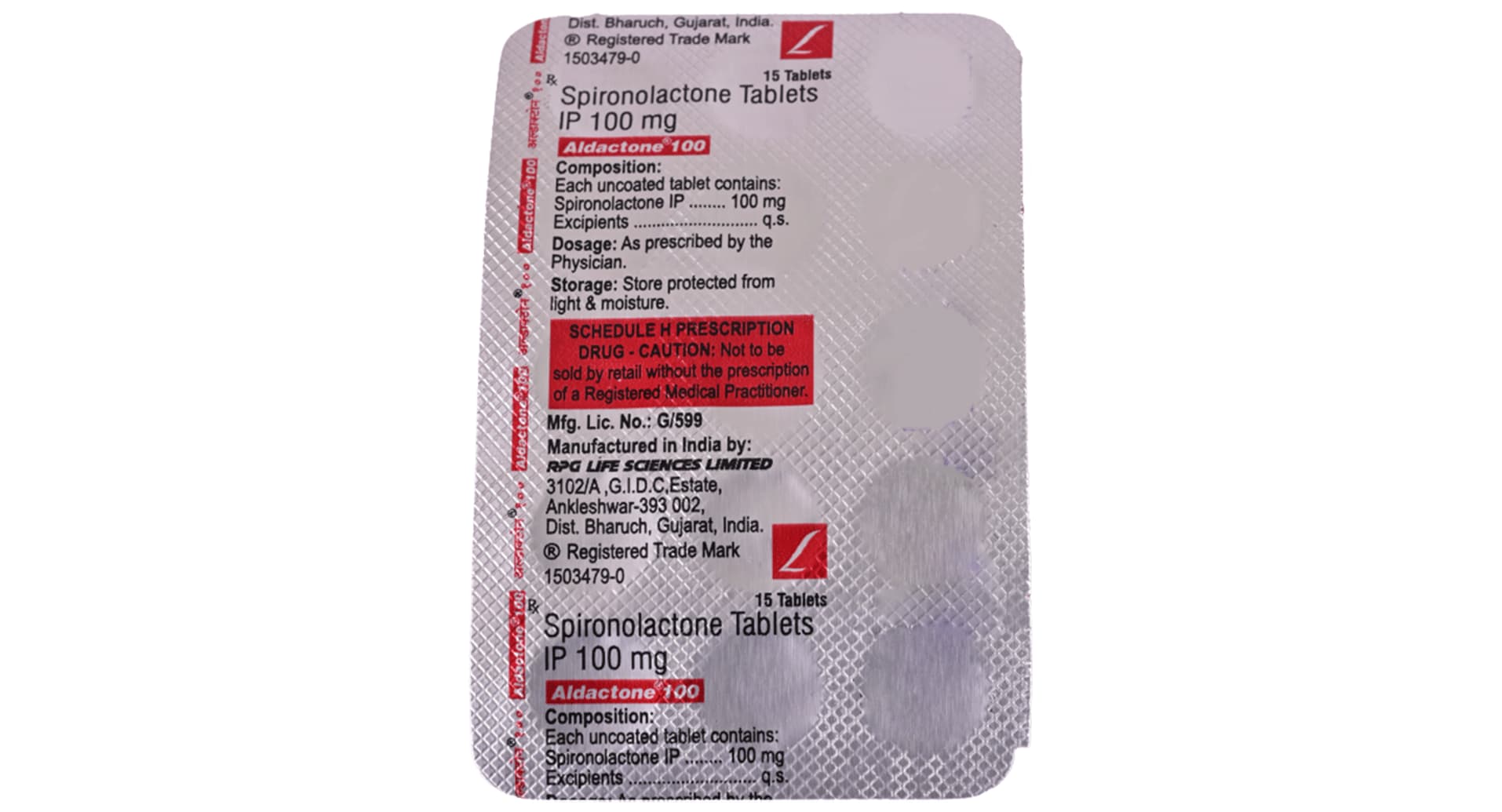
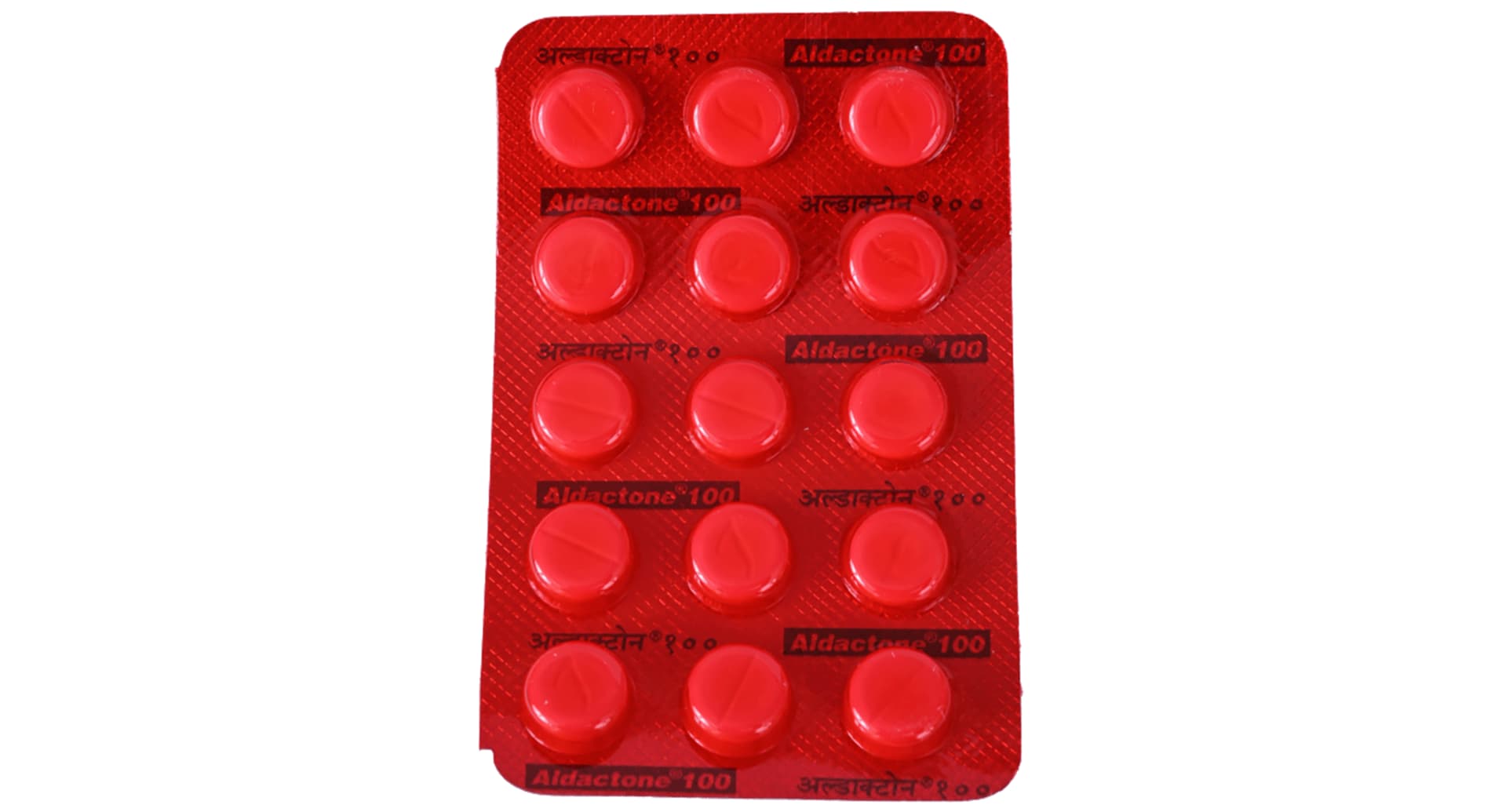
Aldactone 100 Tablet is a higher-strength formulation of the well-established potassium-sparing diuretic Spironolactone, containing 100 mg per tablet and manufactured by RPG Life Sciences Ltd. It is prescribed for the management of significant fluid retention (edema) associated with congestive heart failure, liver cirrhosis with ascites, and nephrotic syndrome, and is also used, either alone or in combination with other antihypertensives, in the treatment of high blood pressure. This higher dose is typically reserved for patients who need a stronger diuretic effect than lower-strength tablets provide, or who are being treated for conditions such as primary hyperaldosteronism, where the adrenal glands overproduce the hormone aldosterone. Unlike many diuretics that cause the body to lose potassium along with excess fluid, Spironolactone helps the kidneys retain potassium while still promoting the elimination of excess sodium and water, making it especially useful for long-term therapy in patients prone to low potassium levels. Aldactone 100 is a Schedule H prescription medicine and should only be used in the exact dose and duration advised by a physician, with regular monitoring of blood potassium and kidney function throughout treatment. Each strip contains 15 tablets.
Key Features
- Contains Spironolactone 100 mg, a higher-strength potassium-sparing diuretic
- Manufactured by RPG Life Sciences Ltd, a trusted Indian pharmaceutical company
- Suited for patients needing a stronger diuretic effect than lower-dose tablets
- Used in heart failure, liver cirrhosis with ascites, and resistant hypertension
- Prescription medicine – Schedule H drug, strip of 15 tablets
Composition
- Spironolactone IP – 100 mg
Refer to the pack label for the complete list of excipients.
How Aldactone 100 Tablet Works
Aldactone 100 Tablet works by blocking the action of aldosterone, a hormone produced by the adrenal glands that signals the kidneys to retain sodium and water while excreting potassium. By blocking aldosterone’s effect at the kidney tubules, Spironolactone increases the excretion of sodium and water – reducing fluid buildup and helping to lower blood pressure – while at the same time limiting the loss of potassium. At the 100 mg strength, this effect is more pronounced, which is why this dose is generally reserved for more significant fluid overload or for conditions like primary hyperaldosteronism that require a stronger blockade of aldosterone activity. This mechanism distinguishes Spironolactone from diuretics that work through different pathways and tend to deplete potassium levels.
Uses & Benefits
- Effective management of significant fluid retention (edema) in heart failure
- Helps control ascites and fluid buildup caused by liver cirrhosis
- Used in the management of nephrotic syndrome-related edema
- Supports blood pressure control, particularly in resistant hypertension
- Helps treat primary hyperaldosteronism by blocking excess aldosterone activity
- Reduces fluid retention while helping preserve normal potassium levels
Directions for Use
- Take exactly as prescribed by your doctor, in the dose and duration advised
- Preferably take with food to improve absorption and reduce stomach upset
- Swallow the tablet whole with a glass of water – do not crush or chew unless advised
- Take at the same time each day to maintain consistent fluid and blood pressure control
- Do not stop taking this medicine suddenly without consulting your doctor, even if you feel well
Safety Advice
- Alcohol – Avoid or limit alcohol, as it may increase dizziness and lower blood pressure further.
- Pregnancy – Consult your doctor before use; Spironolactone should be used only if clearly needed during pregnancy.
- Breastfeeding – Consult your doctor before use while breastfeeding.
- Driving – May cause dizziness or lightheadedness, especially when starting treatment; avoid driving until you know how it affects you.
- Kidney – Use with caution; regular monitoring of kidney function and blood potassium is essential, and it is not recommended in significant kidney impairment.
- Liver – Use with caution in patients with liver disease; your doctor will monitor you closely, especially in cirrhosis with ascites.
Precautions
- This is a Schedule H prescription medicine – use only as advised by your doctor
- Regular blood tests to monitor potassium and kidney function are essential during treatment, particularly at this higher strength
- Avoid potassium supplements or salt substitutes containing potassium unless specifically advised by your doctor
- Common side effects include nausea, stomach upset, headache, dizziness, and breast tenderness or enlargement in men – discuss any persistent effects with your doctor
- Inform your doctor of all other medicines you take, particularly other diuretics, ACE inhibitors, or potassium supplements, as interactions can raise potassium to unsafe levels
- Seek urgent medical attention for muscle weakness, irregular heartbeat, tingling, or confusion, which may indicate high potassium levels
- Rise slowly from sitting or lying down to reduce the risk of dizziness from a drop in blood pressure
Storage
- Store below 30°C in a cool, dry place
- Protect from moisture and direct sunlight
- Keep out of reach and sight of children
Frequently Asked Questions
Q: What is Aldactone 100 Tablet used for?
It is used to manage significant fluid retention in heart failure, liver cirrhosis, and nephrotic syndrome, and is also used to help control high blood pressure, particularly when a stronger diuretic effect is needed.
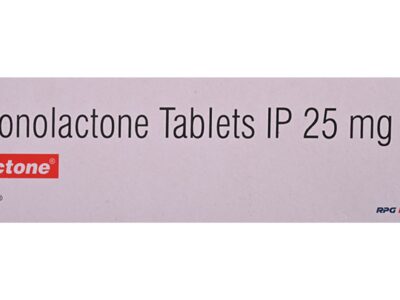
Q: How is Aldactone 100 different from the 25mg tablet?
It contains a higher dose of the same active ingredient, Spironolactone, and is generally prescribed when a stronger diuretic or anti-aldosterone effect is required.
Q: Can I take potassium supplements with Aldactone 100?
No, avoid potassium supplements or salt substitutes containing potassium unless your doctor specifically advises it, as this can raise potassium to unsafe levels.
Q: Is a prescription required?
Yes, this is a Schedule H prescription medicine and should only be used under medical supervision with periodic blood monitoring.
This is a prescription medicine. This information is for general awareness and is not a substitute for professional medical advice, diagnosis or treatment. Please consult your doctor before use.




Reviews
There are no reviews yet.